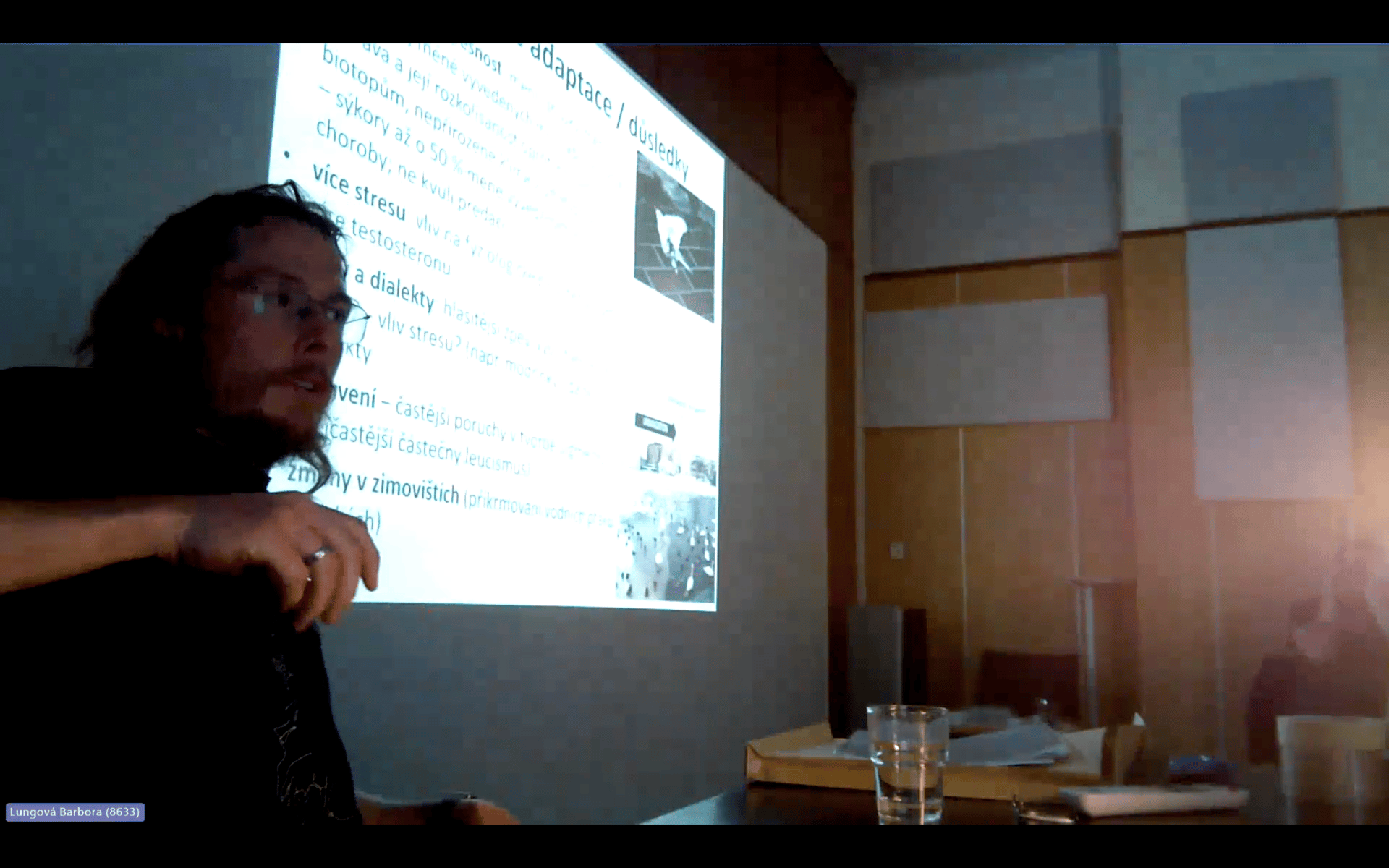
Barbora Lungová - presentation of the symposium
Barbora Lungová, Introduction to the panel
Mgr. et MgA. Barbora Lungová is a visual artist active in the medium of painting through a queer and feminist lens; however, in recent years, she has been interested in environmental aspects of art as well. Her focus is on vegetation, botanical philosophy, horticulture (urban gardening in the context of right to the city, cultural imaginary of ornamental plants), and queer ecologies. At present, she is finishing her Ph.D. at AFAD Bratislava.
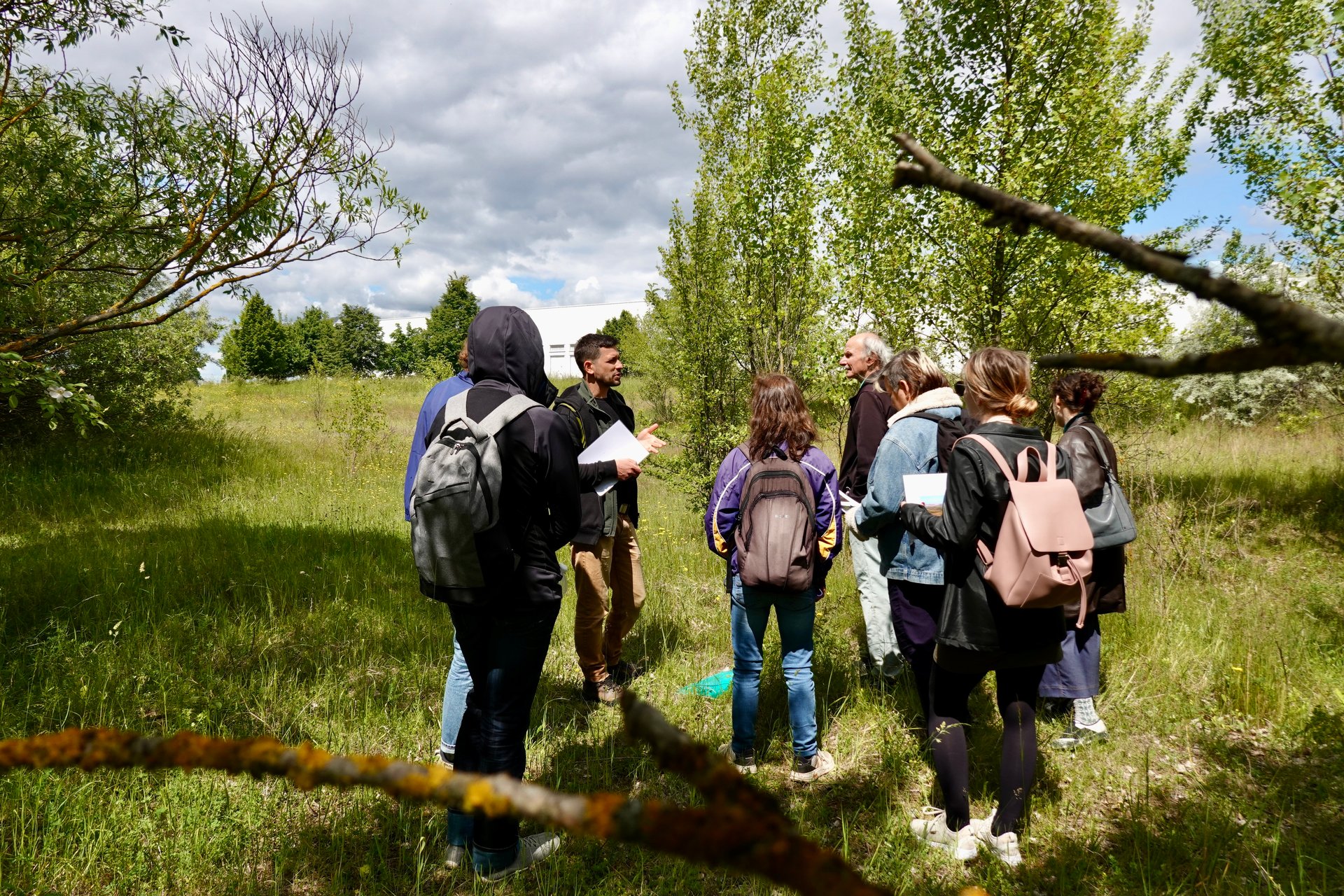
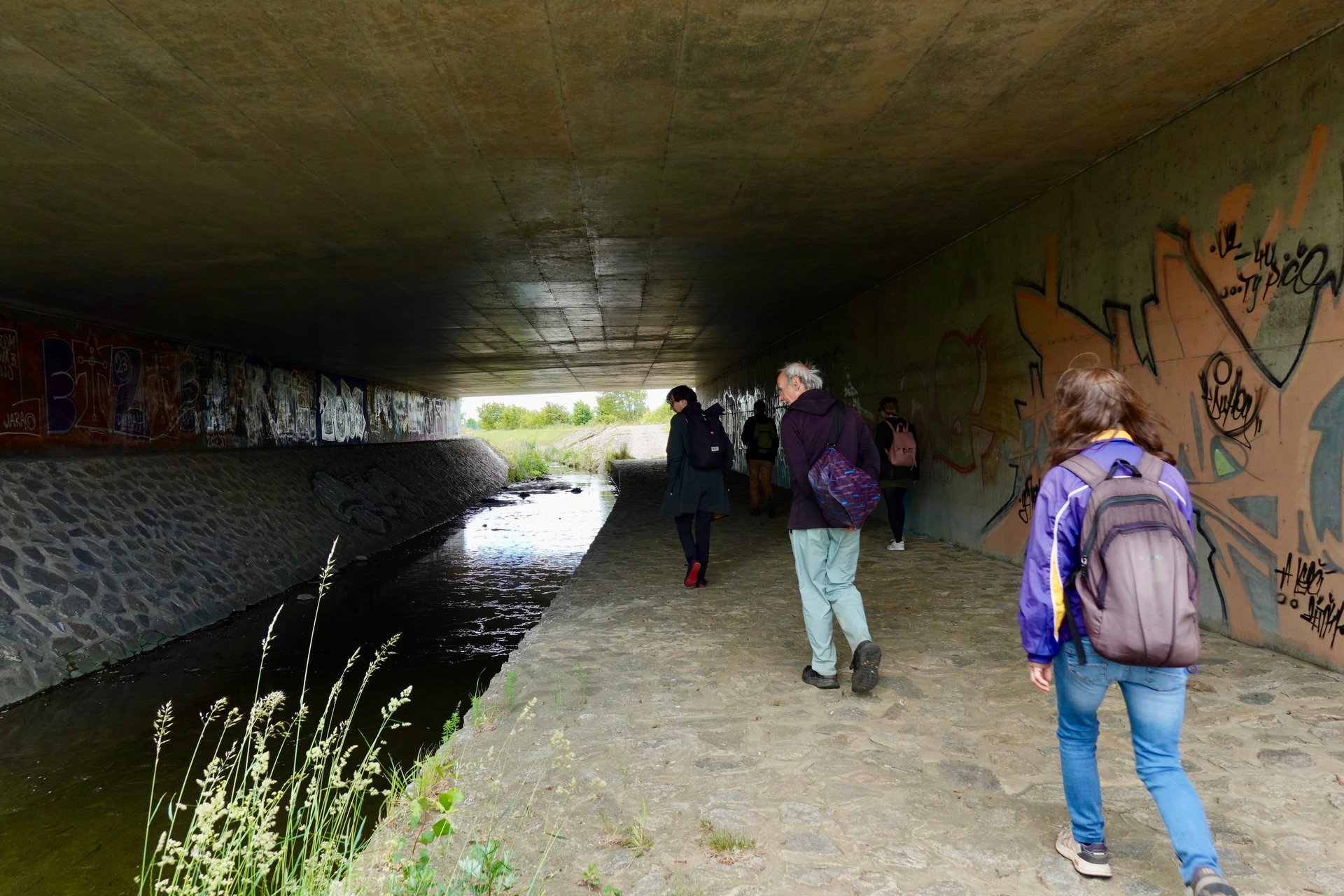
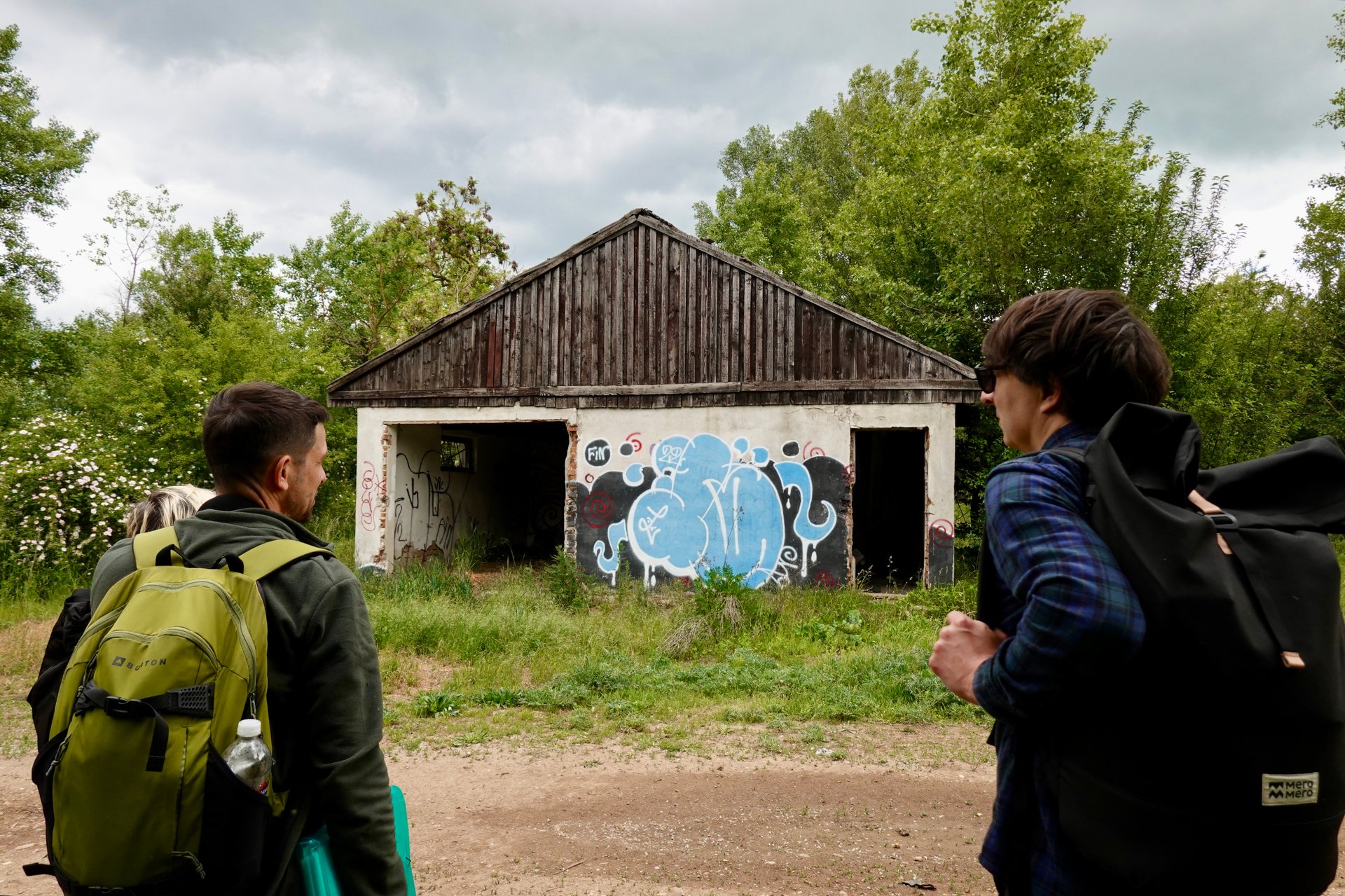
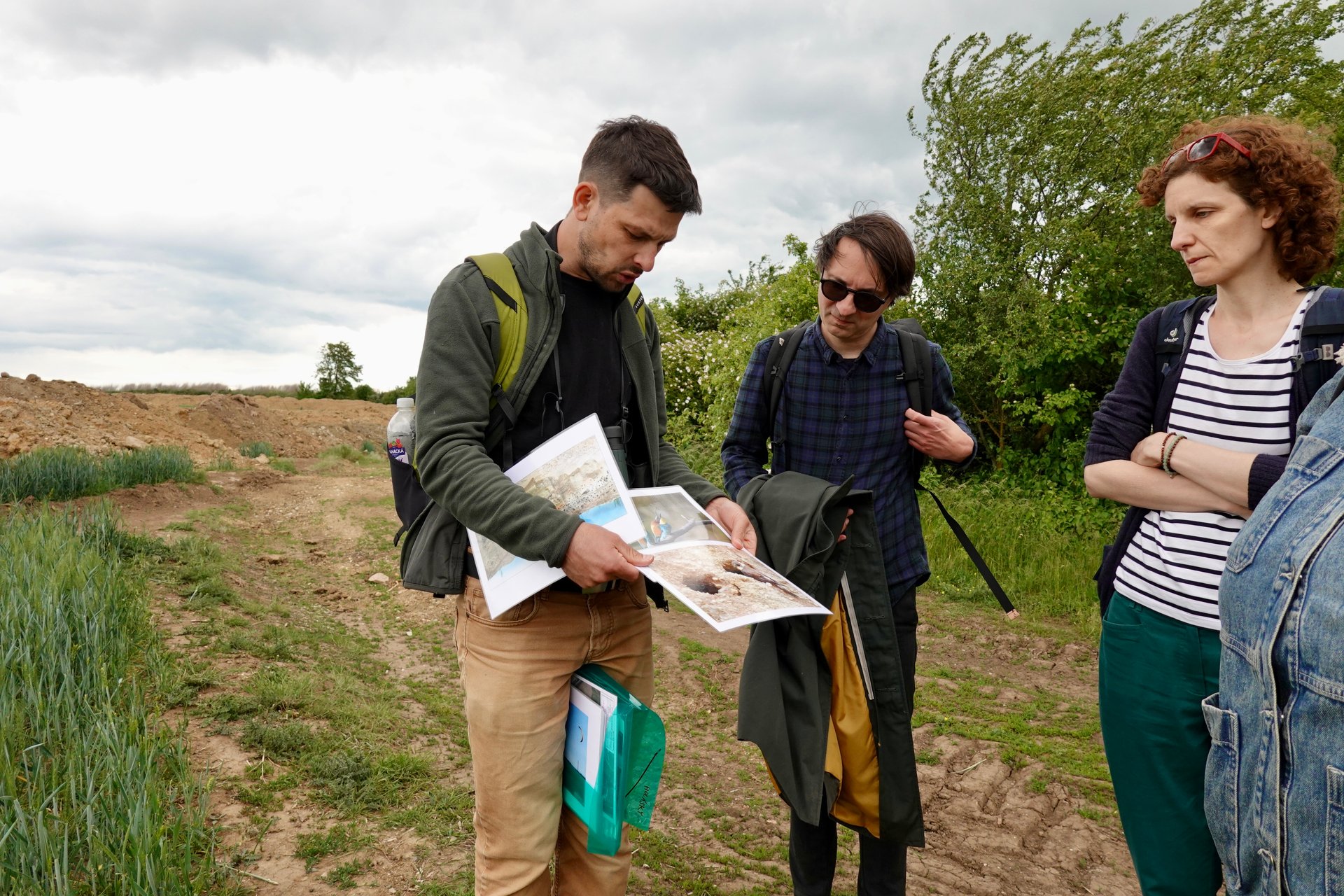
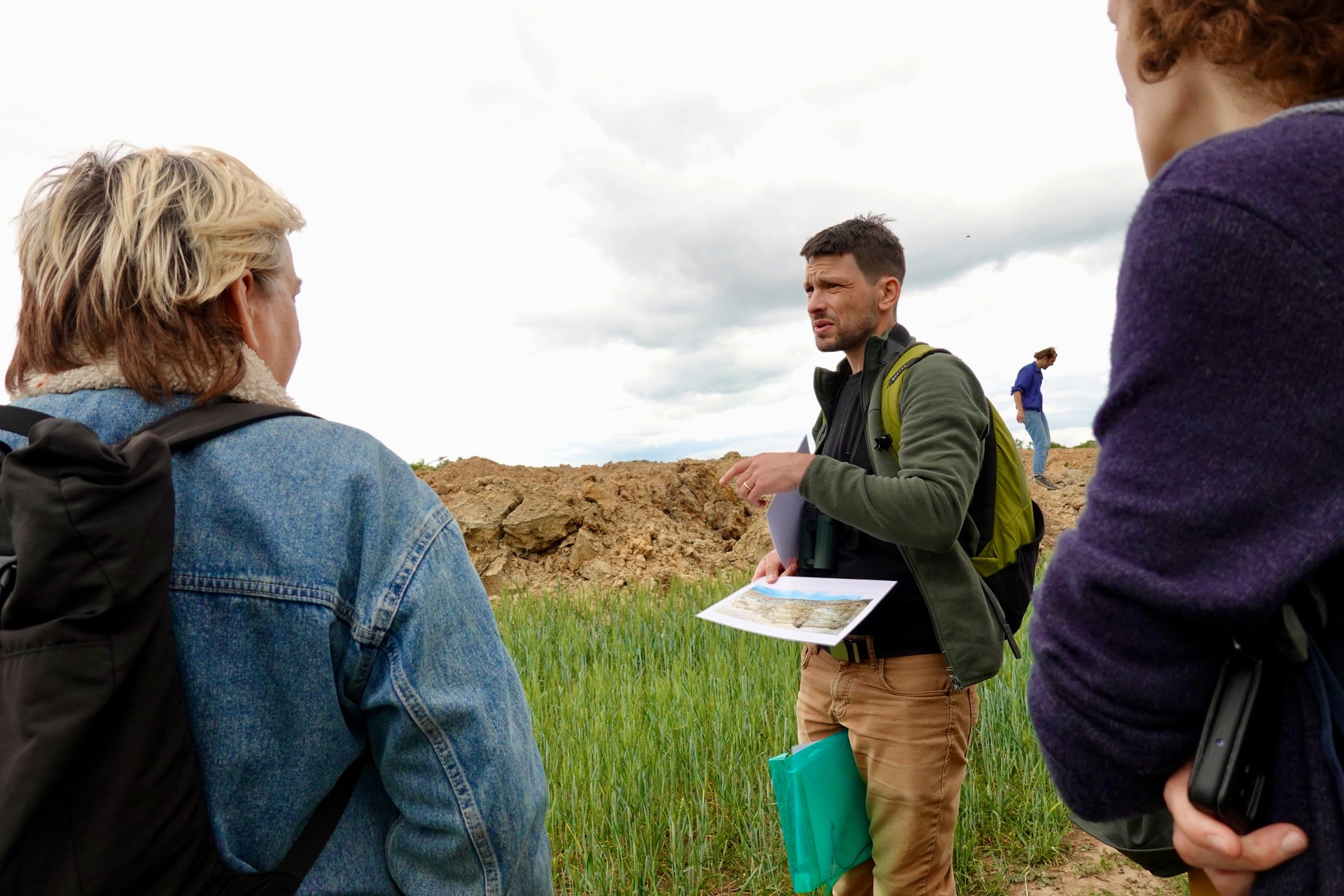
Vilém Jurek, Rezekvítek - Field trip to Černovice sand quarry
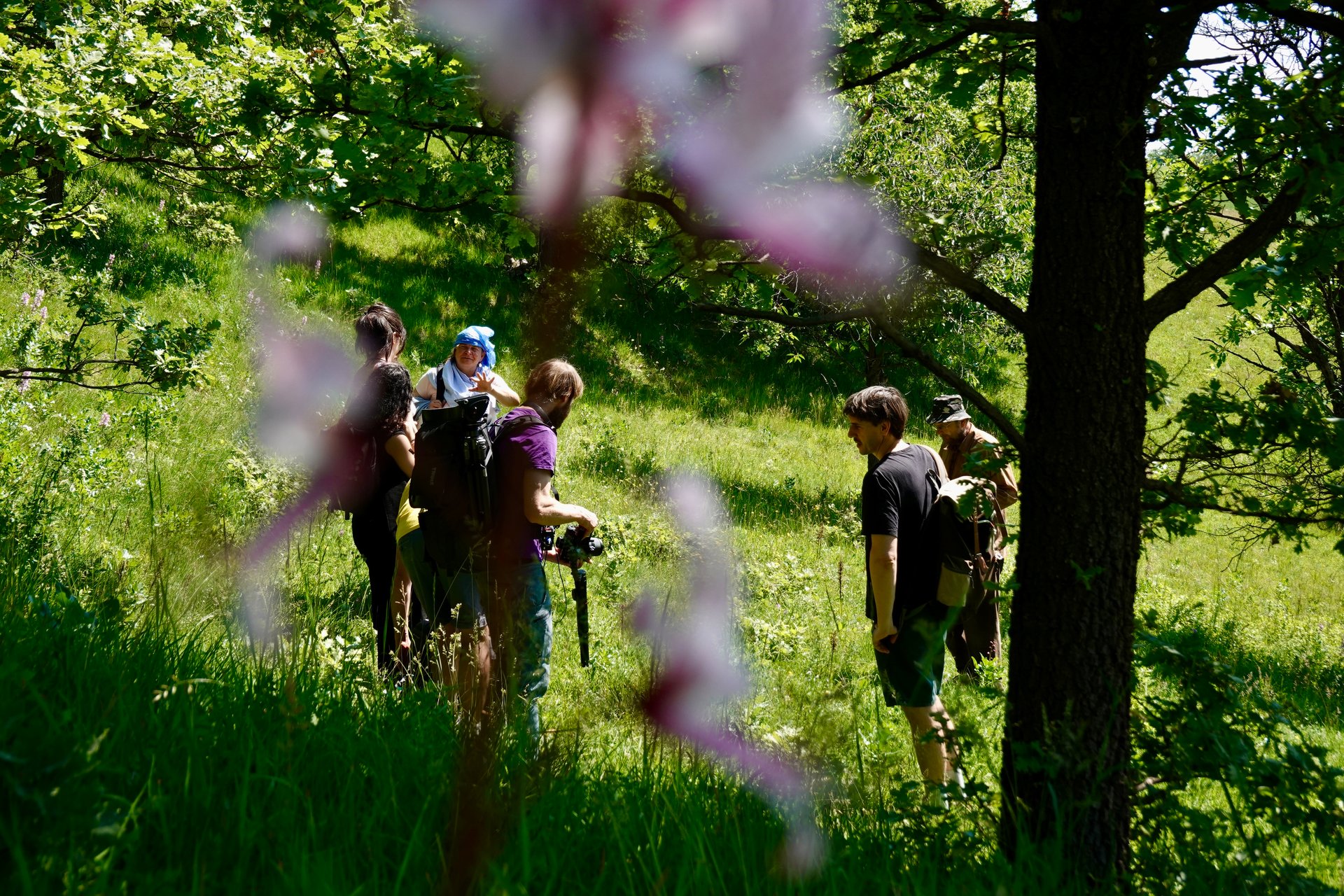
Ing. Vilém Jurek studied landscape engineering at the Faculty of Forestry of Mendel University in Brno. He has been a long-term supervisor of the habitat management division of the Rezekvítek NGO where he has been instrumental in making the organisation known on a nation-wide scale. Since 2020, he has been active in the ONYX local branch of the Czech Union of Nature Conservation on the implementation of two LIFE projects. He is an authorised expert in evaluation of nature and landscape management. Ing. Jurek will guide a tour to the important ornithological post-industrial site of Černovice sand quarry.
Kitti Gosztola, Bence Pálinkás (Wild Garden Utopia)
The artists presented their long-term project Wild Garden Utopia. This project is a botanical sci-fi about a future based on our contemporary anxieties about the Japanese knotweed, and its Japanese origin and early European history. Kitti Gosztola and Bence György Pálinkás have been working together since 2016 on projects that focus on the perception and representation of the so-called invasive alien species. Their workshops, installations, videos, and audio works tell stories of green xenophobia, eco-patriotism, the various notions of utility and ways of coexistence. They have worked with institutions and organisations such as the Volkskundemuseum in Vienna, the Kunsthalle in Bratislava, the Hungarian, Slovakian and Romanian tranzit.org institutions, and the Art Encounters biennale in Timișoara, the DYSTOPIE sound art festival in Berlin.
Kitty Gosztola, MFA, Ph.D. (HU) graduated from the Hungarian University of Fine Arts in 2012 Arts in Budapest, where she also obtained her PhD. She focuses on aesthetics and politics of the natural sciences, ranging from material solutions to archival research and collaborative projects. In recent years, her work has been exhibited in a number of institutions, MSUB in Belgrade, Trafó Gallery and Ludwig Museum – Museum of Contemporary Art in Budapest. She is represented by Kisterem Gallery in Budapest.
Bence György Pálinkás, MFA., Ph.D. (HU) works mainly on collaborative art projects, runs experimental courses in public education and creates post-dramatic theatre. He studied for his PhD at the Hungarian University of Fine Arts, was a visiting researcher at the Slade School of Fine Art, UCL and a recipient of a research grant from the Peter und Irene Ludwig Stiftung. His work has recently been presented at festivals and projects such as Wiener Festwochen, Austria (Singing Youth), Kunsthalle Bratislava, Slovakia (Wild Garden Utopia), Konträr, Stockholm, Sweden (Hungarian Acacia).
Trajna + Ivana Papić - Invasive plants as agents of regeneration: creative practices for local communities
The talk "Invasive Plants as Agents of Regeneration: Creative Practices for Local Communities" explored situated engagement with invasive plants through Ivana's artistic initiatives, Creative Laboratory Krater and Notweed Paper.
Trajna is a cultural association, founded by Gaja Mežnarić Osole and Andrej Koruza, whose creative work explores the intersection of design and ecology. They pioneer innovative approaches to invasive plants, such as Notweed Paper, which repurposes Japanese knotweed biomass into sustainable paper. In 2020, Trajna launched Creative Laboratory Krater, an 18,000 m² rewilded construction site in Ljubljana that hosts cultural and ecological initiatives spanning biomaterial and biodiversity co-production, situated advocacy and urgent pedagogical work.
Ivana Papić is a Croatian multimedia artist-researcher and educator based in Berlin. She holds master's degrees in restoration (University of Split, 2011) and Art in Context (UdK Berlin, 2022). Using video, sound, and objects, she creates poetic installations to engage audiences. Since 2021, her research has focused on invasive plants, particularly the Tree of Heaven. In the series Wild Walnut, she explores her female heritage through five senses, questioning contemporary concepts of identity and belonging.
Tomáš Hrůza - Hen and crude oil (Ždánice Forest hills)
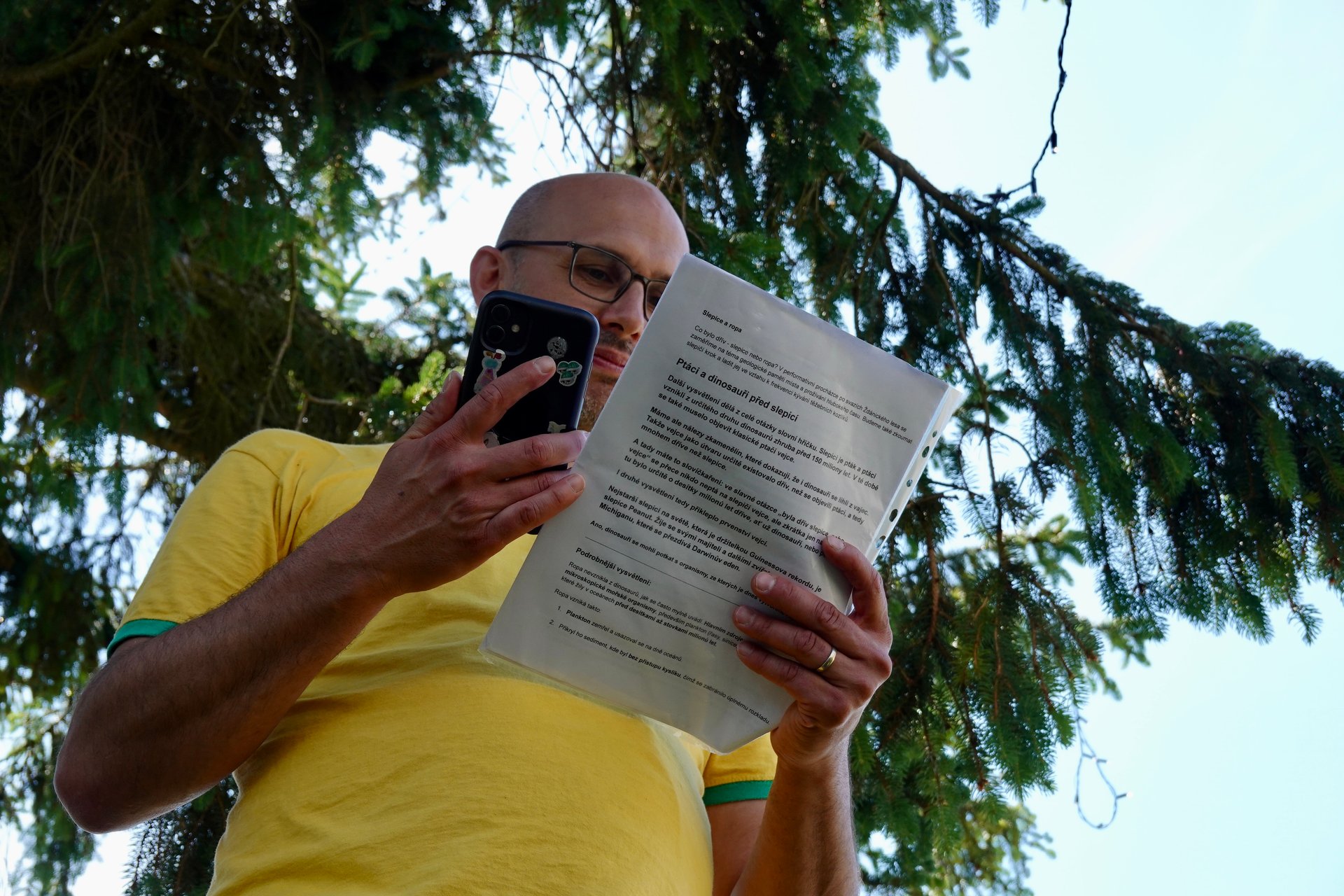
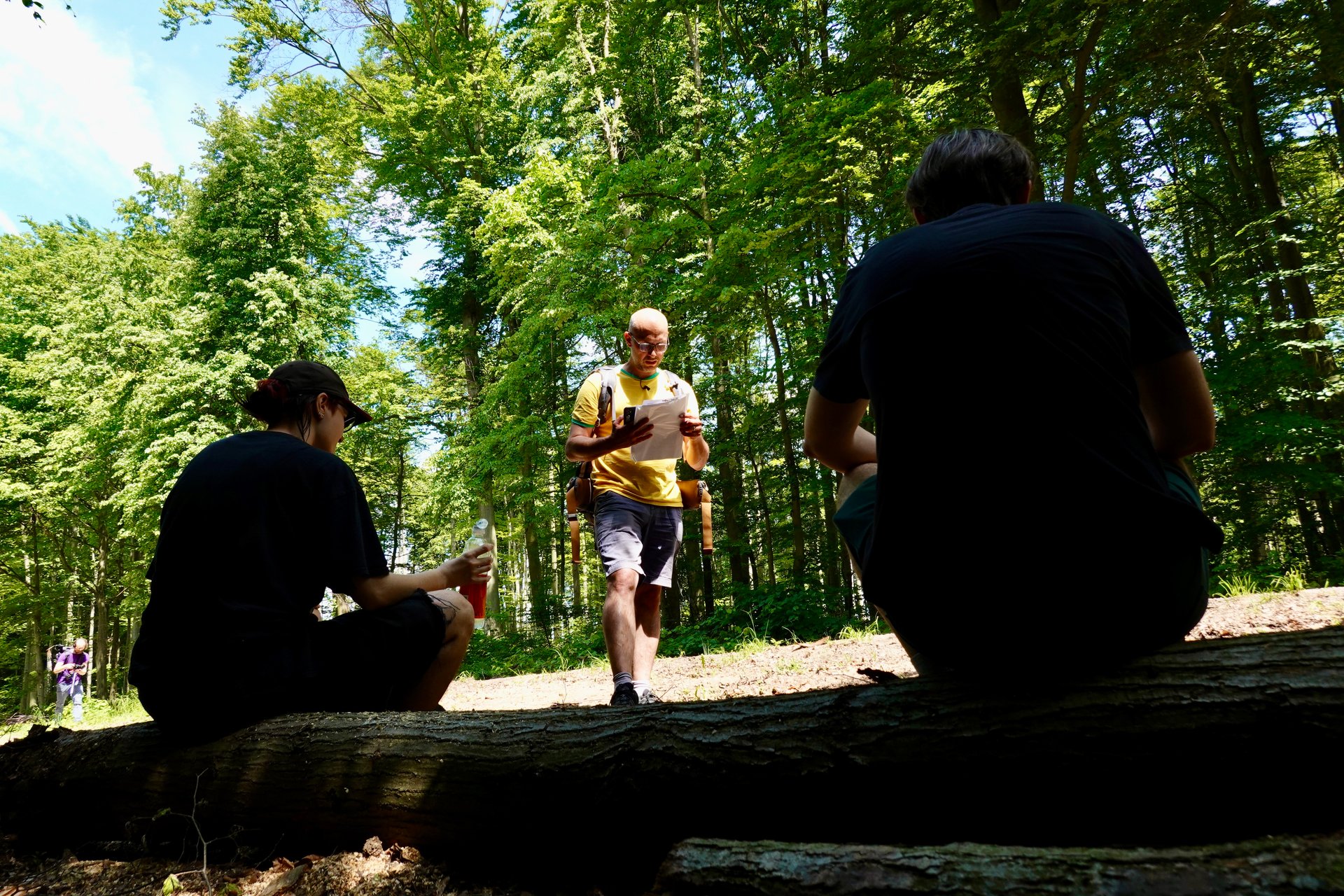
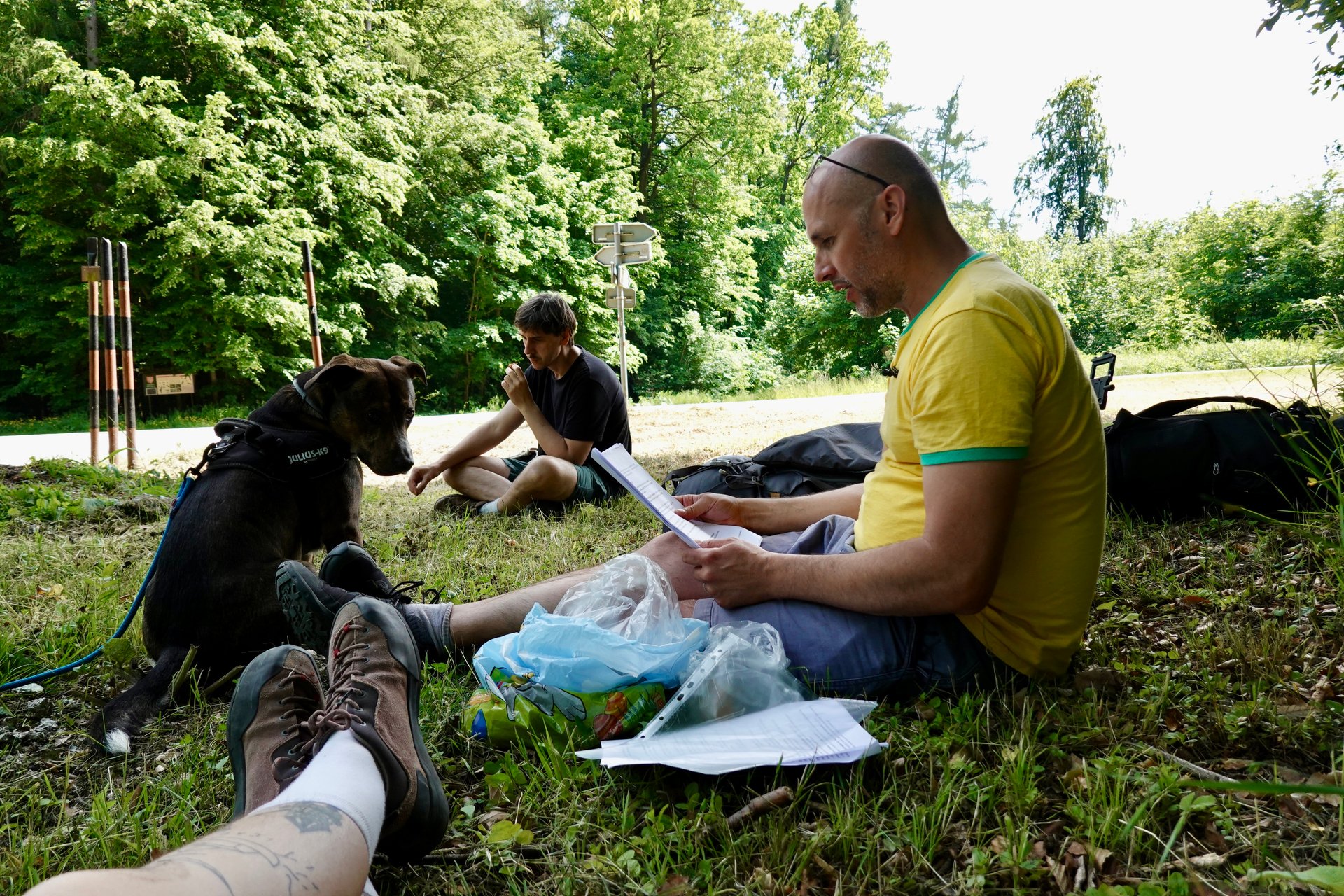
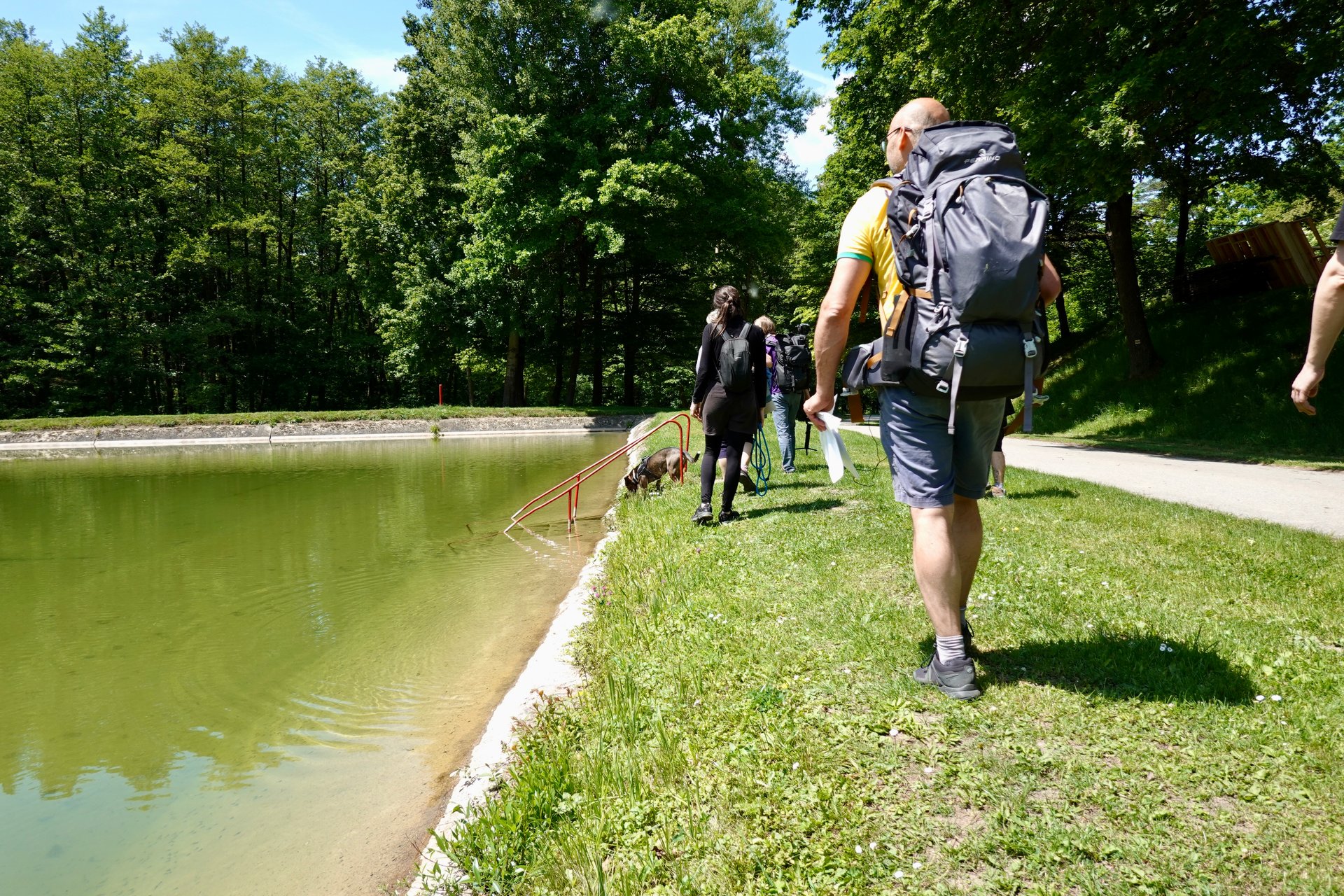
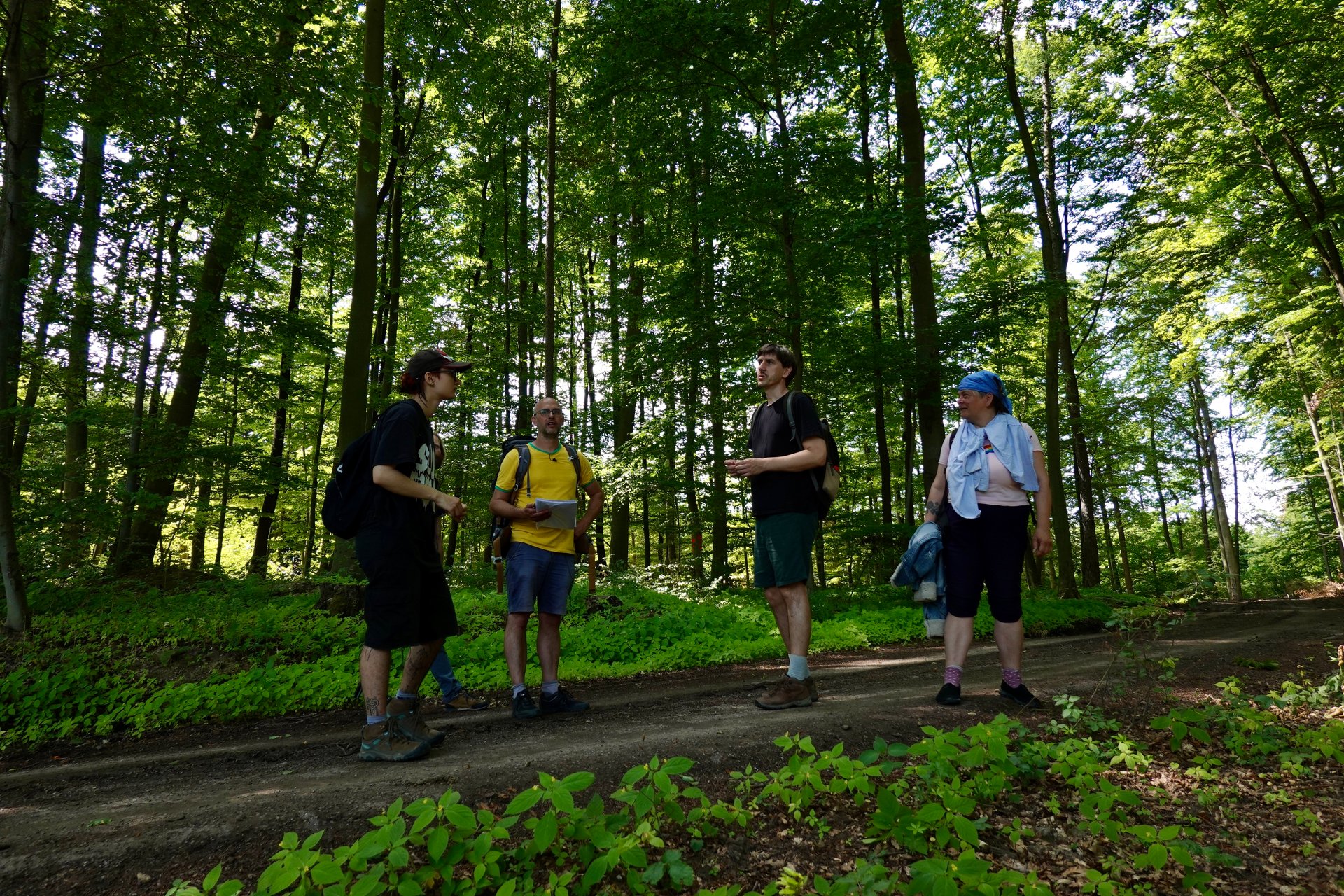
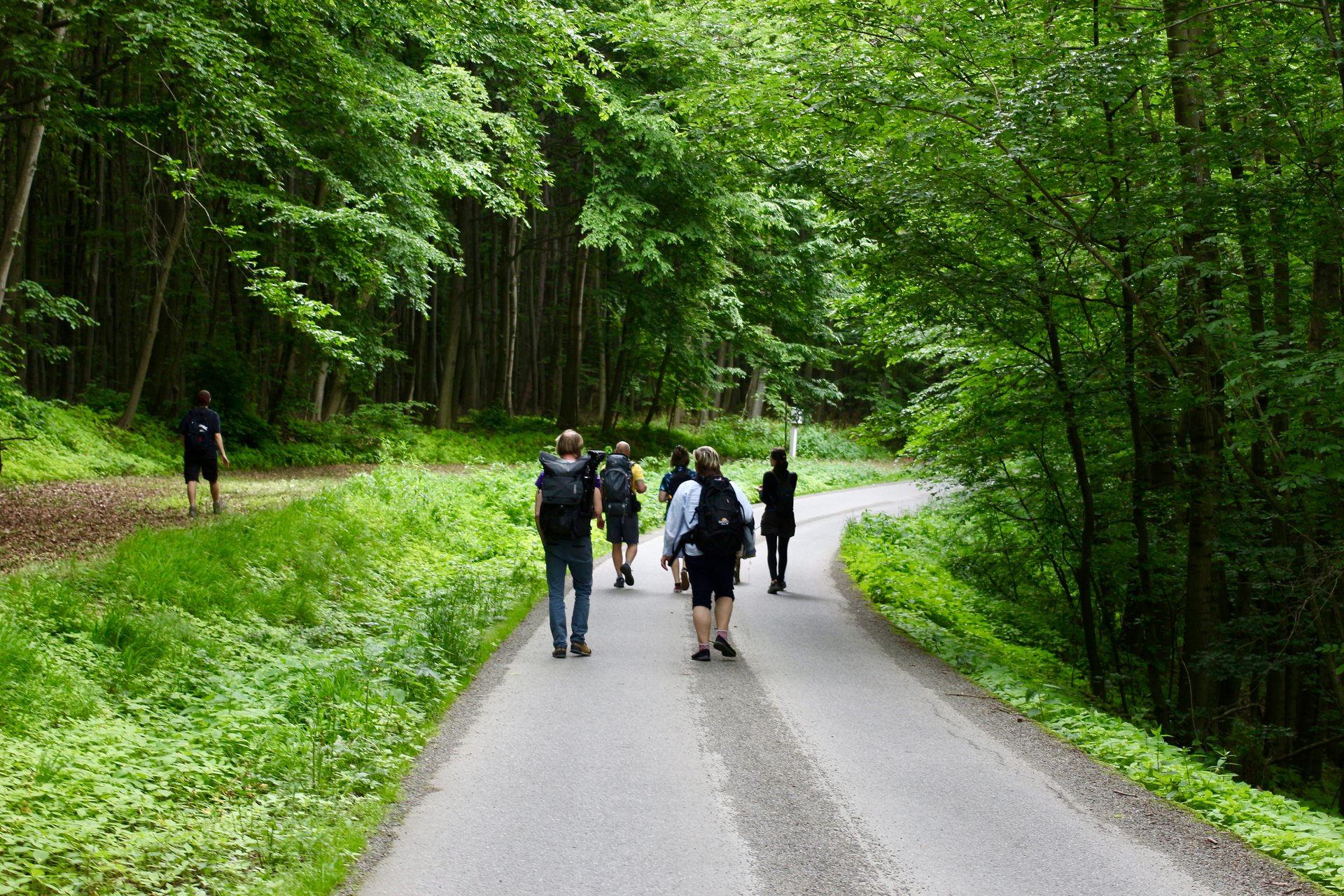
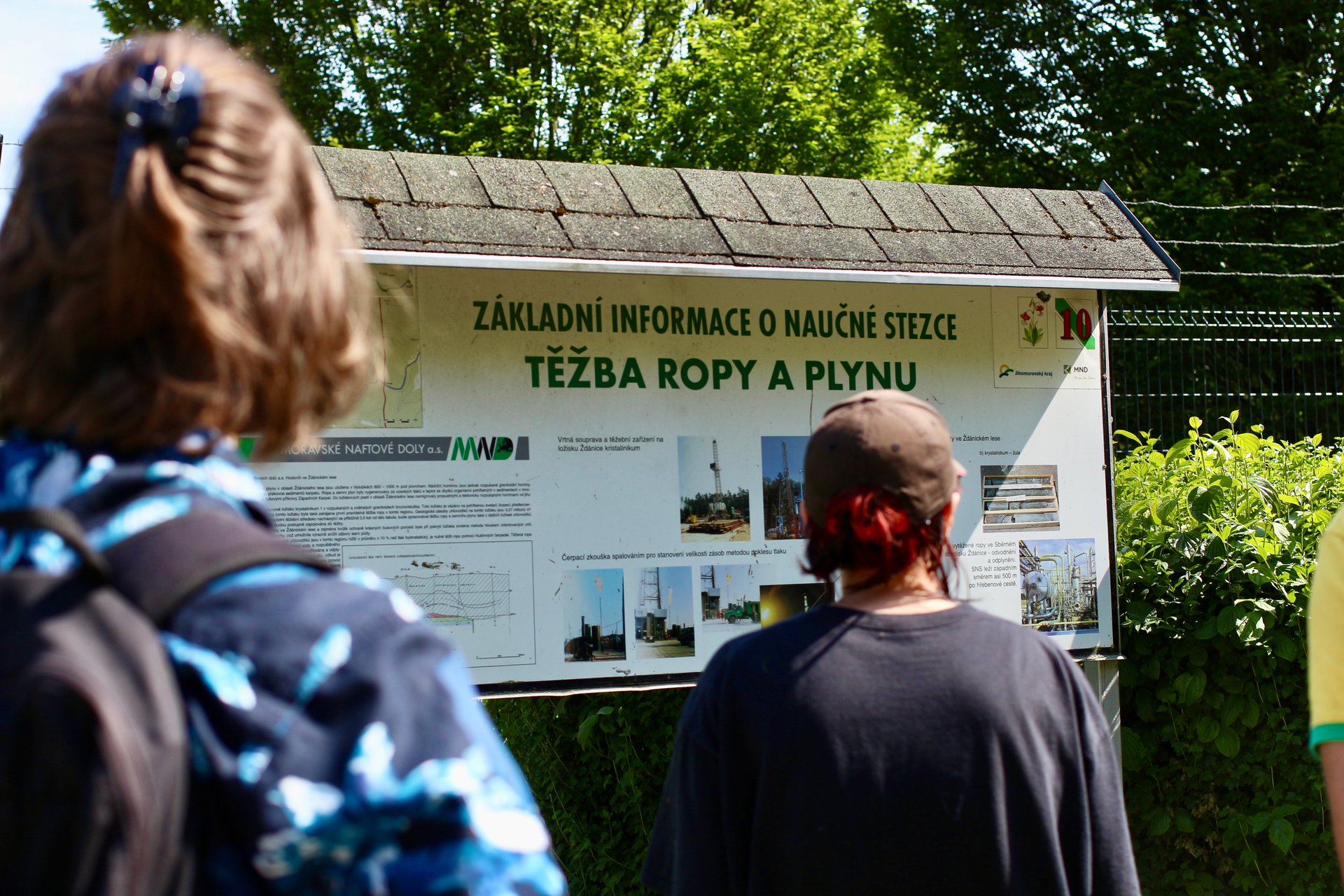
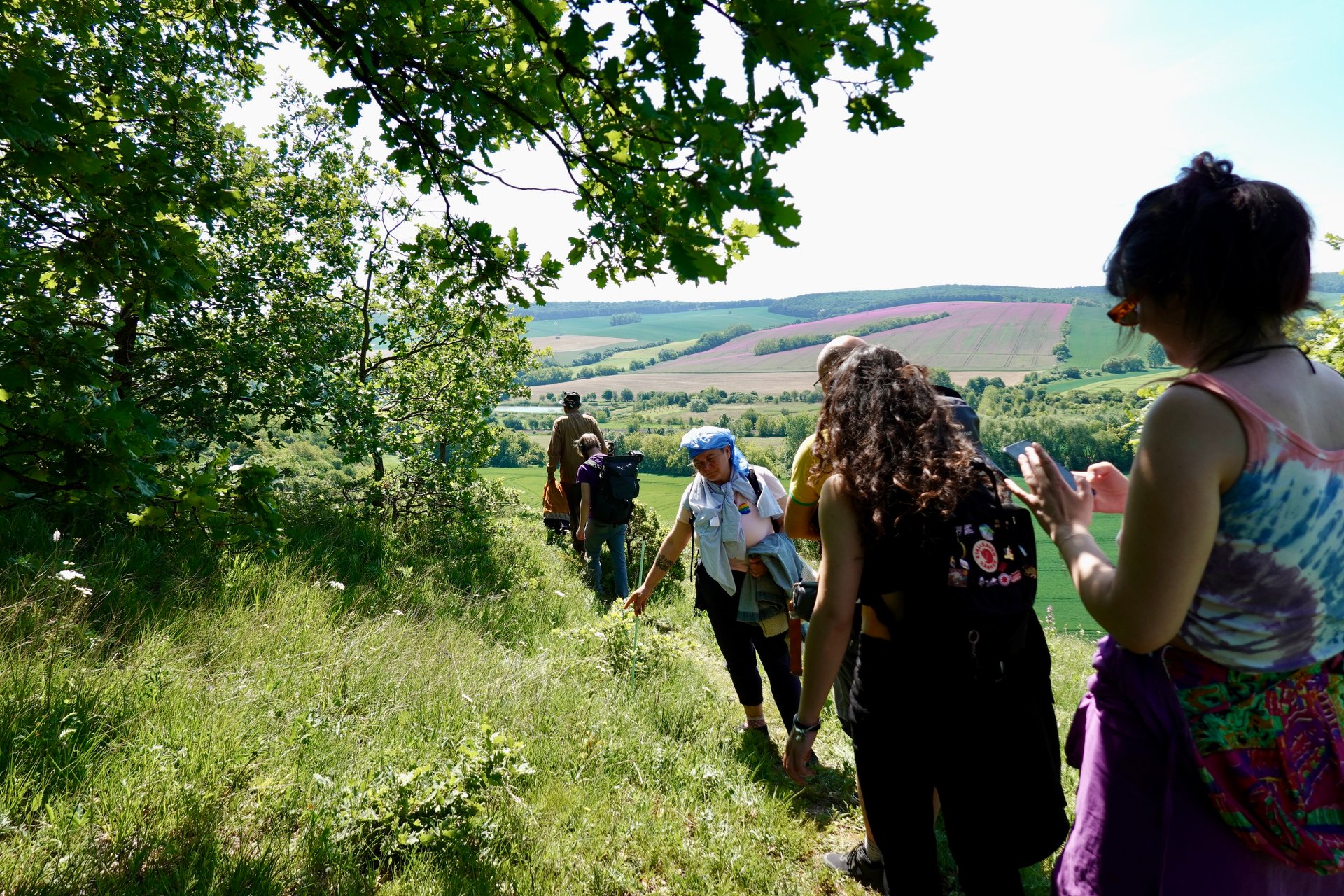
Workshop with Tomáš Hrůza: Hen and Crude Oil: what existed first? In a performative walk along the hills of the Ždánice forest, we will focus on the topic of geological memory of the place and of deep time sensations. We are going to explore hen steps and tune them with the frequency of the pendulums of the oil derricks.
MgA. Tomáš Hrůza was born in Klatovy. He works in Prague and in the village of Miřenice in the Southwest Bohemia. He has obtained an MFA at the Faculty of Art and Design of the Universtiy of Jan Evangelista Purkyně in Ústí nad Labem. He is one of the founders of the Fotograf 07 platform and the Artmapa independent cultural information platform and publishing house. Together with Jiří Zemánek, he has organized the “Pilgrim - Wandering University of Nature” program devoted to the topics of revisioning the relationship of human-nature relationship. He has spent several years teaching at te FFA BUT and at FAMU Prague and is currently a Ph.D. researched at the FFA BUT. He is also a member of the artist-musical collective “Střešovická kramle” rooted in electronic core and underground. In his works, Hrůza mainly works with the medium of photography and video. He is interested in poetic reflections of nature and in combining his creative work with environmental topics.
Libor Ambrozek - Guided tour around the Malhotky National natural monument
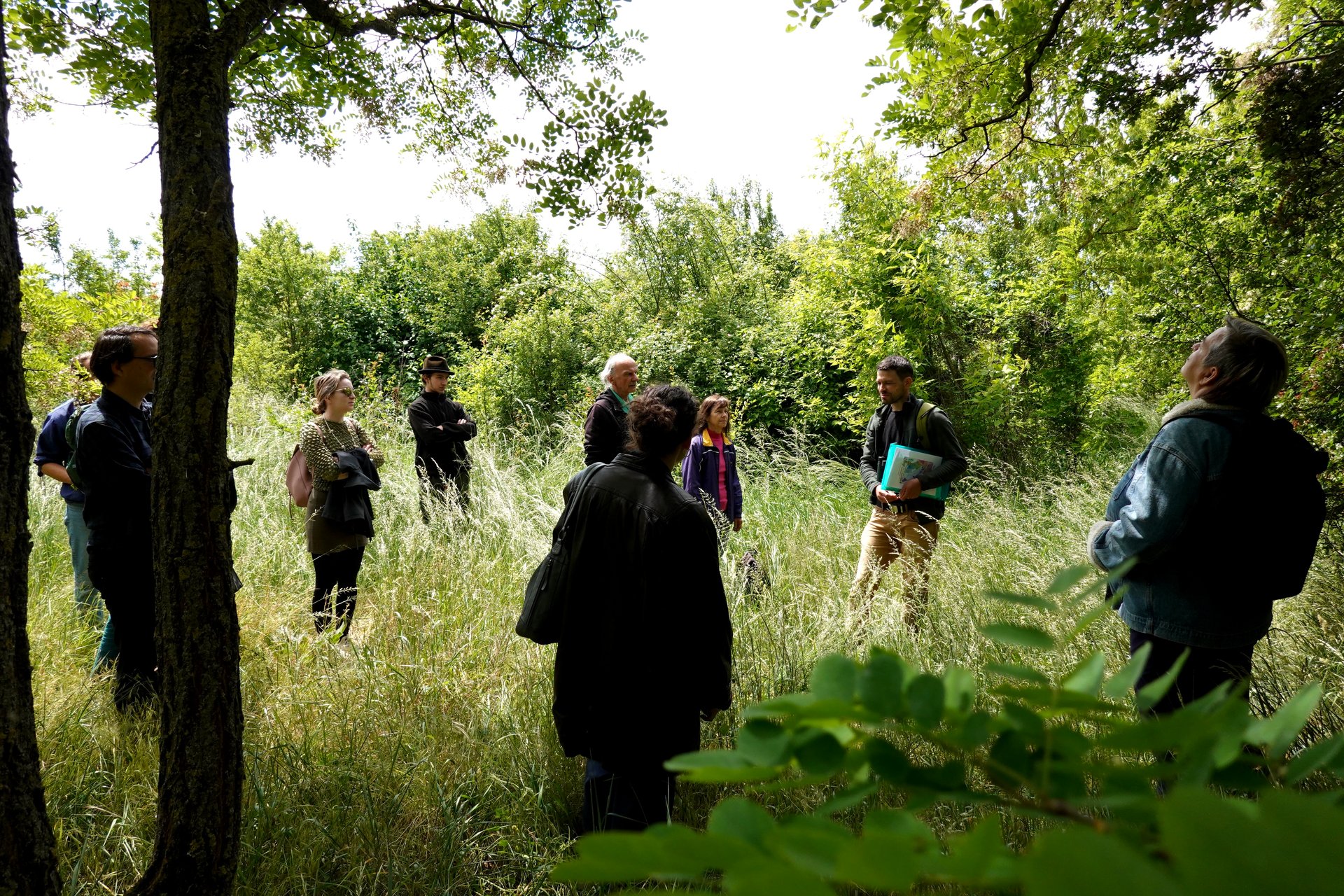
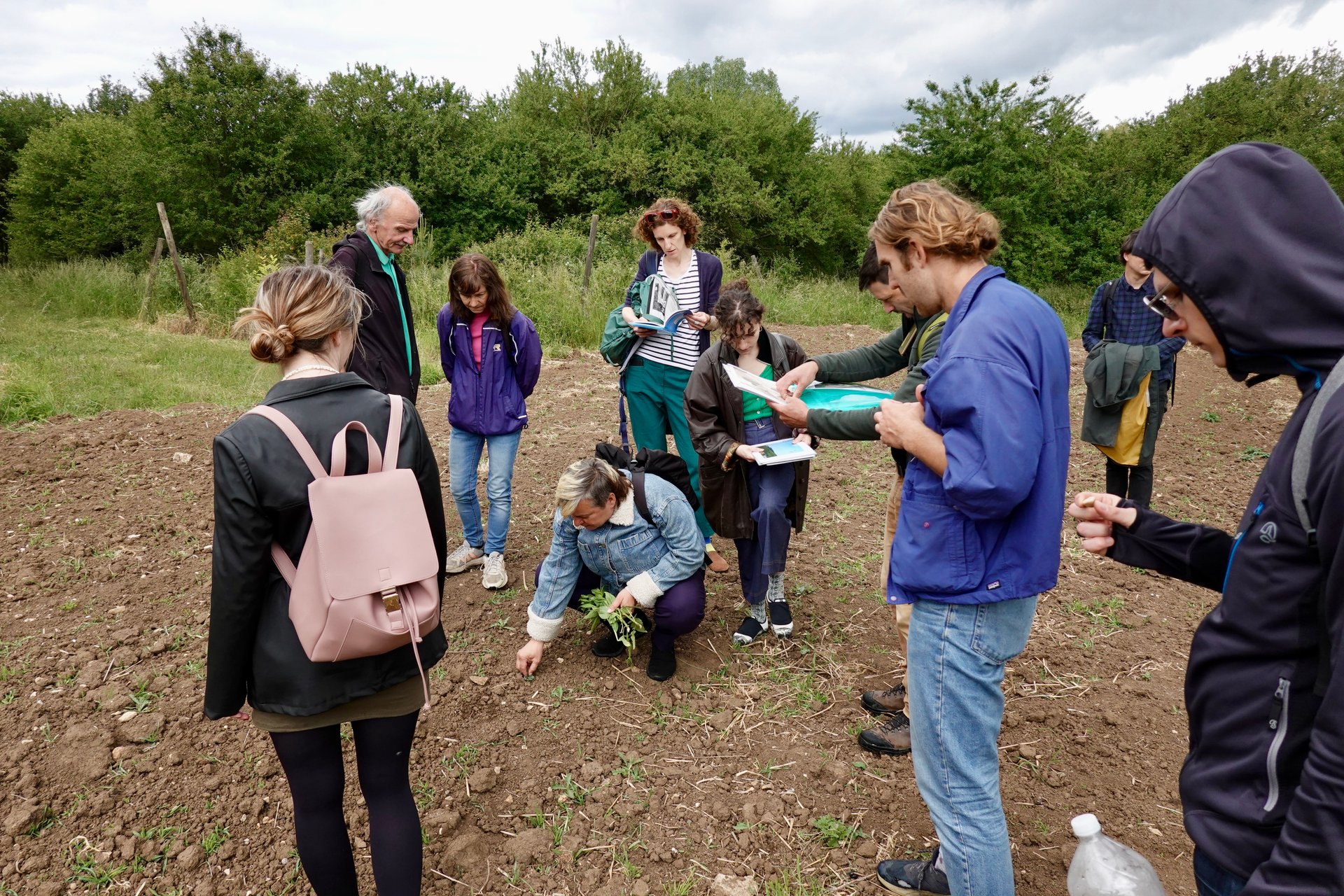
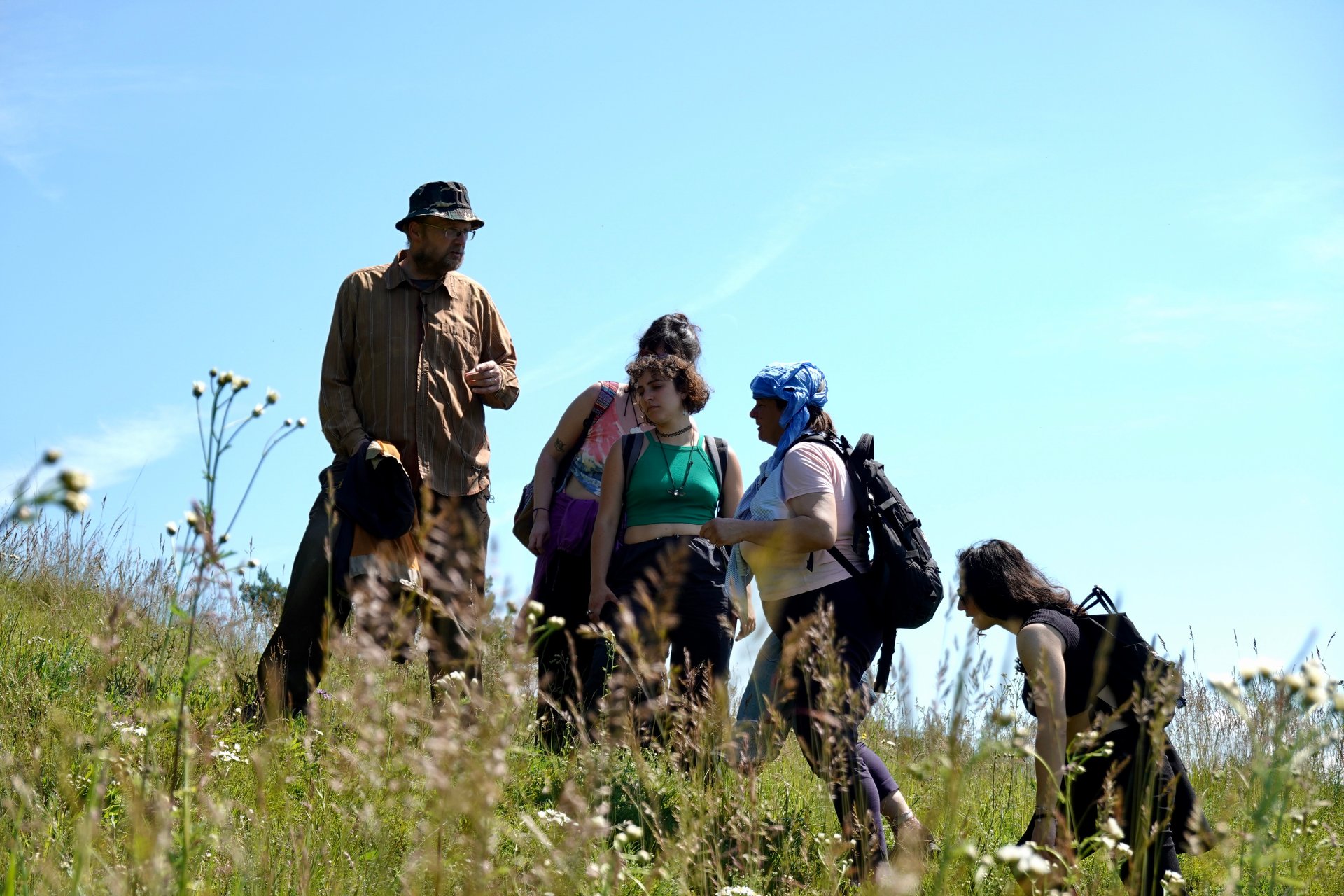
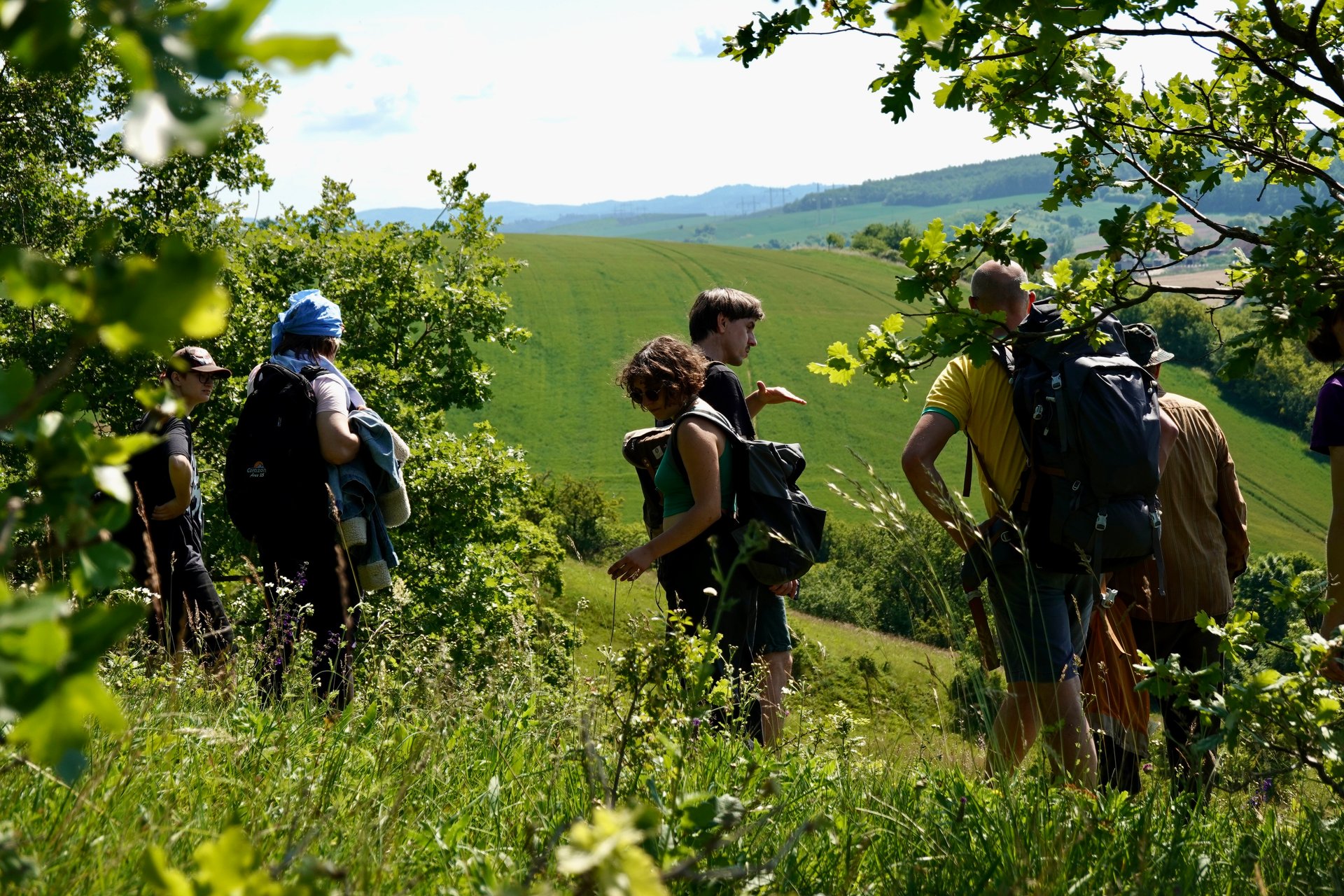
Malhotky is a xerotermic grassland area located near the village of Nevojice. Surrounded in part by an oak grove and fields, it is a precious gem of many rare species of flora and fauna, notably insects and birds. RNDr. Libor Ambrozek is a graduate of geobotany at the Faculty of Science of Charles University in Prague, having focused his master’s thesis on steppe vegetation of South Moravia. He has been dedicated to the conservation of nature since his young years on different administrative levels - from the County Department to the Parliament and the Government of the Czech Republic. Since 1980, he has been a member of the Czech Union of Nature Conservation, since 2000 he has been its chair (apart from a ministerial intermezzo). At present, he is the head of the Department of nature and landscape conservation at the White Carpathians Protected Landscape Area Administration.
Zdenka Lososová - Cities as a human contribution to the diversity of nature
Cities are the fastest growing ecosystem globally. Urban environments are created and altered by humans, which leads to the loss of natural habitats. In contrast, cities are areas where the emergence of new human-made habitats is coupled with high rates of introduction of non-native species. This results in novel plant communities with new species combinations. Plant species in urban environments are influenced by multiple factors, such as land-use types and their spatial distribution, climatic, edaphic, and socioeconomic conditions, disturbance, and other stochastic processes. Cities are also transportation hubs, facilitating species dispersal from one city to another and spreading urban-tolerant species across the globe. In my talk, I talked about urban flora of Brno as example, where I identified local centres of plant diversity and the factors leading to their occurrence. I also presented our ideas, how such a data could be further use to determine Nature’s contribution to people of these urban centres of biodiversity and how the public perceives them.
Doc. RNDR. Zdenka Lososová, Ph.D. (Dept. of Botany and Zoology, Faculty of Science, Masaryk University, Brno) is a botanist and a plant community ecologist with both practical and theoretical experiences in the field of community ecology, urban ecology, ecology of European habitats, particularly ecology of human made habitats, and macroecological studies. Her research focuses on understanding biodiversity patterns, especially in functional and phylogenetic diversity of plant communities. Doc. Lososová has extensive experience in fieldwork and analyses of large vegetation-plot databases across various spatial scales, regions and vegetation types. She has led a project investigating the diversity of plant communities in urban environments and their impact on residents‘lives.
Doc. Lososová has led a project studying emerging urban plant communities in Europe, analysing their structure across different climatic regions of Europe, projecting potential changes in urban plant communities under global change, and identifying key drivers of these changes. The findings, showing that native and alien species respond similarly to climatic factors, were published in leading ecological journals. She has also initiated and managed a floristic survey of Brno, compiling a database of approximately 70,000 records, now available for studying urban biodiversity. The results were published in early 2024.
Paula Malinowska - Film screenings and an artist talk
In her presentation, Paula Malinowska introduced her long-term artistic research and practice in which she builds speculative narratives centered around contemporary climatology, biology, and technology research. She presented her short 3D animated films (How Did Daphne Turn into a Plant (2022), Ballad of the Waves that Rotated the Earth (2024), Branching Light and Flickers of a Dawn (2024) which represent through the digital medium a fascination of more-than-human world and questions the role of fiction and narrativity in searching for human relationality towards the planet and ourselves.
What kinds of fiction narratives can be obtained by an uncontainable ivy plant, an immortal jellyfish, or the mystery of synchronically flickering swarms of glowworms understood in the context of reevaluating human position within larger ecosystems? What role can digital art play in these efforts?
MgA. Paula Malinowska is a digital artist and a photographer based in Bratislava. Her artistic practice encompasses CGI audiovisual works - 3D graphics, animation, and print. She builds speculative narrative about contemporary climatology, biology, and technology through working with elements of fiction.
Adam Vačkář - Giant hogweed as a tool of imagination in visual art and of Interdisciplinary cooperation
Visual artist MgA. Adam Vačkár has been researching the topic of giant hogweed (Heracleum mantegazzianum) and examines this plant both as a real biological being and as a way in which to perceive the world - as a tool of reimagining the human perspective of relating to nature, otherness, and environmental control. The artist’s work interconnects scientific research with artistic methods of imagination, which open up new perspectives of invasive species and their place in ecosystems and human thinking.
Adam Vačkář places an extraordinary importance on cooperation with biologists. In his presentation, Vačkář focused on the possibilities and tools of relating to plants which do not fit into the ideal schemes of globalized consumer society. He questioned the binary relations of eradication and extraction, the categories of good and the bad, and limitations which are related to human existence which is tied to our bodies, which limits our objectivity, and which emphasizes the existence of human evolutionary interests. Our bodies exist in concord with the Earth and the Sun, with nature. Although people project human discourses to more-than-human worlds through the disciplines of anthropology, sociology, and other tools of research, the friction and resistance of these more-than-human beings represent real life since resistance makes this life real. It is not the accord with our thoughts and ideas, but the resistance to them which enables things to grow.
Adam Vačkář graduated from the École Nationale Supérieure des Beaux-arts in Paris. His works have been presented in institutions such as S.M.A.K., Centre Pompidou, Palais de Tokyo, Art Basel, Cologne Kunstverein, Museum Morsbroich, Národní galerie v Praze, Galerie hlavního města Prahy, FRAC Occitanie Montpellier, and other. Vačkář has participated in artistic residencies in Delfina Foundation in London, Pavillon v Palais de Tokyo in Paris,, and Boghossian Foundation in Brussels. His art is conceptually oriented, it connects visual art, biology, environmental thinking, and biosocial topics. Together with evolutionary biologist Dr. Jinřich Brejcha he has established an interdisciplinary platform called Transparent Eyeball oriented at interdisciplinary research.
Davina Elena Vačkářová - Nature-society interactions through the lens of ecosystem services
The presentation introduced the concept of ecosystem services as a conceptual framework for analyzing the complex relationships between nature and society.
Ecosystem services provide a means to examine the multiple benefits that nature offers and their impact on human well-being, particularly in relation to the diverse values attributed to nature. The One Nature LIFE-IP project serves as a practical example of ecosystem service assessment, demonstrating stakeholder engagement in the management of protected areas. Additionally, the lecture highlights the role of informal urban green spaces - often overlooked yet significant - as contributors to ecosystem services within urban environments. The discussion emphasizes the importance of better understanding how ecosystems contribute to human well-being and the quality of life in both natural and urban contexts.
Mgr. Davina Elena Vačkářová, Ph.D., Global Change Research Institute of the Czech Academy of Sciences (Czechglobe) is an environmental researcher with academic training in environmental studies and applied and landscape ecology (Faculty of Science, Charles University), and in gender studies (Faculty of Humanities, Charles University). Her work explores the societal impacts of global environmental change. She is interested in how nature contributes to human well-being, how its benefits and services are (under)valued, and how knowledge about ecosystem services is co- produced through the integration of diverse perspectives and within policy processes.
In her research, she connects ecological thinking and global change with questions of inequality, justice, and identity. She has contributed to international processes under IPBES, the European Environment Agency, UNDP, and IUCN. She sees sustainability as a search for ways to live within ecological limits with respect for the diversity of the world around us.
Tamara Spalajkovič, Kateřina Singer, Marek Hlavička - Case study of post-cultural landscape of Planýrka, Brno
The research team (MgA. Tamara Spalajkovič, FFA BUT, Ing. arch. Kateřina Singer, FA BUT, Ing. arch. Marek Hlavička, FA BUT) has been connected together through their common interest in the research of new typologies of landscape and of making visible interspecies relationships which exist beyond the visibility of hitherto common everyday human perception and urban planning. The team has led a studio at the Faculty of Architecture in the winter semester of 2024/25 called “Planýrka: the future of ecosystem within a city” and was awarded with annual Bohuslav Fuchs Prize as a collective project. Kateřina Singer dedicates her research to looking for argumentation to defend typical examples of post- industrial landscapes, new wilderness and vague terrain and their related social phenomena, which she understands as new typology of landscapes in urbanized environments. Marek Hlavička is occupied with the research of new forms of collectivities arising on the site, including the research of interspecies relationships and their relatedness with the architectonic development of the site. Tamara Spalajkovič dedicates her work to the creation of alternative scenarios for the development of the site and searching for the methods of video art which enable stepping out of centralized anthropomorphic thinking about cities.
Lucia Bergamaschi, David Přílučík - Art and the rights of nature
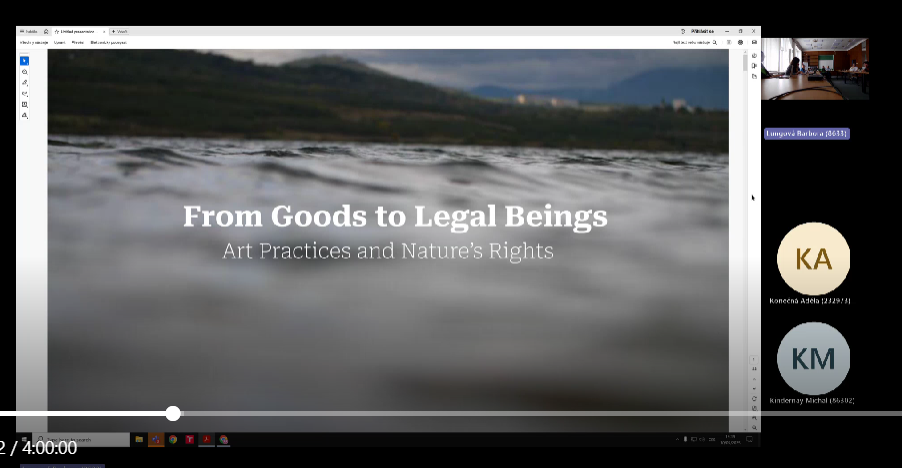
screenshot from the video presentation
The topic of the rights of nature resonates across legal, artistic, and activist space and opens up crucial questions of representation. How can we represent entities reaching beyond “human” experience? How can we speak on behalf of others, without falling into the trap of the power patterns, and eschew being passive in the face of injustice? How do artistic practices reflect questions of representations of more-than-human subjects? How can they contribute to the reshaping of legal thinking?
MgA. Lucia Bergamaschi and MgA. David Přílučík focus their research on the analysis of artistic projects which reflect the relationship between lawn and nature.Through semi- structured interviews with selected artists and collectives (Terike Haapoja, Organism Democracy, Symbiotic Lab), they identify topics such as alliances, representation, or questions of legal recognition of more-than-human actors.
The research is based on the personal artistic practice of both presenters. Lucia brings forth her prior experience with the collective Corpi Idrici, working on the Charter of Rights of Water Bodies in Genoa, which appreciates city streams as a lymphatic system. Her participation on the European workshop called Hydro Body Assembly further opened up questions, such as who can speak on behalf of a river, how outcomes can be shared with the wider public, or what kind of roles experience, expectations, and privilege can play.
David has been engaged in a long-term project called Divoká Šárka which speculatively develops possibilities to acknowledge legal subjectivity to the eponymous nature reserve within the neoliberal state. His previous works - for instance The Art of Anthropocene (2019), Breed (2015 - 2022), or Unprotected Nature (2022 - 2024) focus on cultural and environmental conditions of care, mutual living and responsibility in the times of climate and social changes.
The presentation offered an insight into current research and also opened space for collective ruminations on the ways in which art and cultural practices can play in the change of ways in which we understand law, representation, and our relationships with more-than human world.
Jiří Schneider - When a scientist presses the camera shutter - data collection or art?
Landscape management is one of the fields on the border between science and art. It is often dealt with by experts with an artist's heart. Photographs as a partial result of their work can be a pleasure for the eye and working material for further analyses or as an information tool. Will they have the same set of values in any case? You can have a photograph of forest growth on the wall in your bedroom instead of a painting or it can be material in a questionnaire survey. The photographer automatically tries to express his artistic view of the topic or scene with it. The scientist should try to take a picture as realistically and as mundanely as possible and comparable to other locations. The third way is to have a sufficiently large capacity on the storage medium...
I am Ing. Jiří Schneider, Ph.D., former Dean of the Faculty of Regional Development and International Studies at Mendel University in Brno. Head of the Institute of Environmental Science and Natural Resources there. I graduated in Forest Engineering and received a doctorate in Landscape Management. My long-term topics are ecosystem services, practical nature conservation, landscape management and environmental policies.
I am a happy person for whom work is a hobby. A forester-nature conservationist- landscape engineer-environmentalist-academic with an inherited love for the camera. When photographing the landscape (and life in it), I perceive both its aesthetic value and its professional dimension. A river, a forest, a landscape mosaic in its current form reflects the history and the approach to their management and use. When I like a forest, I like the result of the work of a forester and natural processes. However, I am currently also looking for ways to increase the resilience of the landscape, settlements and society in times of intensifying climate change.
Jakub Kvizda - Spectral hogweeds: figuring a way out of necropolitics
Drawing on ethnographic engagement with a necropolitical apparatus aimed at complete eradication of the so-called invasive plant ‘Giant hogweed’ from the Czech Republic, this talk explored figurative potentials for escaping ethical and practical impasses of such a form of environmental politics. Rather than addressing the well- criticized adjective ‘invasive’, the contribution critically examined the premises and promises of the administrative ontology of biological species as an intuitive and unreflected category for environmental governance which systematically distributes and accentuates in/visibilities of certain phenomena over others in a way that compromises the objectives of the apparatus. Next, I turned my focus onto a preliminary decomposition of this category through a figure of Spectral Hogweeds which embodies two etymological kin: ‘specters’, as present absences; and a ‘spectrum’ of hogweed becomings. Finally, I outlined how this figure can potentially infuse administrative practices of multispecies flourishing.
If one can fall for activism through the pages of books, Mgr. Jakub Kvizda, FHS UK is pursuing that path with persistence and passion. As a doctoral candidate for environmental anthropology and a member of an interdisciplinary project Resisterra at the Faculty of Humanities at Charles University, he is researching forms of power and resistance that cross the boundaries of the human and other-than-human. With his training also in socio-cultural ecology, he continues to explore debates in the natural sciences as well, bringing in wild speculations based on his fieldwork experience.
Presentations at FFA BUT (in Czech)
Tea Záchová - Music as vast as the universe, as wide as noon: presentation about the Czech Norwegian exhibition on disappearing birds in OGL Liberec
screenshot from the video presentation
The group Czech Norwegian exhibition at the Regional Gallery of Liberec about vanishing avifauna was exploring our relationship to nature through the fascinating world of birds, their songs, and their movement. The exhibition connected art, science, and philosophy and was inspired by the art of Olga Karlíková who as early as the 1960s perceived natural sounds as drawings of space and time. The exhibition reflected the vanishing of birds as a wider picture of environmental changes and biodiversity loss - both in the landscapes of Czech Republic and on Norwegian islands, which are becoming silent. Through sound, light, and artistic language, the exhibition created space to contemplate our ability to listen to nature and be response-able to it. The exhibition is documented in a publication which will be also a part of the presentation.
MgA. Tea Záchová is a curator and researcher of contemporary art based at the Regional Gallery of Liberec. She is active as a writer and editor of independent publishing platforms and art magazines. She has worked for Prague-based galleries (35m2, Pragovka), for galeries in Liberec, and in international context. She studied at UJEP where she graduated from three programs (2011-2013): curatorial studies, Art Education, and Humanities (majoring in aesthetics). In her diploma theses, she explored topics of galleries in open public space and of understanding the museum as an artistic medium. She has been exploring these topics further within her postgradual studies at the Göteborg University (within the Commissioning and Curating in Public Art course). In her curatorial practice, she has been focused in the long-term on environmental topics, particularly those of climate change. She understands curatorial work as a metaphor of care, or as gardening. She understands the metaphor of a garden as a refuge of art where indispensable relationships between different species - plants, animals, and humans can be created. Her exhibition projects are always enriched with educational programs and publishing activities - field trips, meetings with scientists, or special book editions.
Kryštof Horák - The Birds of Brno
screenshot from the video presentation
How are birds thriving in Brno? Which species are abundant, rare, and which are vanishing? Why are birds attracted to cities, what endangers them, how can they be helped? These and more questions has been the content of the public lecture.
Mgr. Kryštof Horák is a graduate of the Zoology and biology education of the Faculty of Science of Masaryk University in Brno (Czech Society for Ornithology, MUNI). He is a professional biologist, an experienced ornithologist and an environmental educator. He is employed at the South-Moravian branch of the Czech Society for Ornithology (CSO) and at Masaryk University at the ENVIROP department. He is a lecturer of an ornithologist club and of weekend education programs for children. He has been a long-time member of CSO with a rich scientific and field-based experience. He has been interested in city populations of birds, their nesting management, and he is active as an expert supervisor during reconstructions of buildings where rare bird and bat species nest.
Michal Kindernay - Alongside the stream of sound: acoustic mapping of landscapes
screenshot from the video presentation
Artistic practices employing sound as a means to environmental perception and a tool of interdisciplinary research and intermedia art open new possibilities for the reflection of the relationship between humans and landscape. The project of artistic research titled Alongside the stream of sound systematically maps the sound environment of the Opava river and has taken place for the fourth time in collaboration with Markéta Manderlová and the Bludný kámen platform. The project encompasses a publication, a web platform, and a sound map. The presentation at FaVU provided an insight into the methodology of field recording, the context of site-specific research, and environmentally oriented artistic practice.
The presentation also reflected the annual meetings called Sound Sensitivity in the landscape of Kozmice Meadows which works as an experimental space for sharing experience, for performative interventions, and for environmentally oriented sound art. The author presented his other projects which are linked to the concepts of acoustic ecology, time-based methods, and to ways of extensive perception of landscape.
MgA. Michal Kindernay is an intermedia artist, lecturer, and curator. In his work he interconnects sound art, environmental topics, and new technologies which emphasise research and site-specific approach. He has been interested in acoustic ecology and environmental topics in contemporary art.