

Pastoral Conspiracy was a three-day gathering organized as part of the project Pastoral Twilight: Initiatives for rural cultures, held on 6–8 February 2026 at Toulcův dvůr in Prague. The aim of the meeting was to connect shepherds and experts from related fields from the Czech Republic, Eastern Europe, and Western Europe.
The program reflected the current state of pastoral culture and mapped the shared expectations, needs, and interests of the participants. Thematically, it focused on livestock management, the rights of shepherds and their animals, the preservation of pastoral culture, ecosystem regeneration, and the creation of a platform for future collaboration.
The program offered a combination of public and internal formats:
Lectures by Jaroslav Obermajer (AOPK ČR – Nature Conservation Agency of the Czech Republic)* and Francesca Pasetti (IYRP – International Year of Rangelands and Pastoralists 2026)*
Short presentations on pastoral practice by shepherds*
A tasting of farm and pasture products brought by participating guests
A concert by Ida Elastic
Participatory event: KONTRASHEEP 2.0 – analogue production of Shepherds’ Classifieds, workshops on wool spinning (Laura Gabštienė and Ugnė Venckė), weaving (Michaela Hyklová), and felting (Maria Kohut)
A workshop focused on the collective creation of a Pastoral Declaration, facilitated by Jakub Mácha
The program concluded with a public panel discussion titled Dawn of Pastoralism*, moderated by Kateřina Žák Konvalinová. The panel featured: Michal Milerski (Nydecki Owieczki, Nýdek), Ivana Kodajová (Vlčí Vrch, Slovakia), Martina Skohoutilová (Pražská pastvina), Piotr Kohut (Fundacja Pasterstwo Transhumancyjne, Poland), and Ibolya Sáfiánné (Hungarian Women Herders, Hungary).
* Program items marked with an asterisk are available as recordings on this profile.


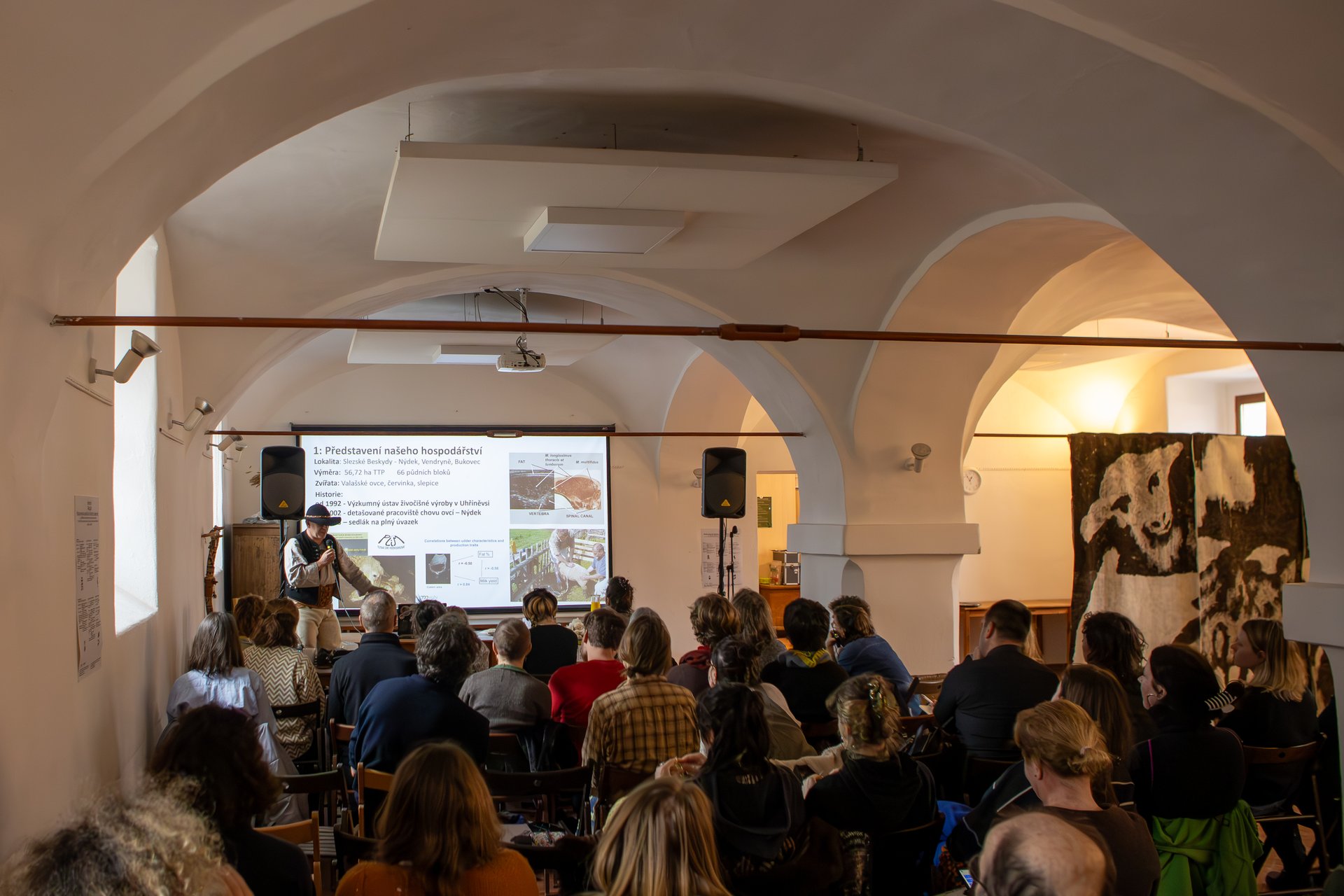


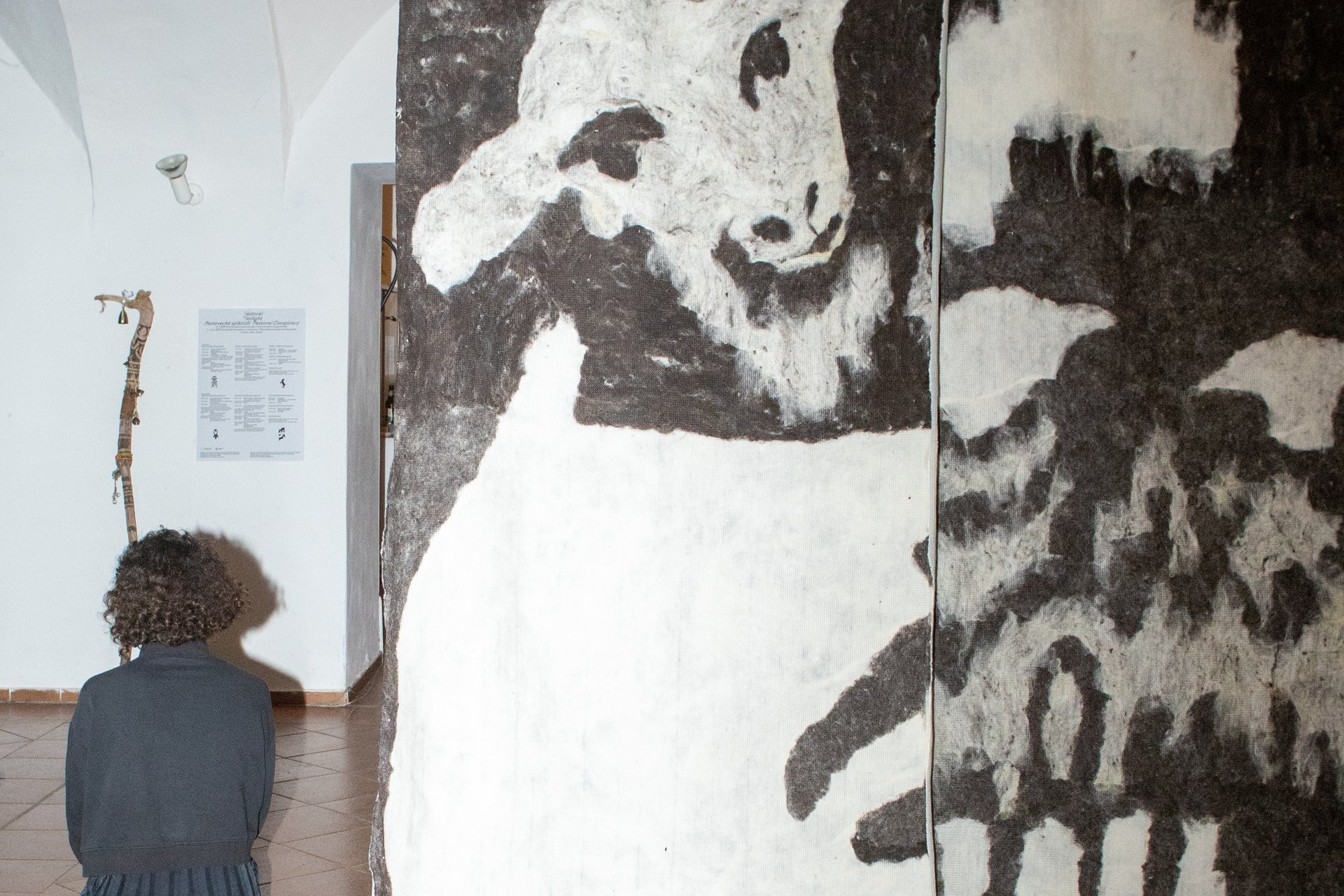


Pastoral Dawn (debate)
The debate opens several topics related to contemporary pastoral practice: institutional frameworks and the significance of (self-)organization within (supra)national structures, the role and influence of the legislative framework as well as systemic support, the possibilities for restoring seasonal livestock movements (transhumance) in the Czech context, and the current identity and future visions of pastoral culture.
Speakers: Michal Milerski (Nydecki Owieczki, Nýdek), Ivana Kodajová (Vlčí Vrch, Slovakia), Martina Skohoutilová (Pražská pastvina), Piotr Kohut (Fundacja Pasterstwo Transhumancyjne, Poland), Ibolya Sáfiánné (Hungarian Women Herders, Hungary).
Moderated by Kateřina Žák Konvalinová.
Jaroslav Obermajer: The Role of Grazing in Nature Conservation
The talk explores grazing as a key tool in the management of non-forest habitats. By deliberately disturbing grass cover, it creates space for competitively weaker plant species and the animals associated with them. Unlike uniform mowing, grazing produces a structurally rich mosaic of habitats, which is essential for maintaining high biodiversity.
Jaroslav Obermajer is the Director of the Central Bohemia Regional Branch of The Nature Conservation Agency of the Czech Republic.
Francesca Pasetti: International Year of Rangelands and Pastoralists 2026 (IYRP 2026)
The talk presents the phenomenon of transhumance, that is, the traditional seasonal movement of herds between summer and winter pastures, in Spain and other European countries, and focuses on the contemporary challenges this form of pastoralism faces across Europe. It also addresses the inscription of transhumance on the UNESCO Intangible Cultural Heritage list.
Francesca Pasetti is a biologist with a PhD in applied ecology specializing in agro-pastoral communities. Through the integration of field practice and international project management, she focuses on providing scientific evidence and policy advice in the areas of rural development, food security, and (mobile) pastoralism. She is currently co-chair of the IYRP Alliance 2026 regional support group for Europe.
Participant Presentations
Piotr a Maria Kohut

Maria Kohut (General Manager at the Center of Pastoralism in Koniaków, President of the Transhumance Foundation in Poland – Fundacja Pasterstwo Transhumancyjne, shepherdess – together with husband and main shepherd – Piotr Kohut manage over 150 ha of land with traditional cultural sheep grazing in the Polish Carpathians (1000 sheep, 10 dairy cows).
Laura Garbštienė

Laura Garbštienė is an interdisciplinary artist and the founder and curator of Verpėjos (The Spinners). Verpėjos is shepherding a herd of 50 Skudde sheep and is curating art residency and gallery space in the Dzukija region in Lithuania with the aim to research and discuss rural traditional lifestyle and nature preservation.
Ibolya Sáfiánné

Ibolya Sáfiánné comes from Hungary. She was born into a family with a long line of traditional herder generations. They keep 600 sheep on 100 hectares of sandy pastures on their family farm, cared for by two brother’s families. Since 2021, she has been the leader of the Hungarian Women Herders Group, which has 85 members so far.
Ivan Yatsko

In 2022, Ivan Yatsko founded the Vivčarsky chutir eco-farm and ethno-center in the Zakarpattia region of Ukraine, in the area of the Synevyr National Nature Park. Four shepherds tend to 250 sheep, which graze at an altitude of 900-1400 meters above sea level. They specialize in the production of four types of traditional cheese. In the craft museum, they strive to pass on traditional crafts associated with pastoralism.
Ivana Kodajová
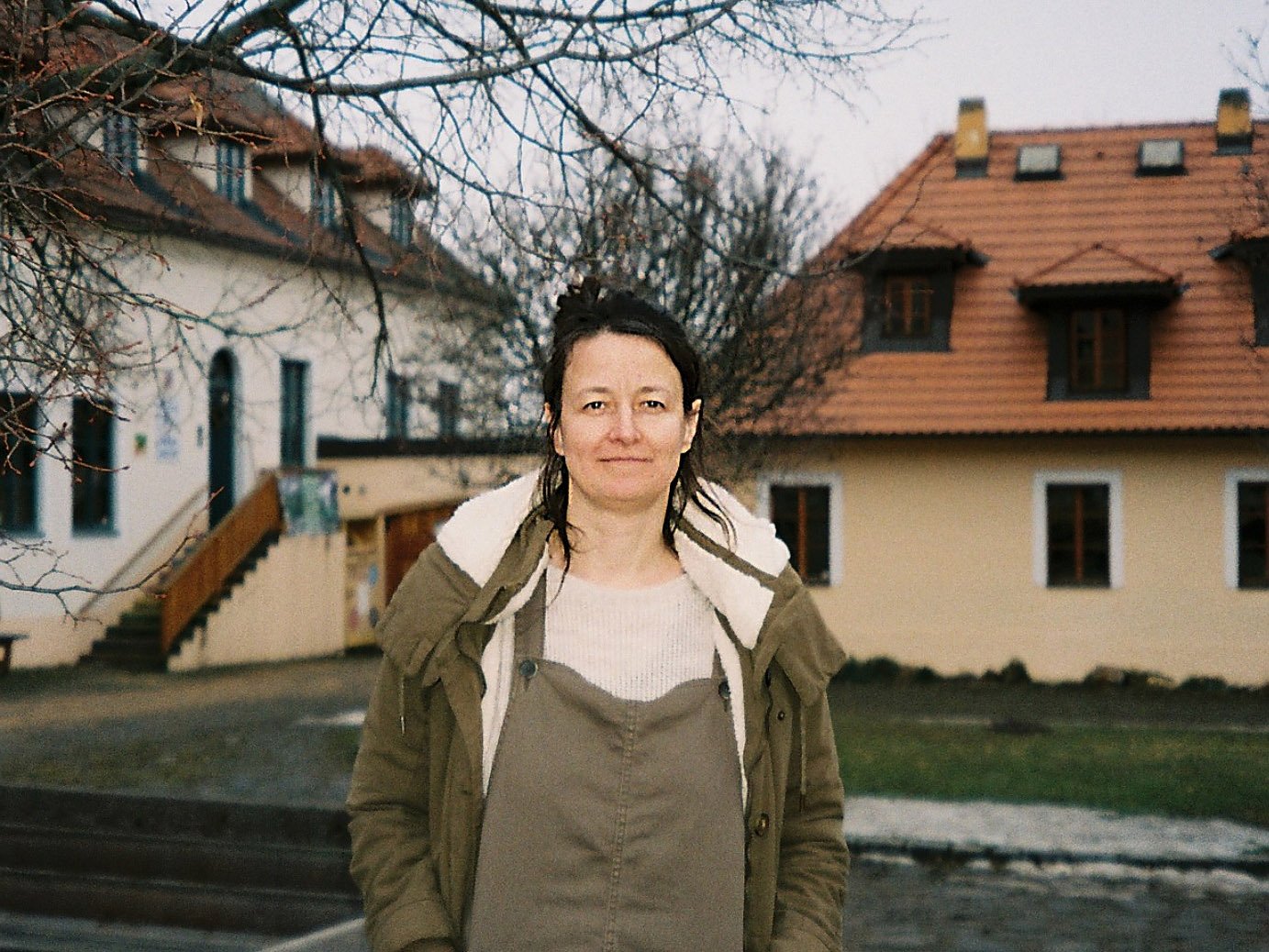
Ivana Kodajová from the Slovak goat farm Vlčí vrch is an independent farmer. She keeps 94 goats in the White Carpathians Protected Landscape Area, grazing them on the Lipníkovské and Stehlíkovské sites of European importance. In total, she farms 15 hectares of permanent grassland using organic methods. She keeps goats for pleasure, organic milk production, and habitat maintenance.
Michal Bažalík

Michal Bažalík is a winemaker and sheep farmer from Svätý Jur near Bratislava. It is a landscape of vineyards and forests. He cares for 5 hectares of land in a gentle and sensitive way. He plants trees in his vineyard, grazes sheep, and seeks a balance that will one day allow him to produce wine without pesticides or diesel fuel. His wine is made slowly and spontaneously, without unnecessary intervention.
Petra Kutáčková
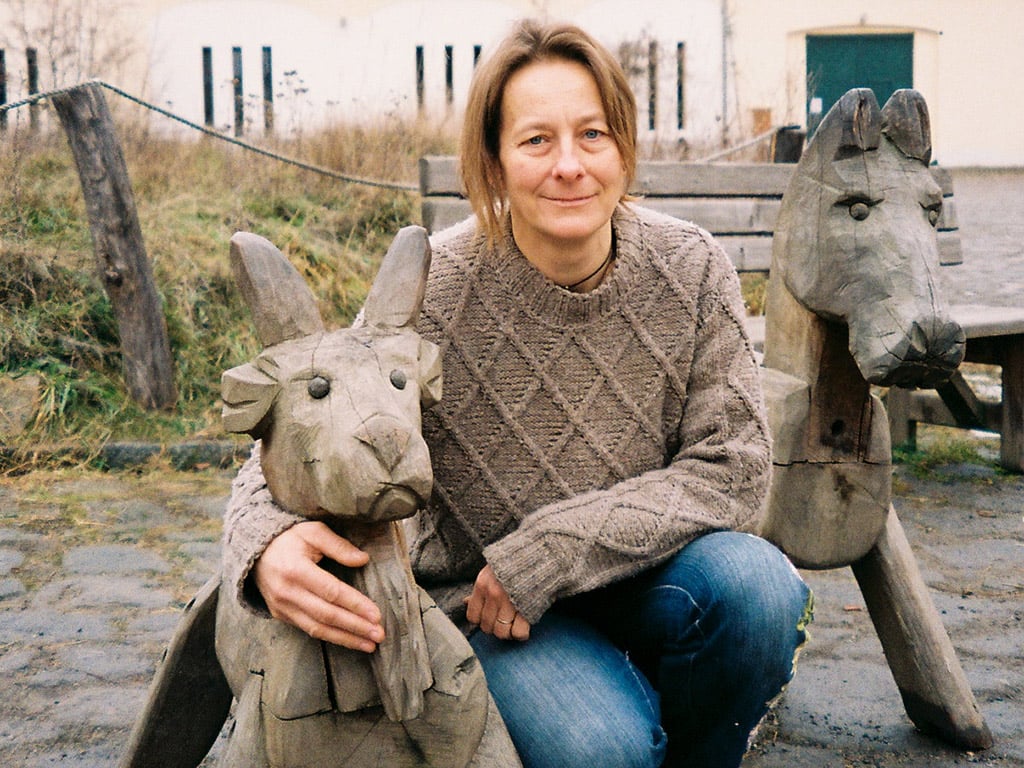
Petra Kutáčková (at her farm U kozy a petržele, she keeps a mixed herd of 40 dairy sheep and goats, plus a herd of ten Shetland sheep for wool (they are also planning to add a few cows in the near future). She produces various types of cheese in her mini dairy. She grazes her sheep and goats using a rotational grazing method on a total of 17 hectares of pasture.
Martin Trávníček

Martin Trávníček is a shepherd and conservationist working for the Pestré Polabí association. He grazes 45 sheep and helps his colleagues graze donkeys and cows. The animals graze valuable areas in eastern Bohemia in the regions of Pardubice, Chrudim, Hradec Králové, and the surrounding areas.
Michal and Danuta Milerski

Michal Milerski is a shepherd from the Czech family farm NYDECKI OWIECZKI, which breeds Wallachian sheep in the village of Nýdek in the Silesian Beskids. He is the chairman of the Wallachian Sheep Breeders' Club. His breeding program is part of the Wallachian Sheep Genetic Resource Preservation Program. He farms 56 hectares of land, raises 250 sheep, and keeps one cow for pleasure. He has also worked at the Research Institute
Tomáš Zděblo

Tomáš Zděblo is a landscape designer, ecologist, sheep farmer, and environmental education lecturer with informal education and more than twenty years of experience in the field. He is involved in managing the Na ovoce association and is the founder and chairman of the Jestřábník organization. He grazes sheep in the Suchdol and Roztoky areas near Prague.
Vladislava and Jan Velík, and Richard Souček

They farm 60 hectares of meadows in the village of Čížkov between the towns of Spálené Poříčí and Nepomuk. They practice conservation grazing. They mainly raise sheep in a basic herd of 150 ewes, 50 goats, several dairy cattle, three pigs, horses, and small domestic animals. Jan Velík also keeps bees, and Vladislava Velíková runs a cheese dairy where she processes milk from 20 sheep, a crossbreed of the Lacaune breed, and four Brown Swiss cows.
Martina Skohoutilová

Martina Skohoutilová is a shepherdess and conservationist. She works for the Pražská pastvina (Prague Pasture) organization and the JARO Group, manages over 50 hectares of land, and raises over 100 sheep and goats, which she grazes in the Český kras Protected Landscape Area and the surrounding area.
Michaela Hyklová

Michaela Hyklová comes from Wallachia, where she currently runs the Vlákna života (Threads of Life) healing and wool studio in Vsetín. She is a traveler, and during her stay in France, she met a sheep shearer who introduced her to sheep farming, cheese making, and the craft of shearing. Over time, sheep shearing became her passion, her livelihood, and a path to inner growth.
Eastern European Shepherd Convention from Pastoral Conspiracy
The pastoral assembly, which gathered on the first weekend of February in the year 2026 at the former sheepfold at Toulcův Dvůr for an international conspiracy, arrived at several positions:
The pastoral vocation is home to a most diverse community, which nevertheless shares many common ideals.
The pastoral vocation may take many forms, which complement one another. Differences do not divide us; on the contrary, we recognize the importance of this diversity, for it allows us to respond to changing conditions and contexts of landscape, shepherdesses, shepherds, and animals.
The pastoral vocation is a life stance, a way of being, and by its very nature possesses a magical and cyclical character.
For the pastoral vocation, respect from society, peace on the land, and freedom of movement are essential.
The pastoral vocation requires ancient pastoral privileges to be honored, especially the use of paths, roads, hiking trails, and the landscape at large for the transfer of animals between grazing grounds.
The pastoral vocation is a profound knowledge of the land, a way of understanding and caring for the landscape. Through its actions it seeks to maintain and regenerate the land for generations to come, and thus-like other meritorious public services-ought to be valued by society and adequately financially compensated, so that shepherds may sustain not only themselves and their flocks, but also their families and loved ones.
In this regard, the pastoral vocation would also welcome minimal bureaucracy, so that it may devote itself to its work. And if some bureaucracy is necessary, then at least such that takes into account the unique nature of pastoral practice.
The pastoral vocation does not regard animals as mere means of production, but as unique beings with distinct needs, demands, opinions, and vices. Shepherds seek to build with them a welfare-based working relationship, or ideally a purely friendly one.
Good shepherds may be considered those who act through good practice. They know the expressions of a contented animal, how diverse grazing and appropriate pasturing ought to appear. They know how to care for the entire pasture community, not merely for their own profit, for they know how vital and yet how fragile are the ecosystems with which they are engaged.
The pastoral vocation contributes to maintaining biodiversity and to the resilience of the landscape in the face of a changing climate. Grazing preserves processes in the landscape on which it has long depended.
The pastoral vocation is practiced in the liminal worlds between cities, villages, and mountains; of states and polities; of human and more-than-human beings; between domestication and wildness; the real and the supernatural; conservation, healing, and banditry. Let us preserve the uniqueness of this liminal being.
The pastoral vocation is cultural heritage and tradition.
The pastoral vocation is alive and ever-adapting. On the pasture, knowledge blends with intuition and senses and instincts awaken. The millennia-old experience of shepherding cannot be reduced to technology. Data can refine it, but cannot replace decision-making that arises from the living landscape.
The pastoral vocation commits itself in manifold ways to spreading awareness of itself, and calls upon society to do likewise, thereby helping to create the conditions and space for the education of a young pastoral generation.
The pastoral vocation perceives wool as a gift.
The pastoral vocation is kind to animals, the landscape, and itself.
The pastoral vocation is open, curious, humble, and non-growth-oriented.
The pastoral vocation remains with its feet on the ground and its head in the clouds.
In Prague, 8 February 2026
anto_nie, Edith Jeřábková, Denisa Langrová, Ruta Putramentaite, Alex Sihelsk*, Kateřina Žák Konvalinová (Pastvina group, Czechia)
Michal Bažalík (Víno Bažalík, Slovakia)
Laura Garbštienė and Ugnė Venckė (Verpėjos, Lithuania)
Michaela Hyklová (Vlákna života, Czechia)
Zsófia Szonja Illés (artist and filmmaker, Hungary)
Ivana Kodajová (Vlčí Vrch, Slovakia)
Piotr and Maria Kohut (Fundacja Pasterstwo Transhumancyjne, Poland)
Petra Kutáčková (Hospodářství u kozy a petržele, Czechia)
Michal and Danuta Milerski (Nydecki Owieczki, Czechia)
Francesca Pasetti (Regional IYRP Support Group, Spain)
Ibolya Sáfiánné (Hungarian Women Herders, Hungary)
Martina Skohoutilová (Pražská pastvina, Czechia)
Martin Trávníček (Pestré Polabí, Czechia)
Jan and Vladislava Velík, Richard Souček (Farma Jana a Vladislavy Velíkových, Czechia)
Ivan Yatsko (Synevyr community, Ukraine)
Tomáš Zděblo (Jestřábník, Roztoky, Czechia)
Authors
Participants of the gathering:
Czech Republic:
Michaela Hyklová (Vlákna života, Vsetín), Petra Kutáčková (Hospodářství u kozy a petržele, Ždánický les near Brno), Michal Milerski (Nydecki Owieczki, Nýdek), Martina Skohoutilová (Pražská pastvina, Prague), Martin Trávníček (Pestré Polabí, Dříteč), Jan and Vladislava Velík, Richard Souček (Farma Jana a Vladislavy Velíkových, Brdy), Tomáš Zděblo (Jestřábník, Roztoky)
International:
Michal Bažalík (Víno Bažalík, Slovakia), Katalin Erdődi (curator, Hungary), Laura Garbštienė and Ugnė Venckė (Verpėjos, Lithuania), Zsófia Szonja Illés (artist and filmmaker, Hungary), Ivana Kodajová (Vlčí Vrch, Slovakia), Piotr and Maria Kohut (Fundacja Pasterstwo Transhumancyjne, Poland), Francesca Pasetti (Regional IYRP Support Group, Spain), Ibolya Sáfiánné (Hungarian Women Herders, Hungary), Ivan Yatsko (Synevyr community, Ukraine)
Curated by:
Pastvina group (anto_nie, Edith Jeřábková, Denisa Langrová, Ruta Putramentaite, Alex Sihelsk*, Kateřina Žák Konvalinová) as part of ARE: Woods (Czechia), Laura Garbštienė and Ugnė Venckė (Verpėjos, Lithuania)
Produced and promoted by: anto_nie, Iveta Černá, Karolína Mikesková
Photography: Veronika Čechmánková, Markéta Choma
Video: Denisa Langrová
Pastoral Conspiracy is part of the two-year international project Pastoral Twilight: Initiatives for rural cultures, which brings together three organizations: ARE: Woods (Czechia), BAU (Italy), and Verpėjos (Lithuania). The project aims to support pastoral systems that care for landscapes and animals in an ecocentric way by connecting artistic and educational approaches with regenerative agricultural practices. While pastoralism is declining across Europe, Pastoral Twilight cultivates shared strategies of resilience for the future of pastoralism and fosters relationships among shepherds from European countries of the former Eastern Bloc.
The Pastoral Twilight: Initiatives for rural culturesis co-funded by the European Union, under the Creative Europe programme.
Views and opinions expressed are however those of the authors only and do not necessarily reflect those of the European Union or the EACEA. Neither the European Union nor the granting authority can be held responsible for them.

Additional support provided by: Ministry of Culture of the Czech Republic

Special Thanks to: Toulcův dvůr, Emblem Prague Hotel, Ovenecká 33, Goethe-Institut Czech Republic
Media partners: ArtMap, Artyčok.TV
Publication: 9. 4. 2026