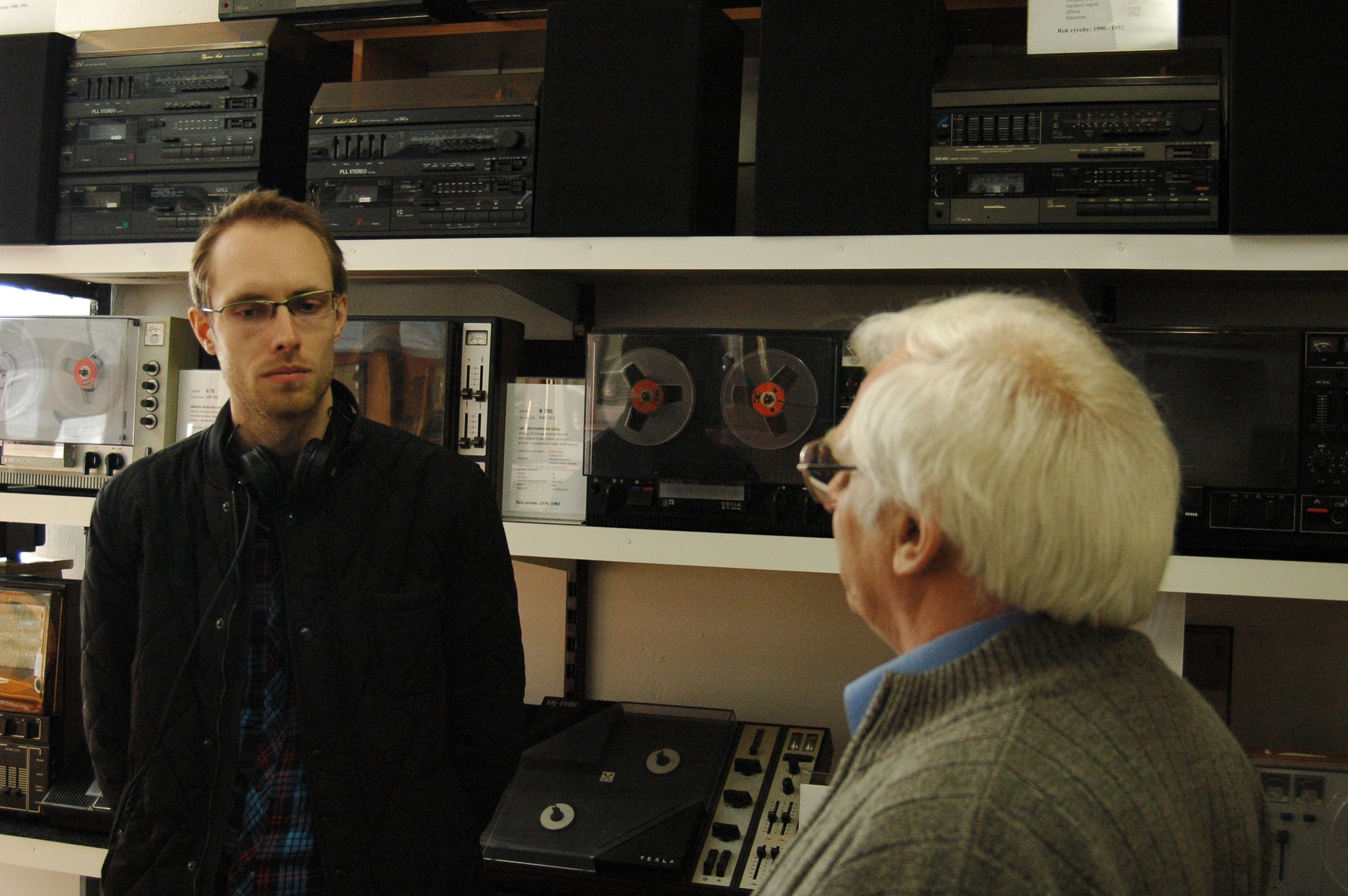
MUSEUM OF ELECTROTECHNICAL INDUSTRY IN PŘELOUČ
Source: ČTK Pardubice
Museum of Electrotechnical Industry in Přelouč
INTERVIEW WITH PETR SCHEJBAL
Why did you found your own museum?
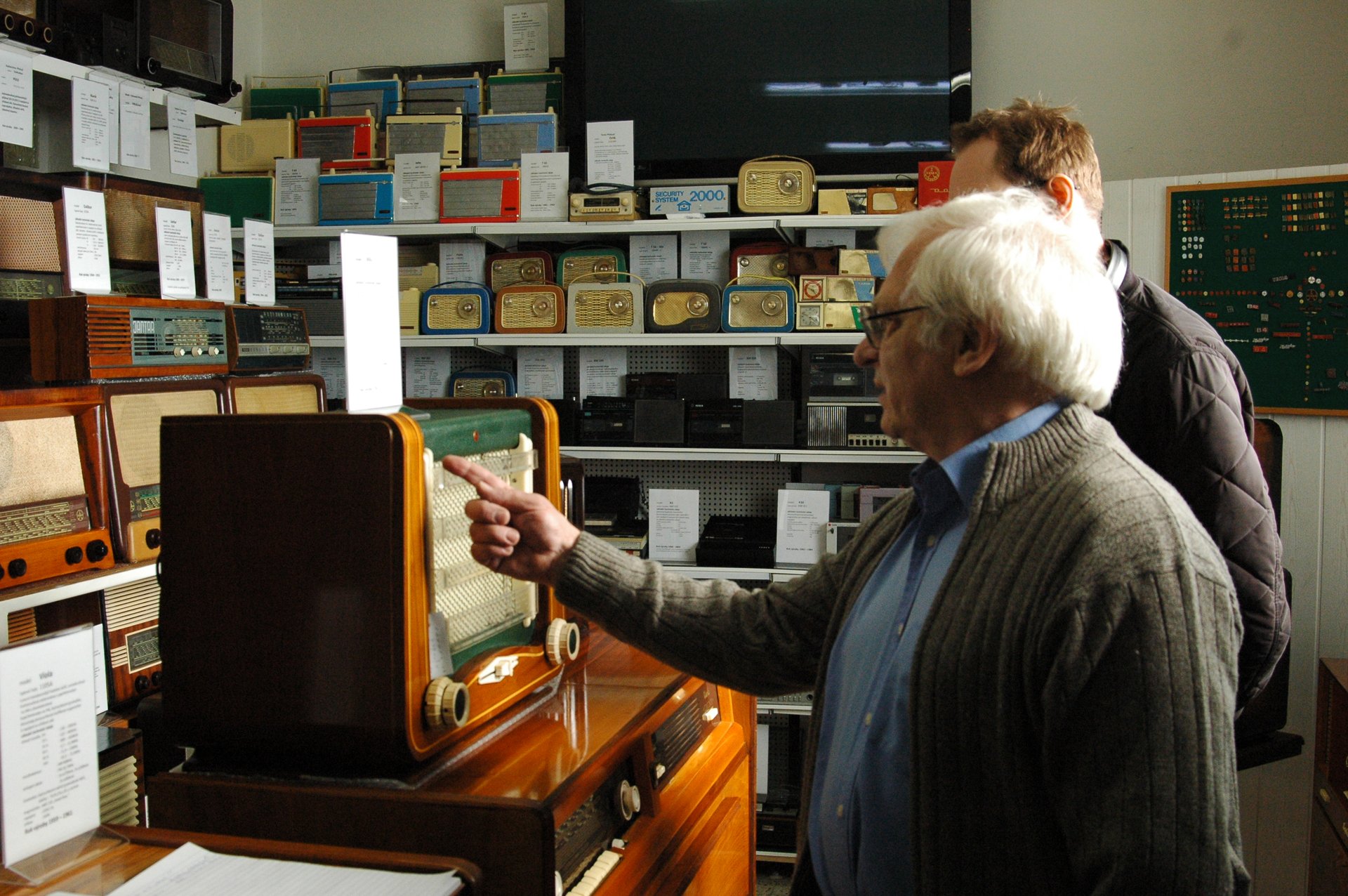
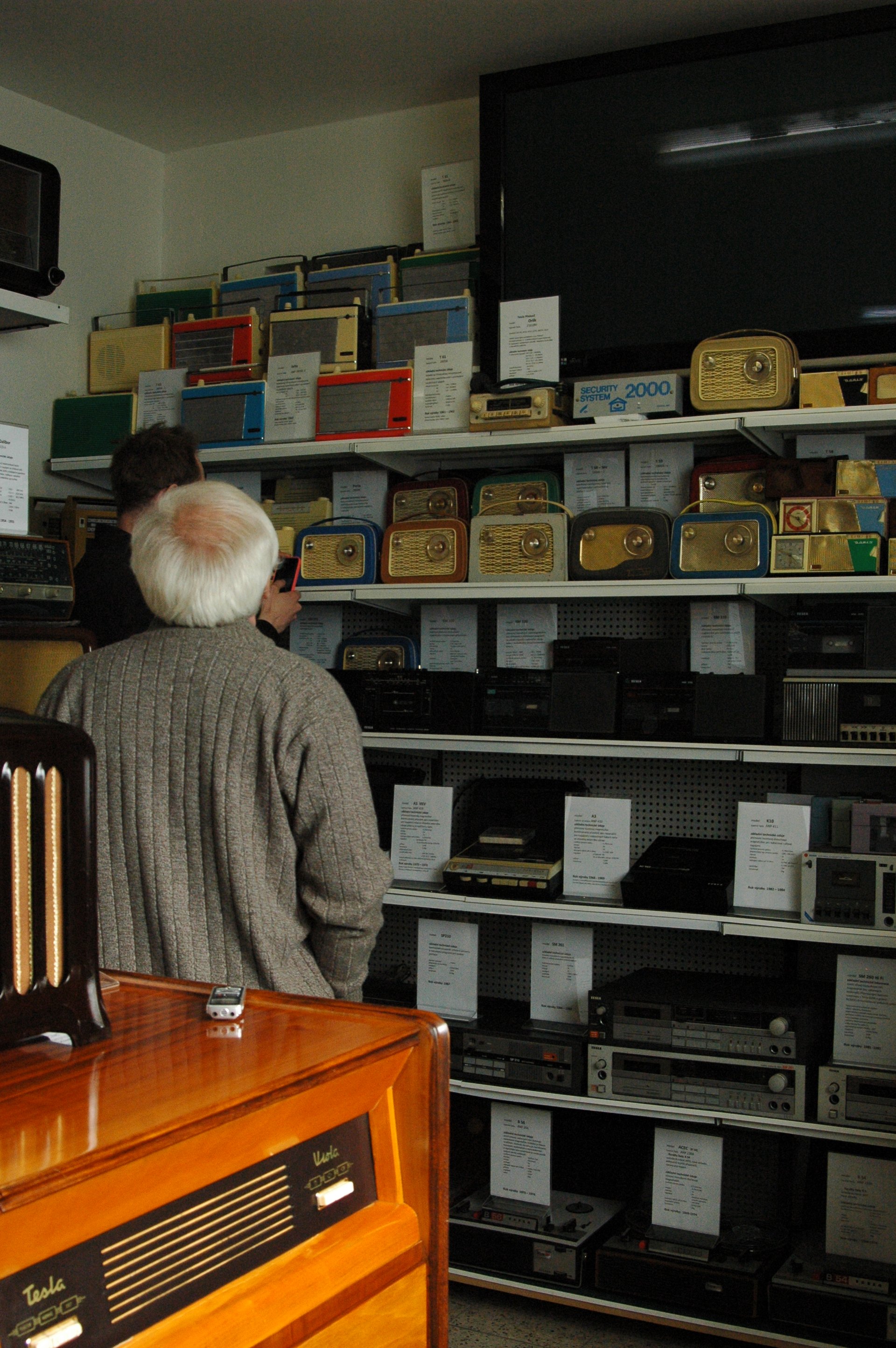
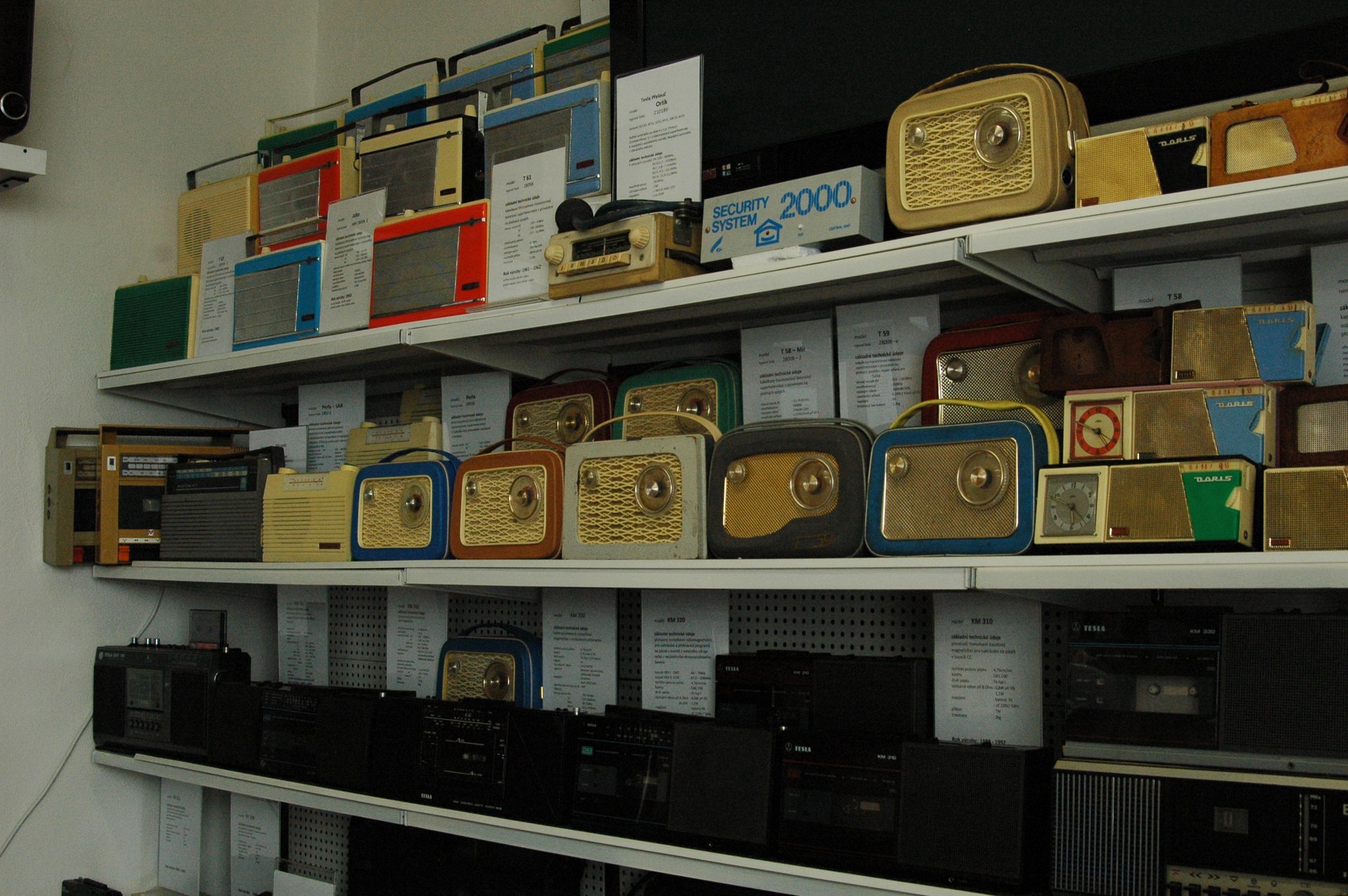
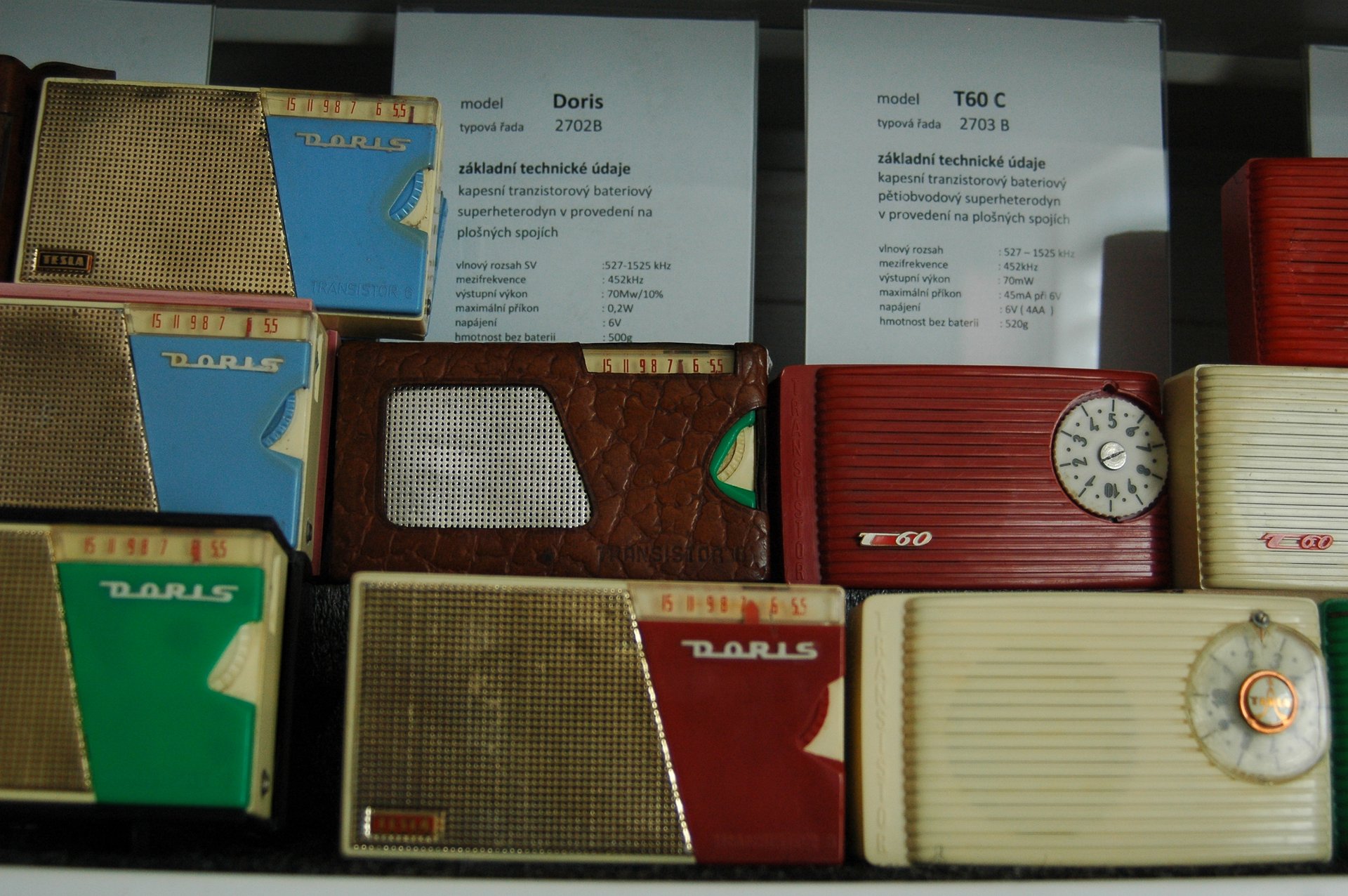
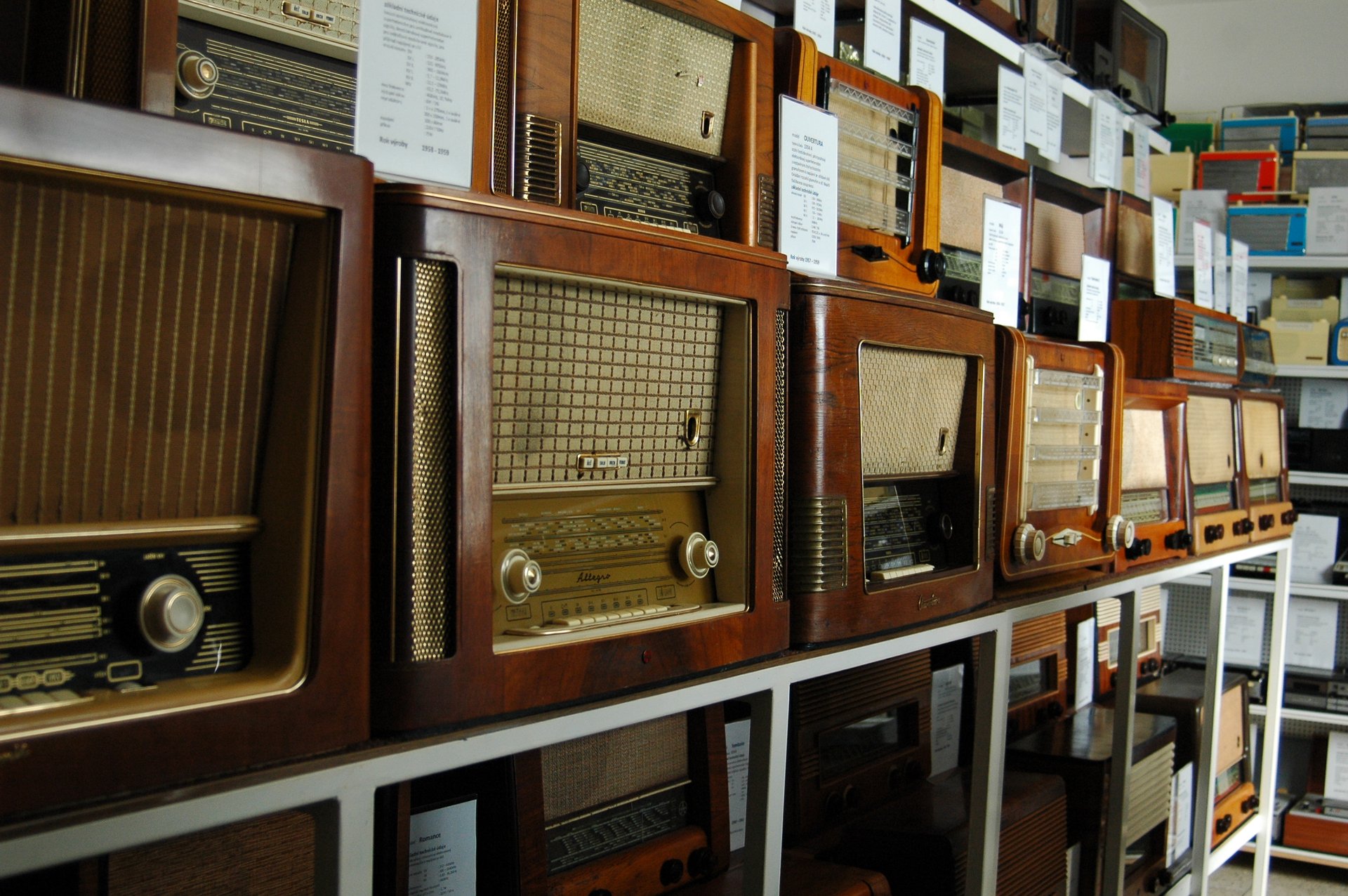
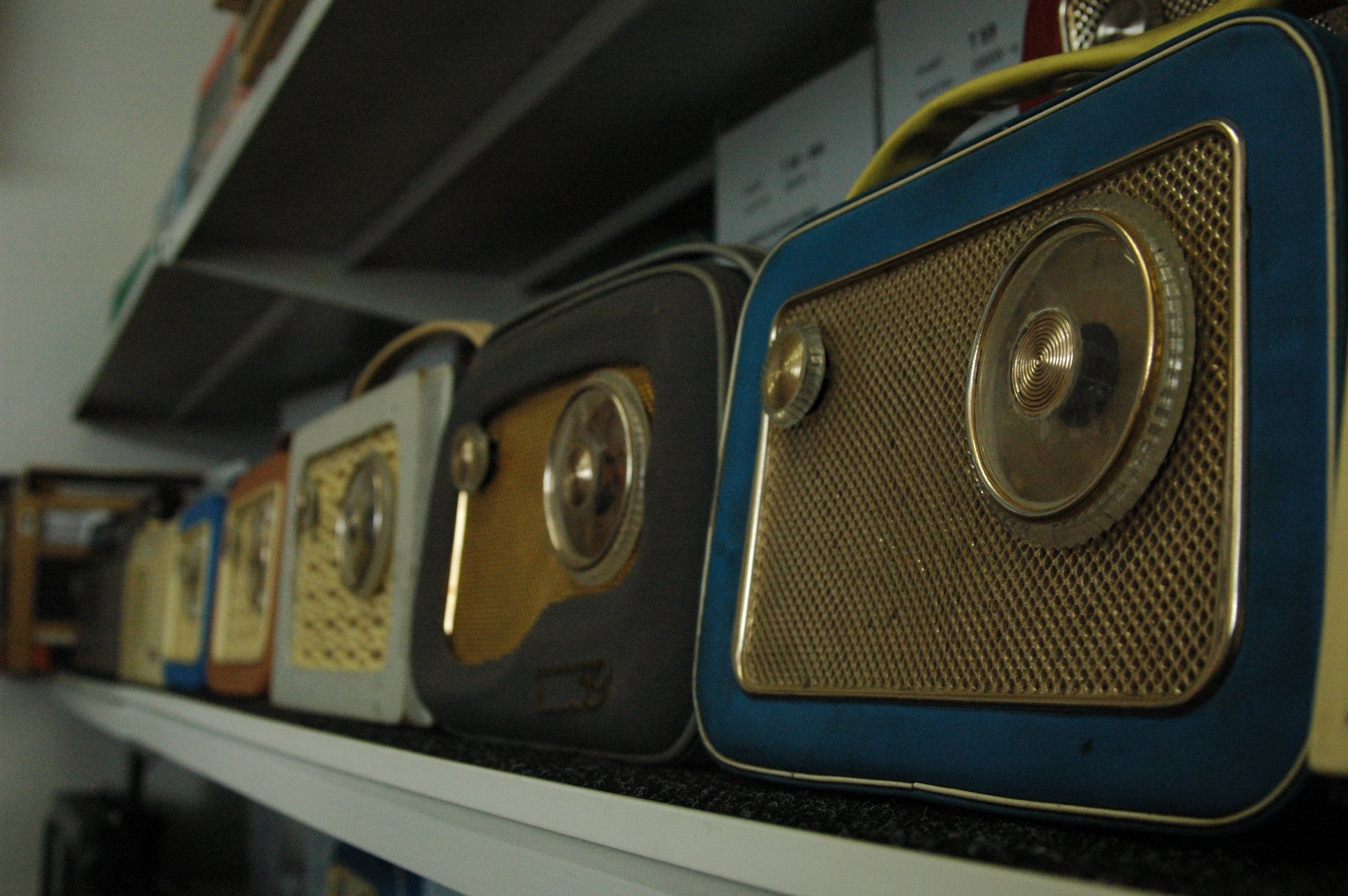
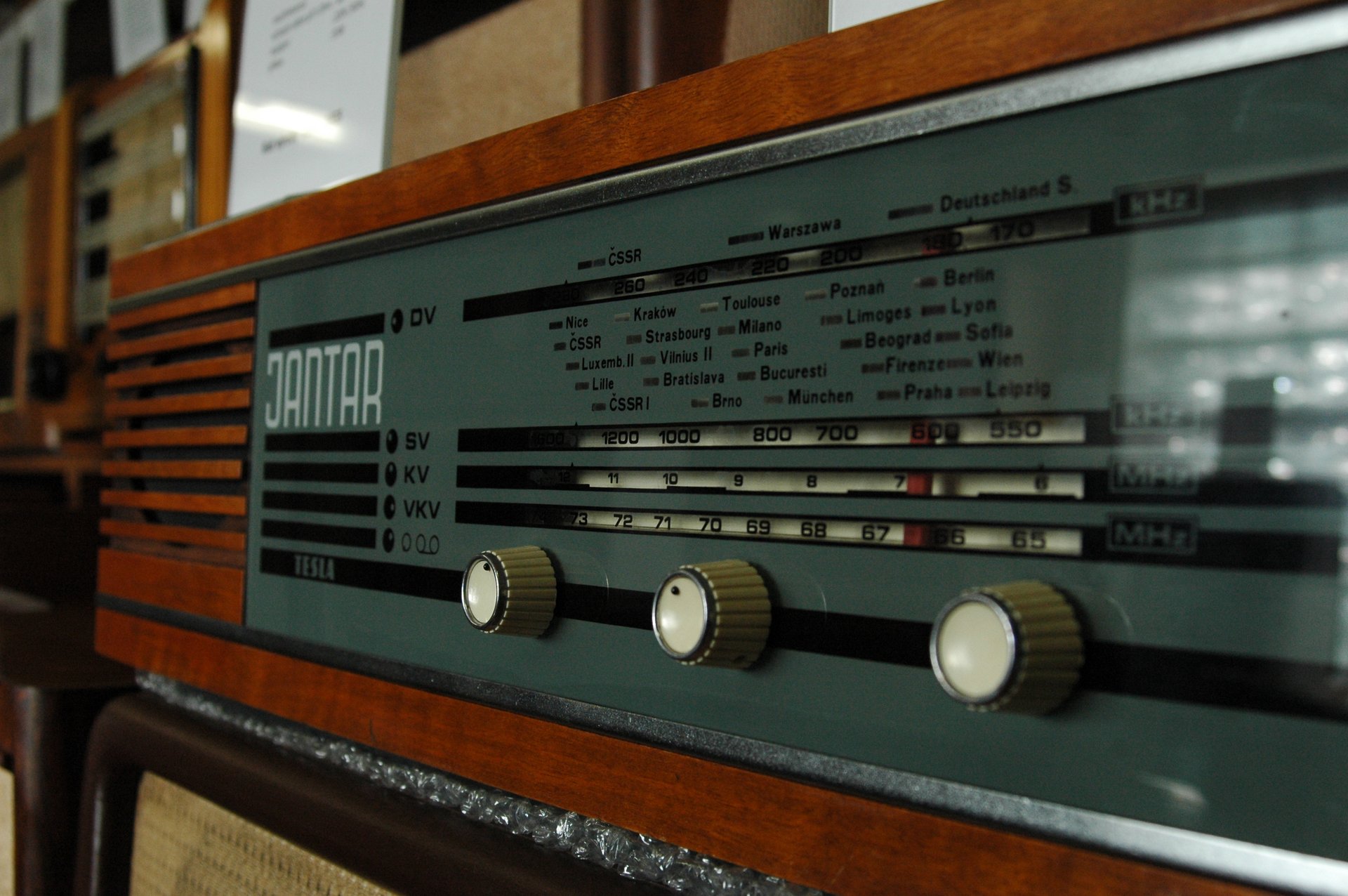
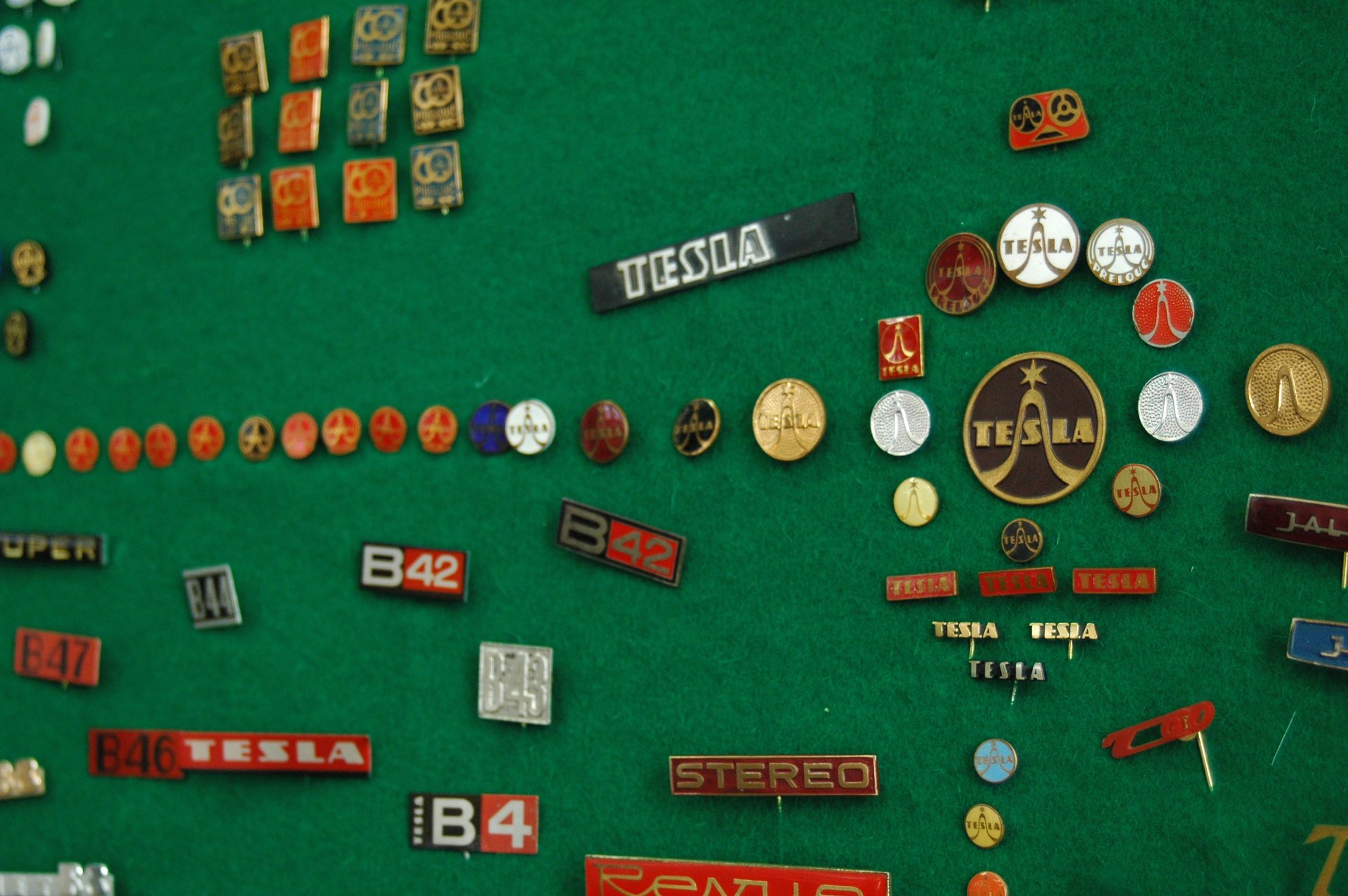
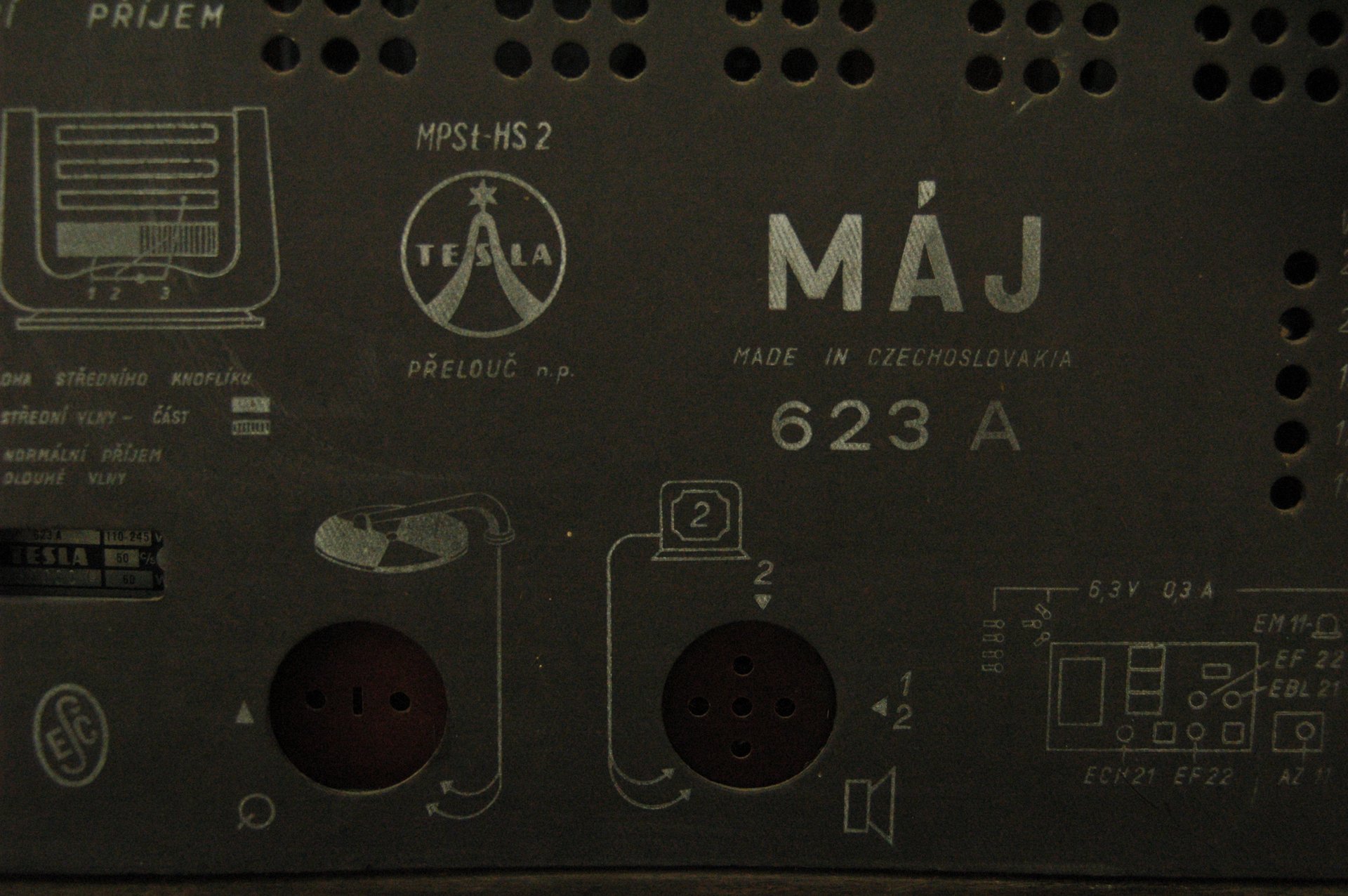
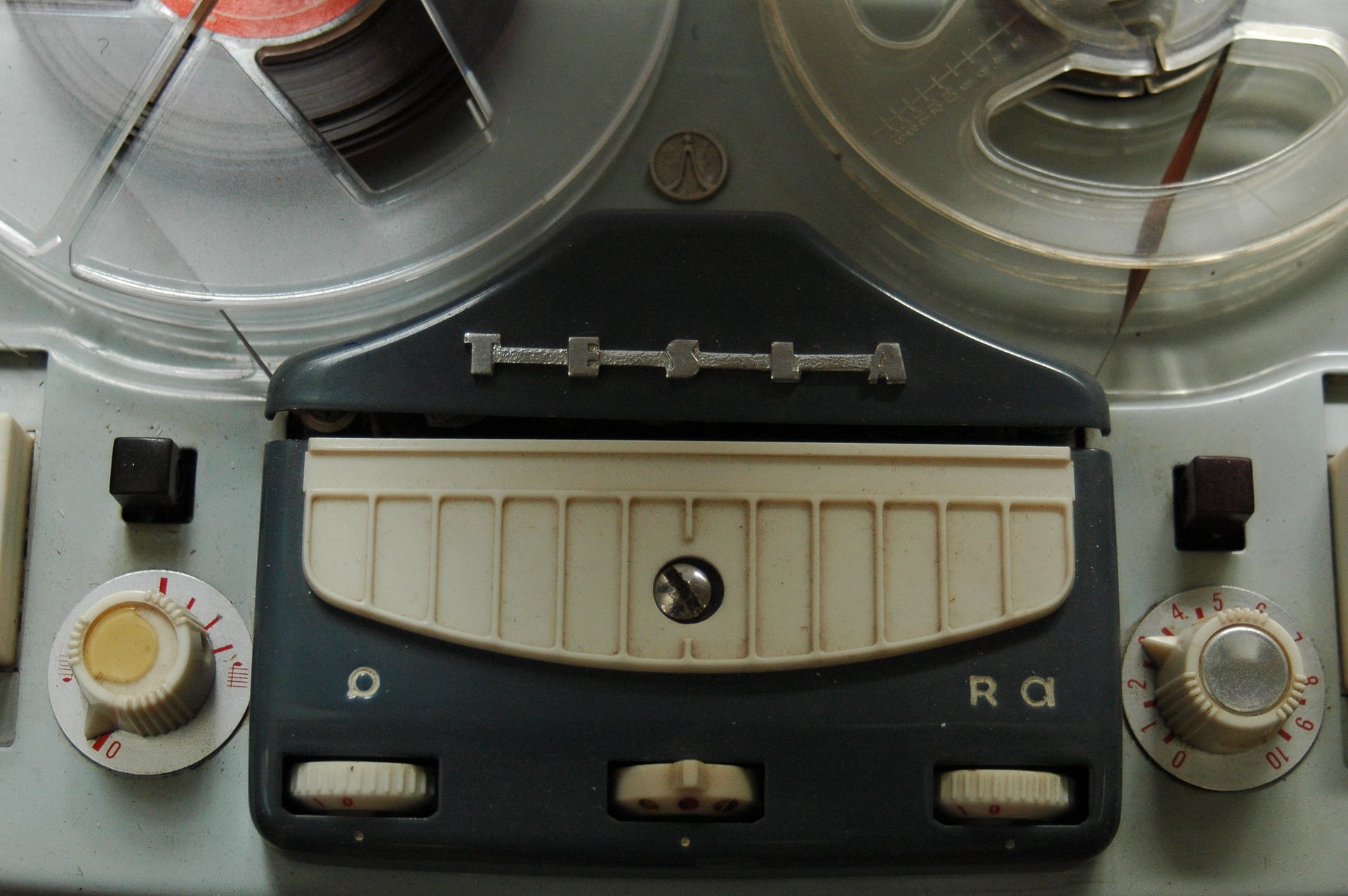
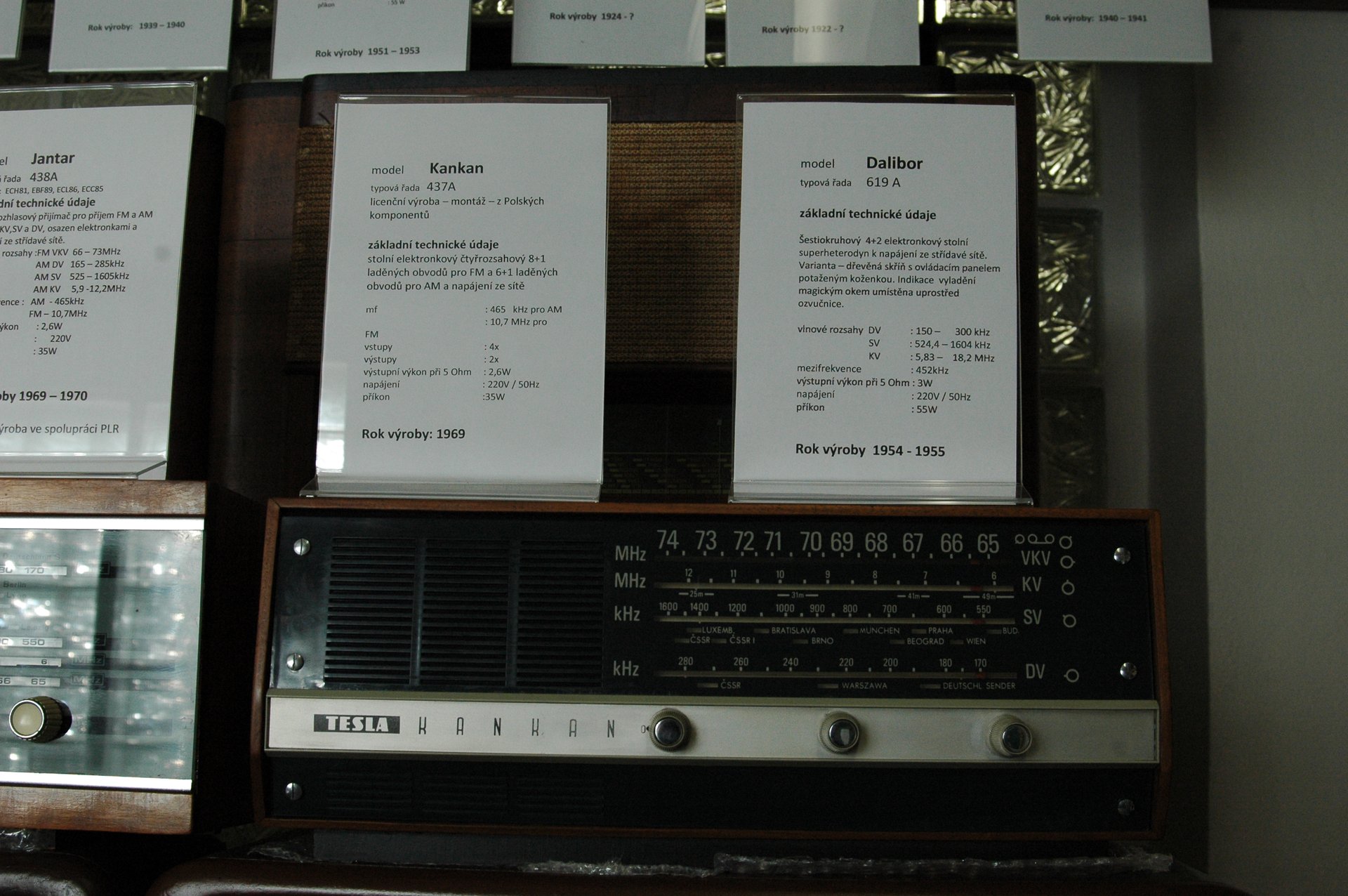
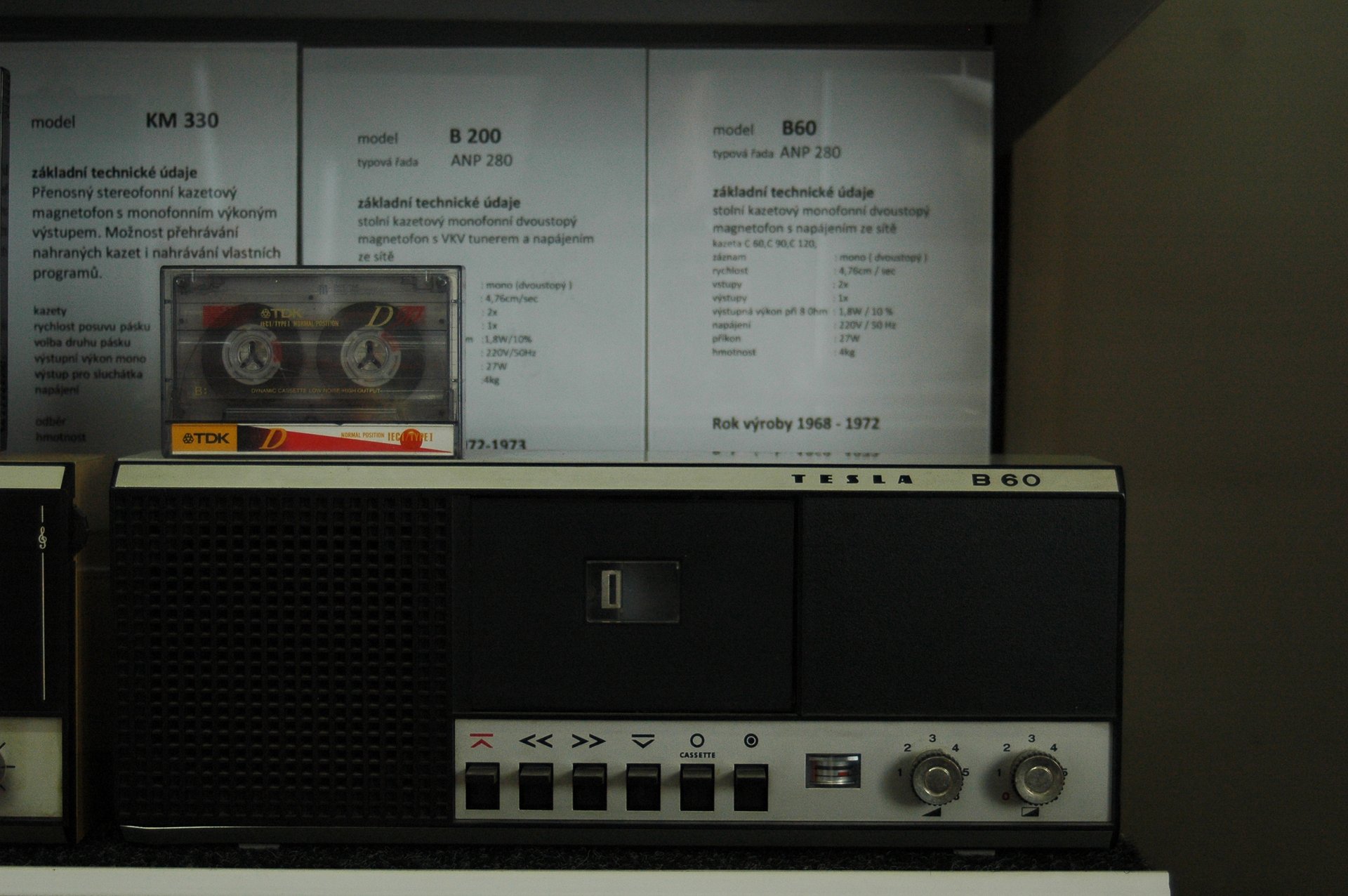
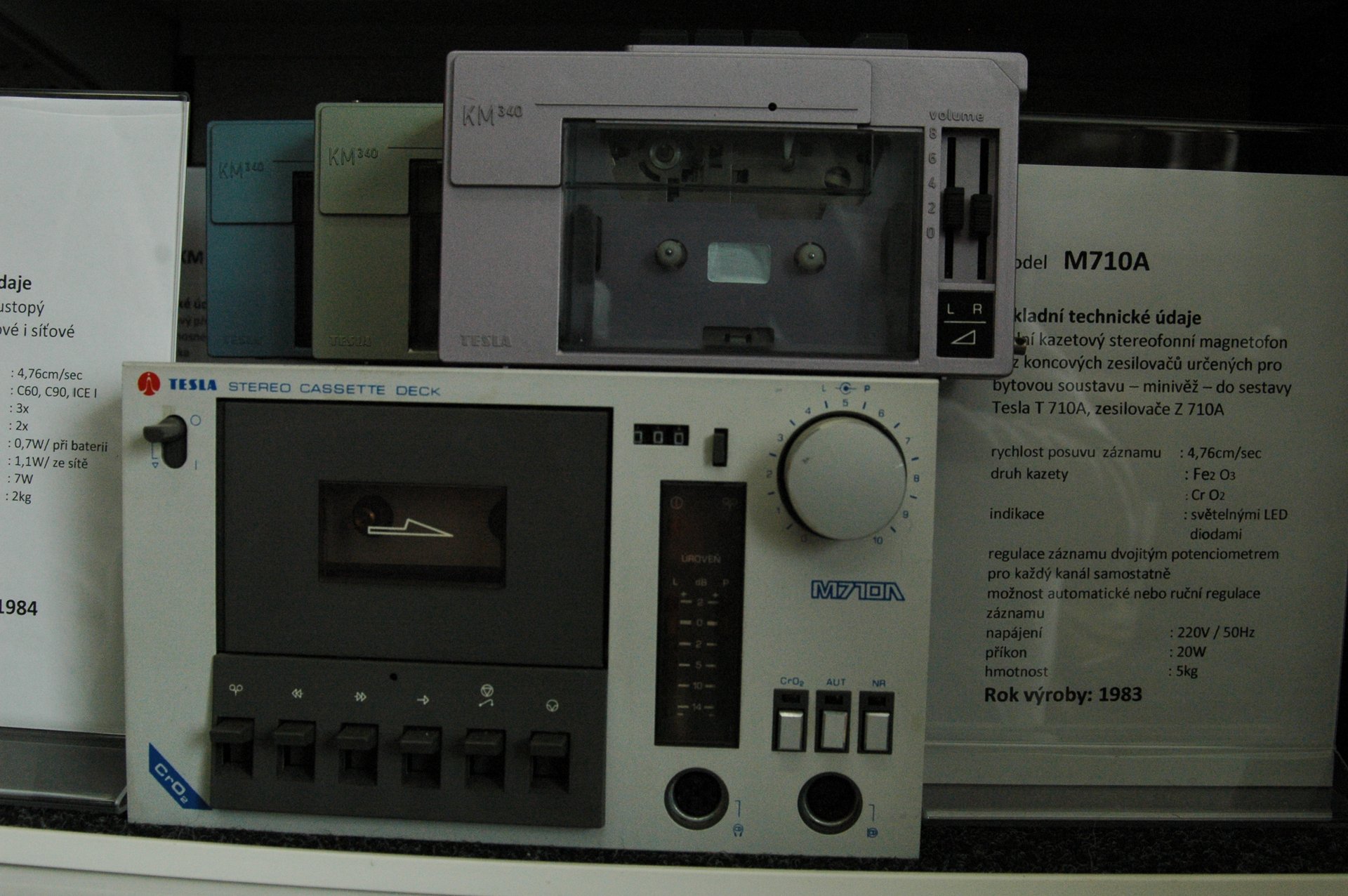
Because 25 years after the Revolution small kids don’t know what was taking place in Přelouč; they know nothing about Tesla Company. We were at the top of the production of electrotechnical appliances – mostly radios and magnetophones. The transistor radios produced here were quite advanced in their time and they are closely tied with local area. I don’t exhibit things produced in other places around the world. I would like to present the beginnings and development of transistor technology in Přelouč. There are not even any historical witnesses anymore who would be able to present the whole history and details of the production. I compile the exhibition from various sources, individual recollections of employees as well as from official sources.
What was it like in the beginning of the museum?
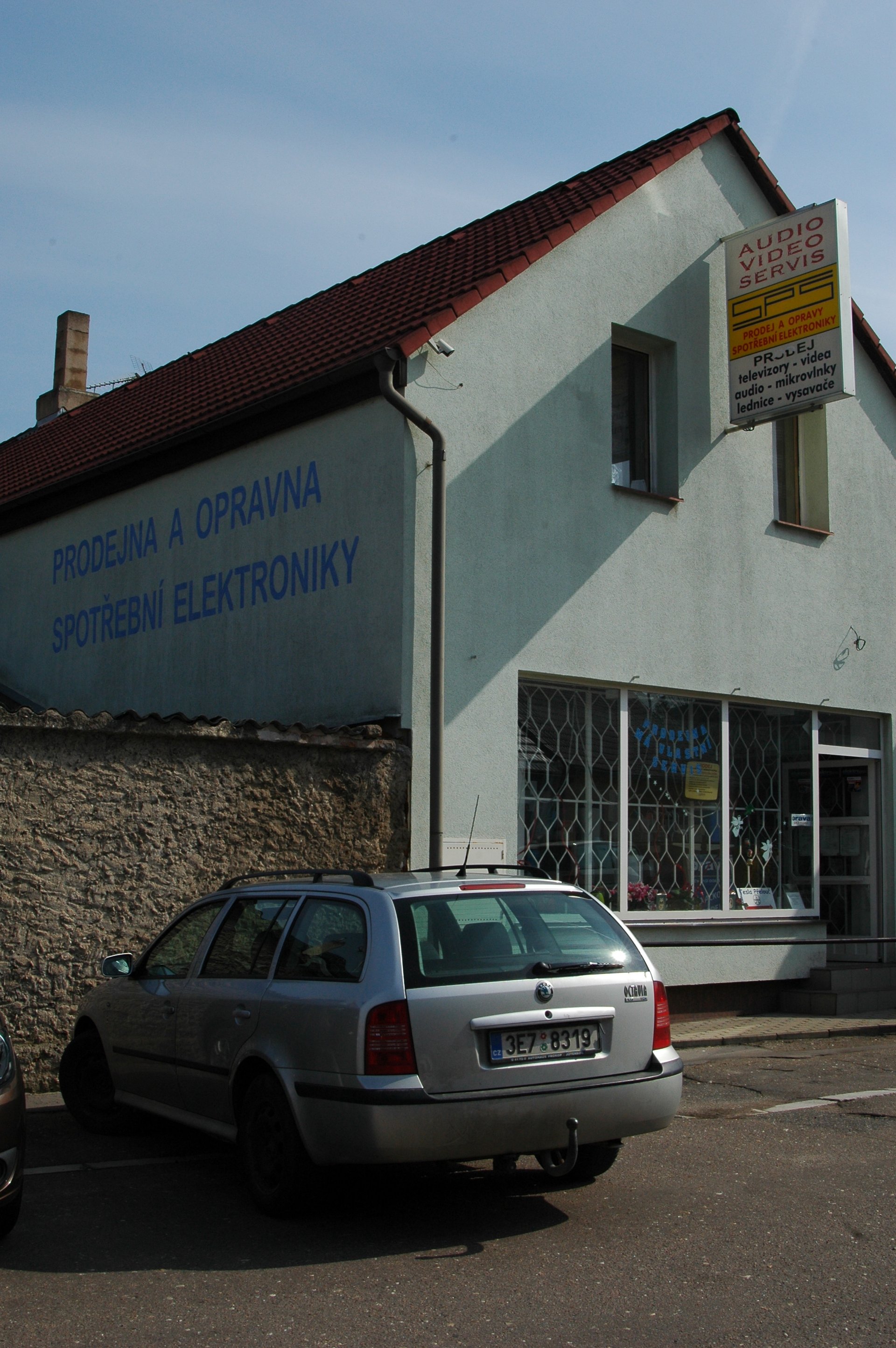
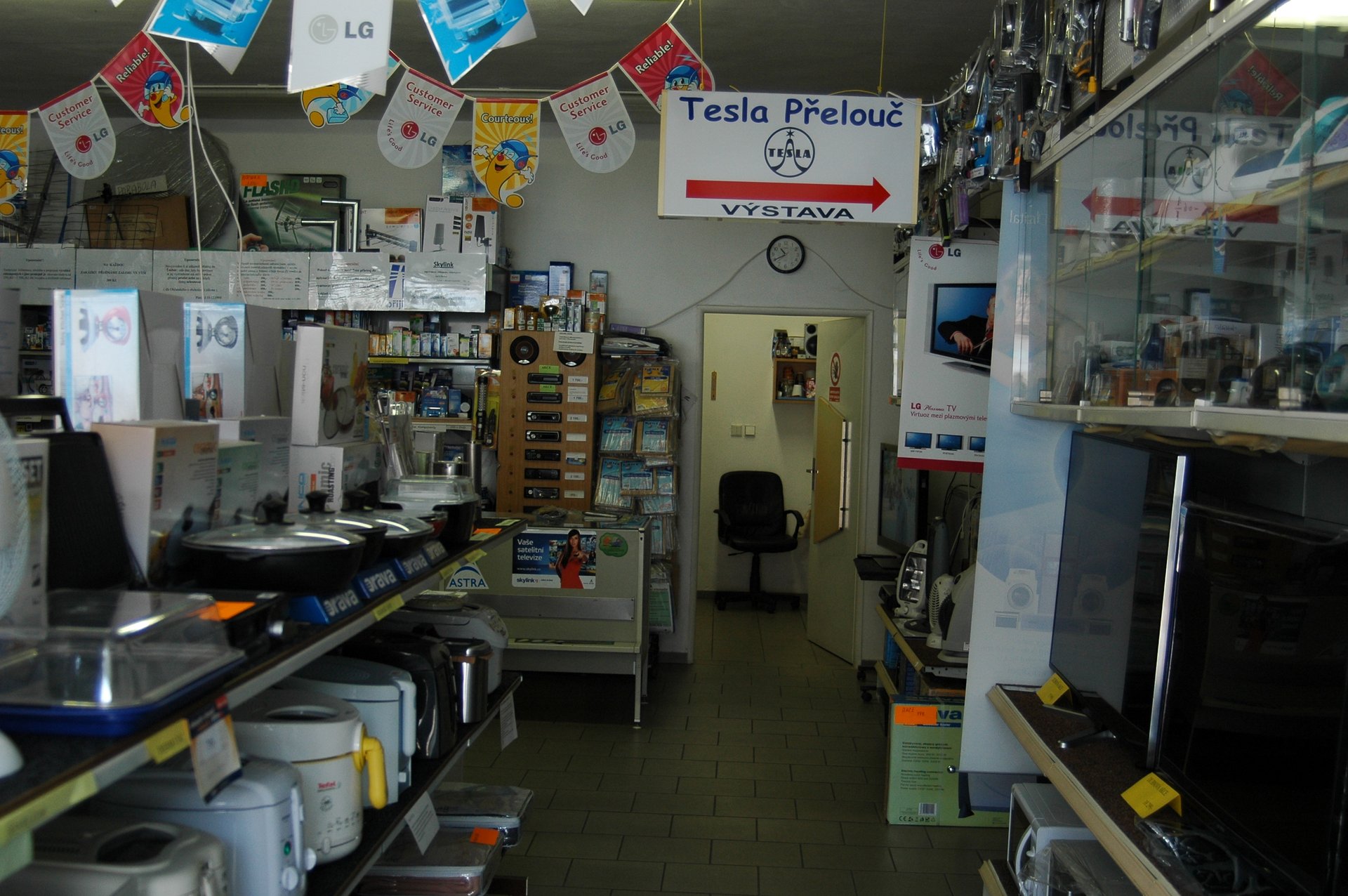
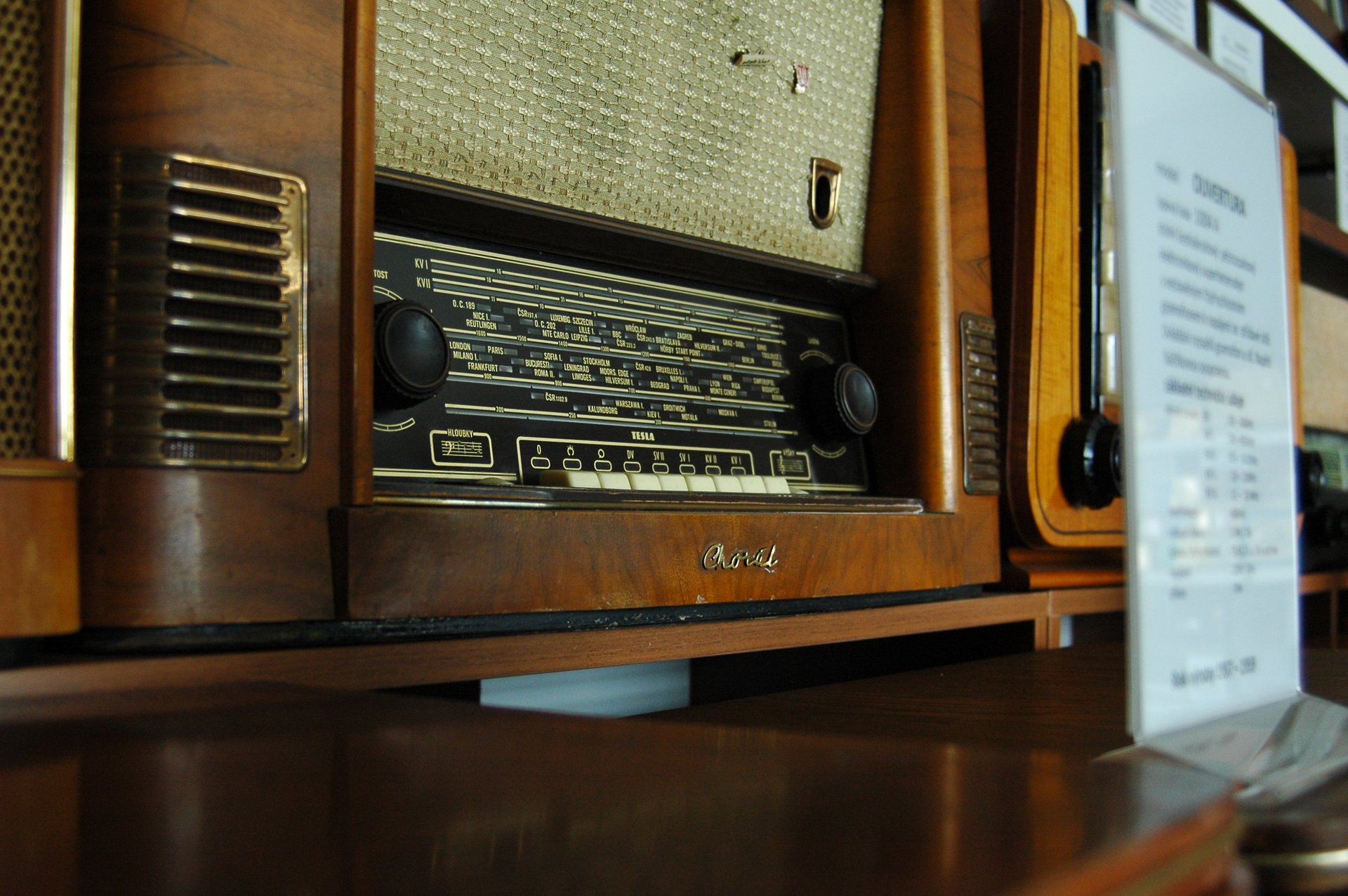
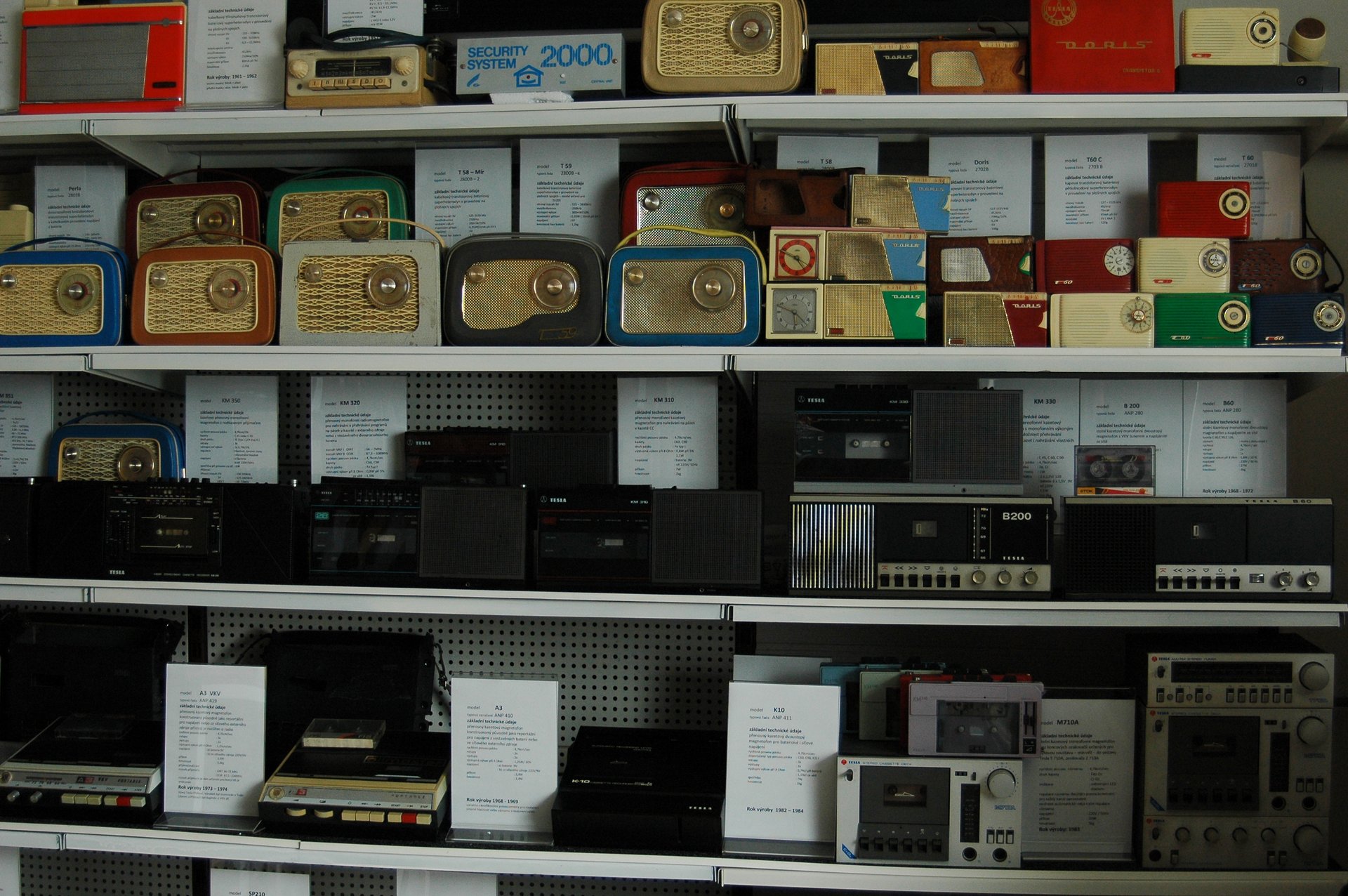
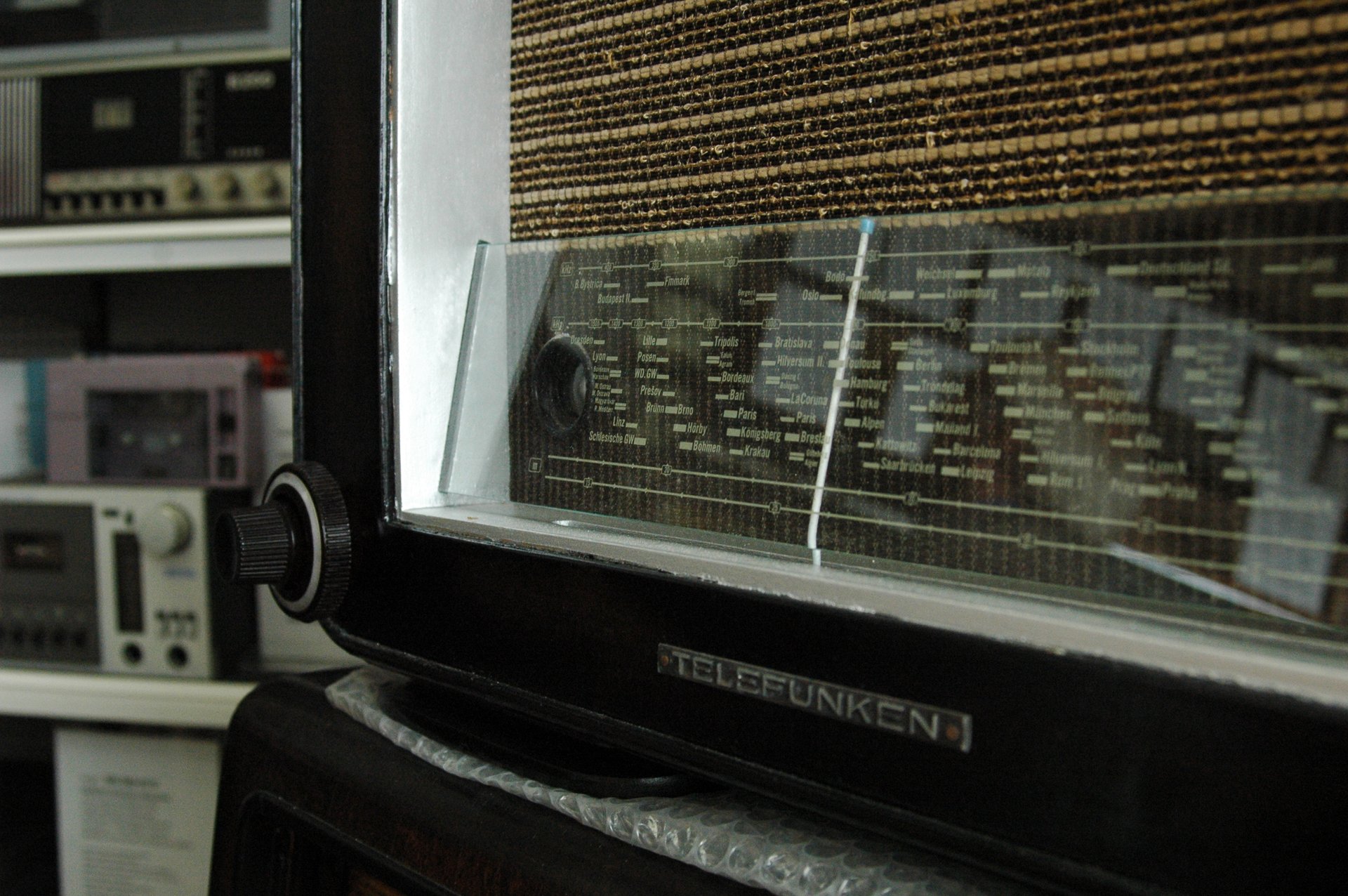
I was deciding what to place in the window display. I believe that a new product belongs to customer, but on the other hand, I thought it was a pity to show only a very small part of the older Tesla products. At the same time, people slowly started to bring over old radios and I started to systematize the collection. When I decided to found the museum I turned to 160 of „fellow repairmen“ coming from all over Czech Republic, Slovakia, Internet and pawn shops. As the collection was expanding the need for all sorts of documents was ever greater; otherwise I wouldn’t be able to put a lot of radios together. All the exhibited products are functional. At first it was supposed to be Tesla Přelouč Museum, but I’ve been told at the beginning that soon I won’t have anything to do or collect, because there had been only some 30 products made here that I would collect pretty easily. Right now I am counting 82 products and 60 of them are verified. But I realized it doesn’t make sense to do only a museum of Tesla Přelouč since there had been made products by Siemens and Telefunken as well. That’s why I have renamed the museum to Museum of Electrotechnical Industry in Přelouč from 1920s to today.
How do you collect the radios and other products?
I am going through all sorts of documents and look meticulously for products that could have been produced in Přelouč. I want to have documentation for everything because I don’t want the museum to be superficial. I talk with witnesses and I belong to the last generation that remembers something about the production. In order to make a product fully functional for the exhibition I need often a few more for spare parts. Not to mention the financial costs. But the whole museum bears a different kind of price tag today.
Within this technical area you have collection that is larger even than the one owned by National Technical Museum in Prague. Not to mention everything is functional. How do you take care of the collection; do you lend the exhibits to other exhibitions?
No, I don’t. People keep asking for it, but it has ever been only the worst experience. Some of the products are really unique. The piece I own might be just the only one available in Czech Republic and I am not really keen to see it travel. It might be very well insured by insurance company, but it’s still irreplaceable. I have put all my money into the museum and I always think I am done, there is nothing to collect anymore, but it’s never really the case. For example, only yesterday I came across another product with a magnetophone that had been produced in Přelouč.
So you won’t lend anything even in the future?
No. What you see here – I don’t want to have it moved. Some of the radios are repaired using spare parts of seven radios. It’s restored wreckage. If something gets lost I won’t be able to lay my hands on it anymore. I do sometimes lend those products I have in five pieces or more. I am bringing all sorts of documents together for every product and everything is assembled from the original parts. It’s not simple.
How can one exhibit something like that?
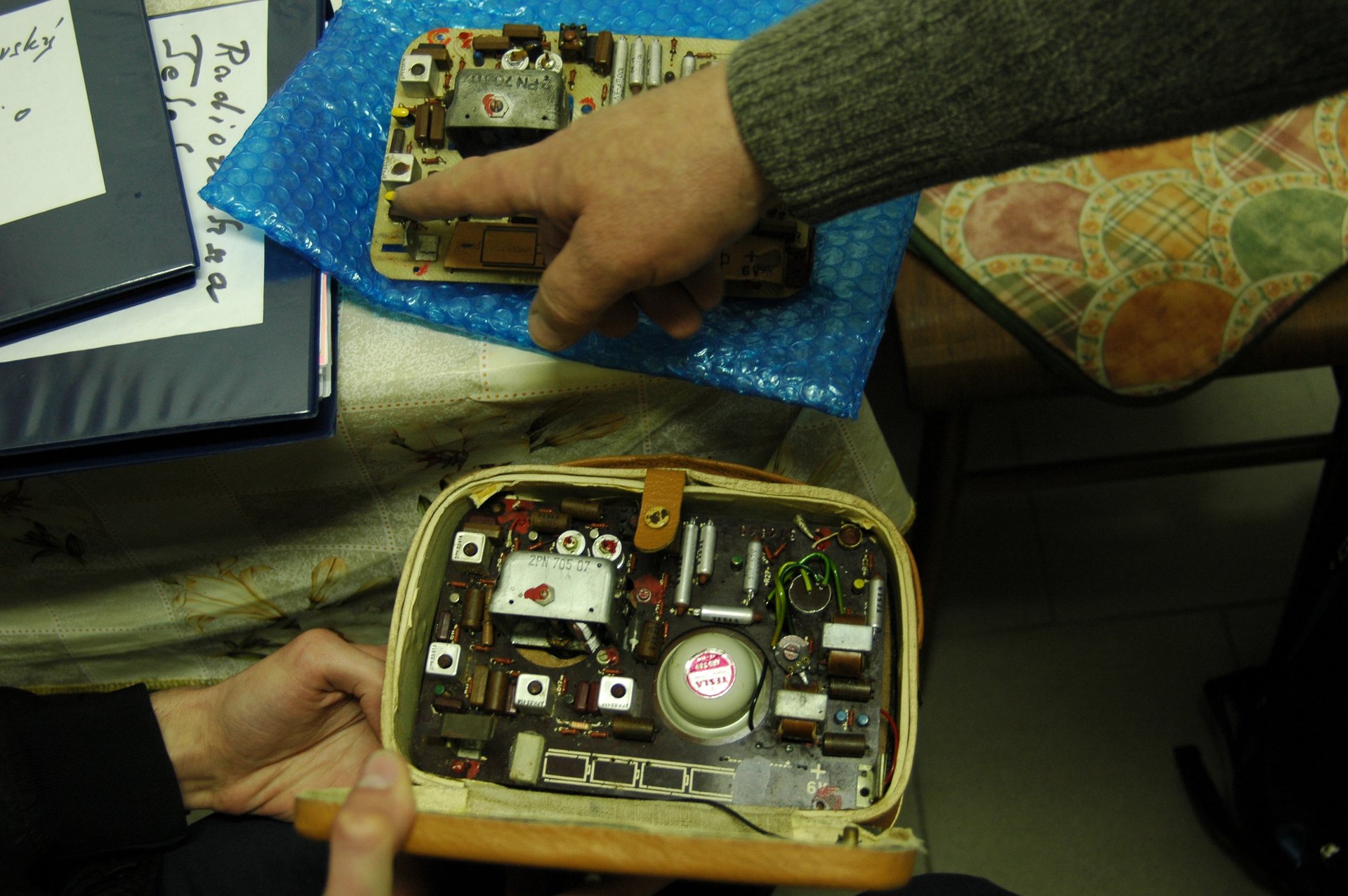
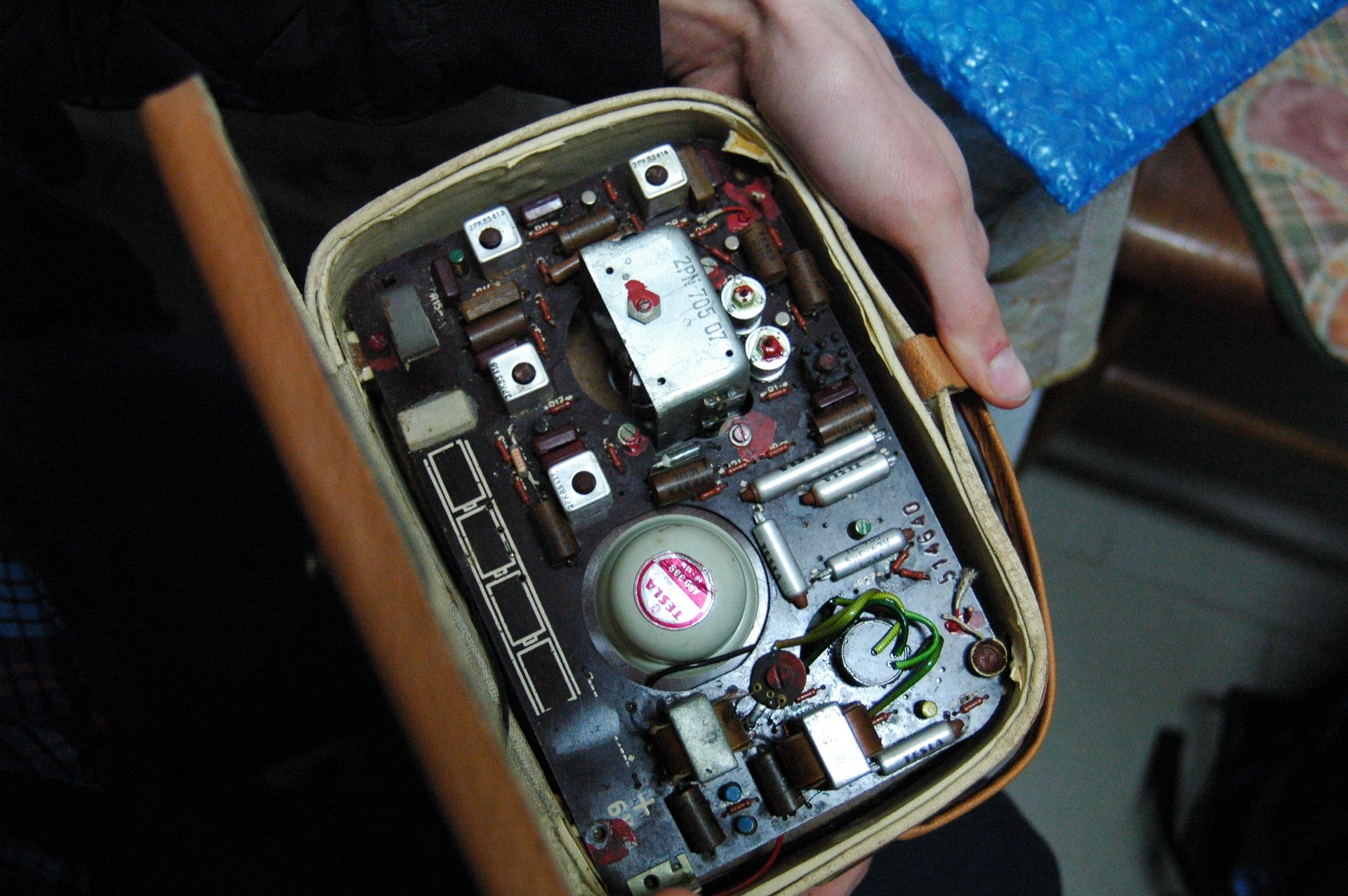
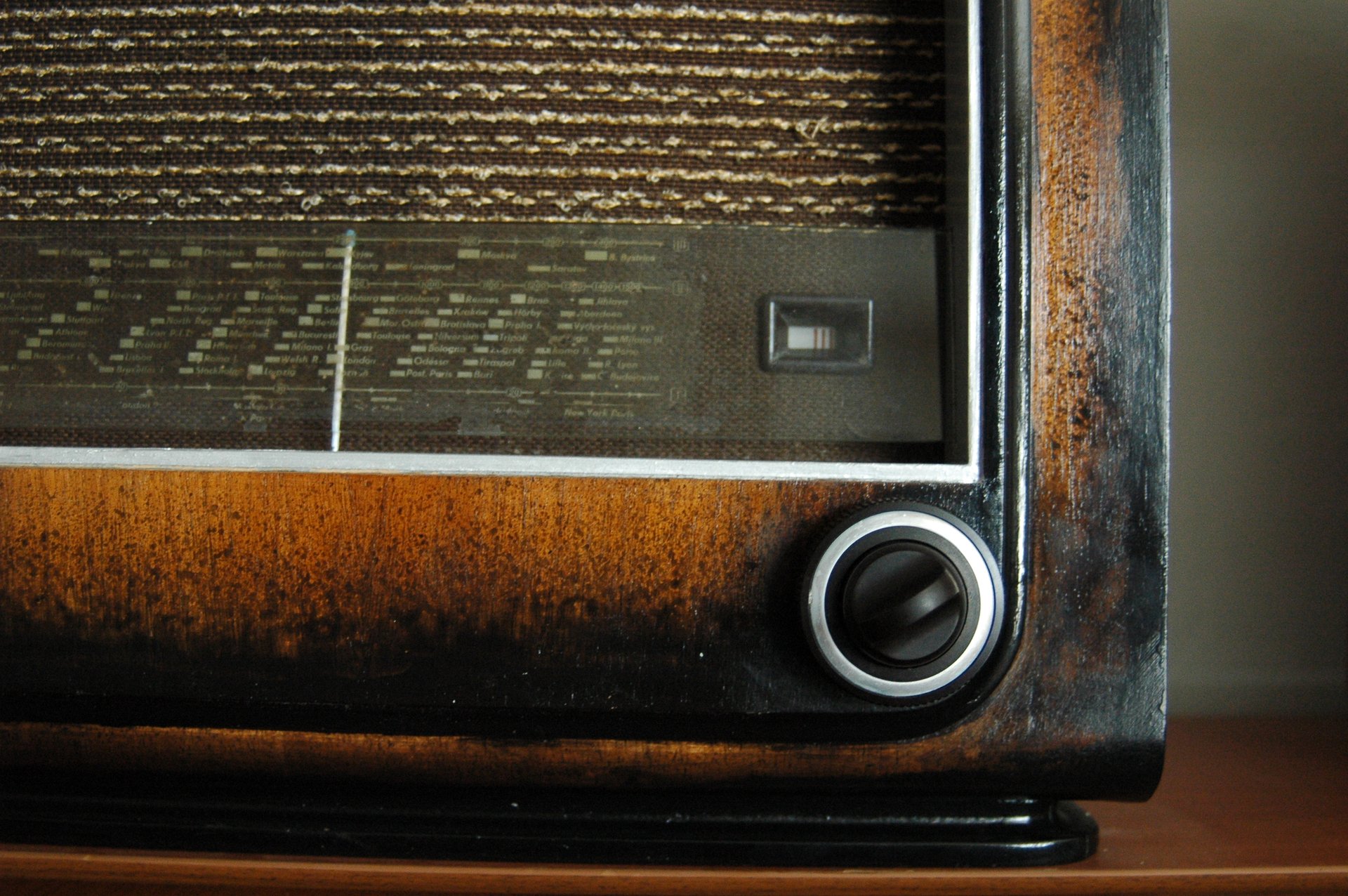
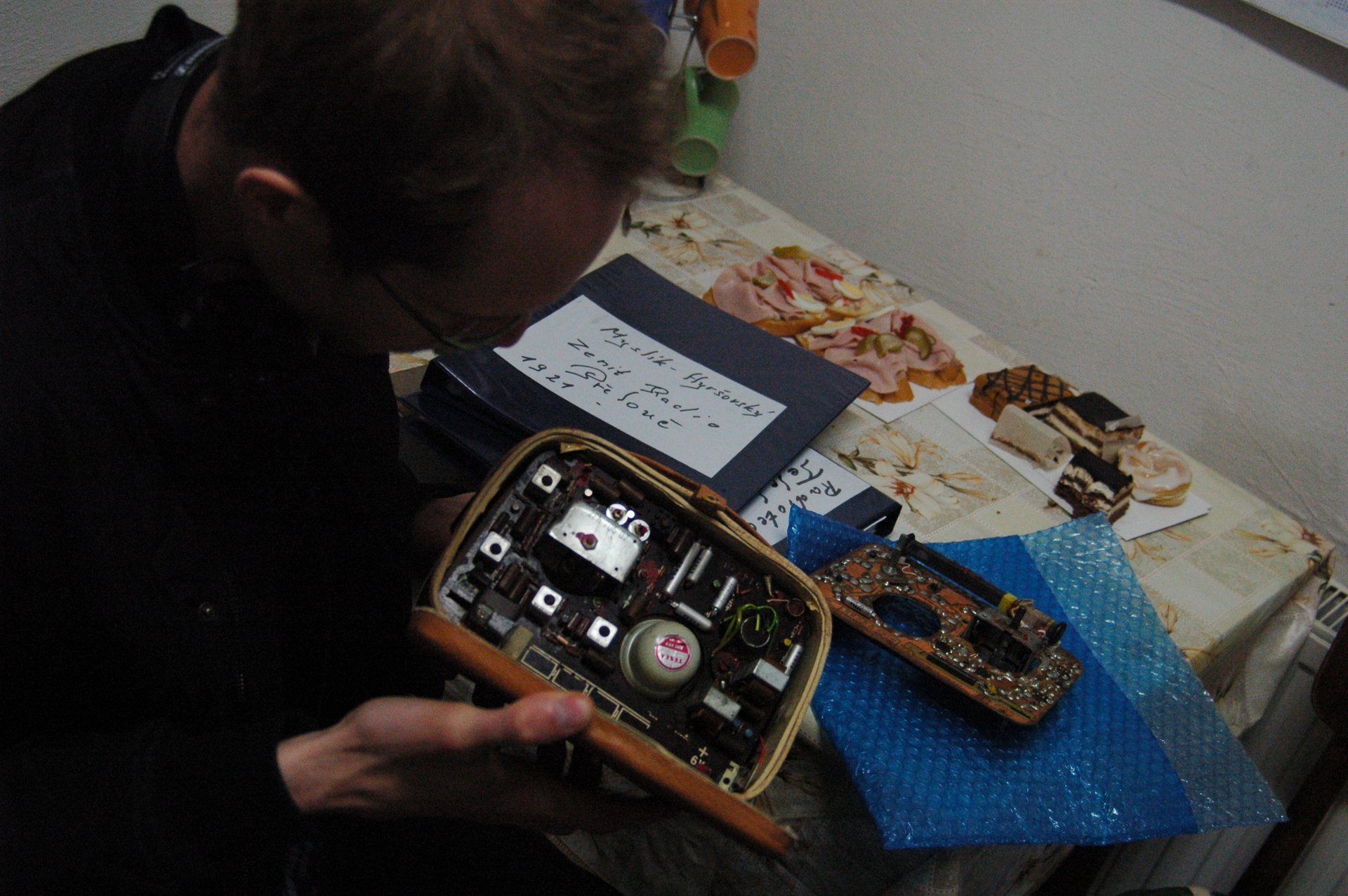
People these days use things as hard users. I am interested in technique as a language – how does one explain integrated circuits? By showing the content of the product and not just the box. To show only a casing of radio labeled Tesla Přelouč doesn’t make sense. It is important to understand what takes place inside. If you happen to know it, it is also easier for you to repair it, which interests me. I am a repair man by profession.
After repairing radios your whole life, is it difficult to switch to repairing the LCD TV sets?
The circuits didn’t change much, I keep on repairing the flat screen; one only needed a little information.
Do you have a successor for your museum?
I am deluding myself a bit that the municipality will take care of it partially. I have a plan for the museum to prevent stealing it away but I don’t want to talk about it too soon. I want to hand it over along with the building when the right time comes. I would also like to extend the museum to the entire house: Here, where you are sitting, would be a place for Telefunken and Tesla Přelouč, next to it printed circuits and special military production. There is not even enough space for all of that. There is always only one version of the product, but I have other, color versions as well.
Are you in touch with some foreign collectors?
Nobody collects Přelouč, or let’s say that some collect only the magnetophones or only the transistor radios, but nobody collects the whole of Tesla Přelouč production. Besides that, I am interested in graphic design of flyers, documents, advertisement and user manuals. I try to collect them as well to go with the radios in order to have the collection complete.
What happened to Tesla in 1990s?
In 1990s it seemed that Tesla brand was discredited and would adopt a new name. So they changed it to Elektronika Přelouč – but it didn’t help. Tesla and the whole production ended badly.
How many radio amateurs are there in Czech Republic?
There is a club of radio amateurs based in Třešť; I myself meet regularly with people from hi-fi club. We show to each other what we do and visit each other. I liked, for example, how they did exhibition „When the World Was Encircled by Tapes.“
What is your vision of museum?
I want to see continuity in museum and what is inside a radio; that’s what I would like to focus on now.
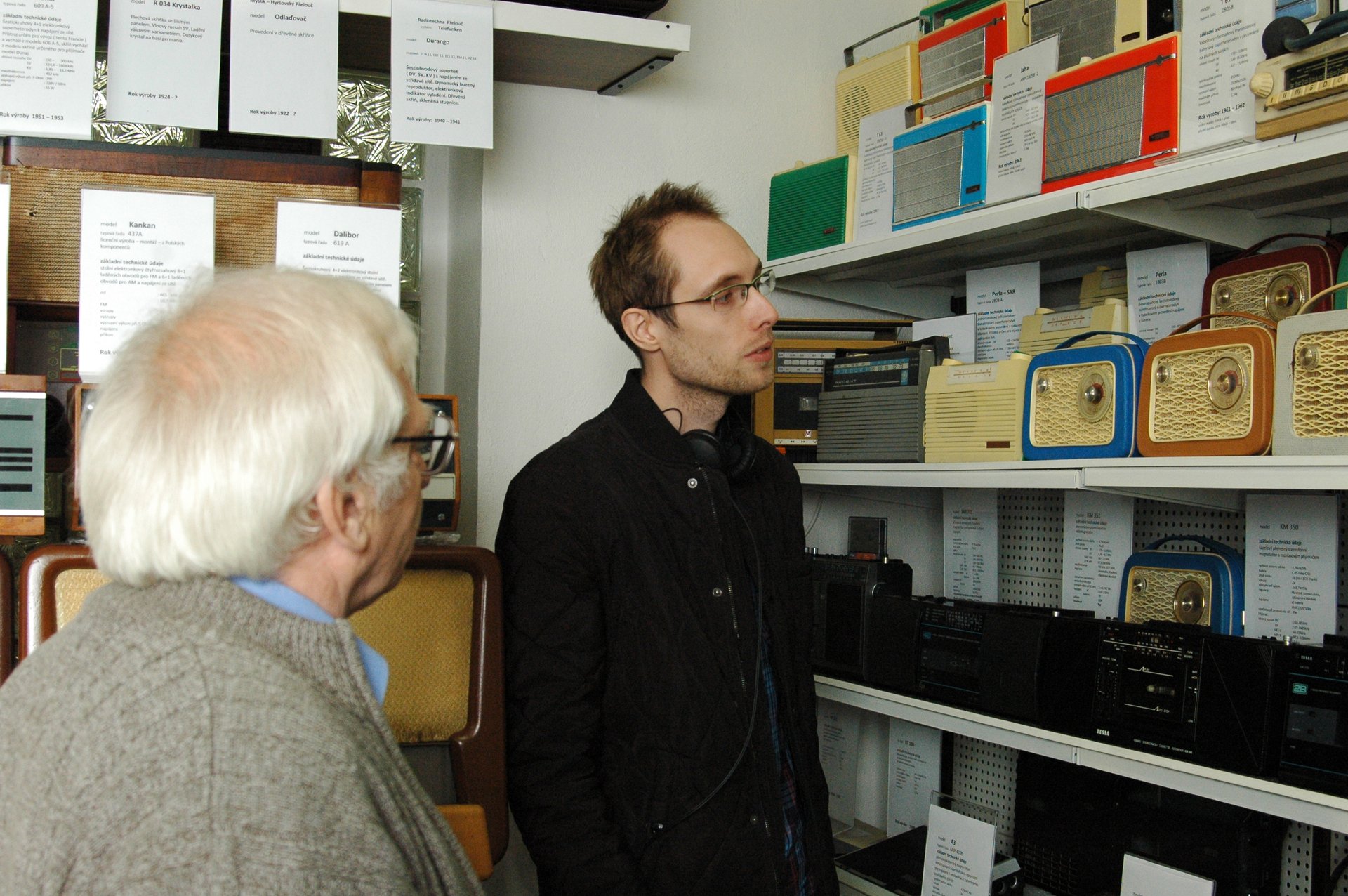
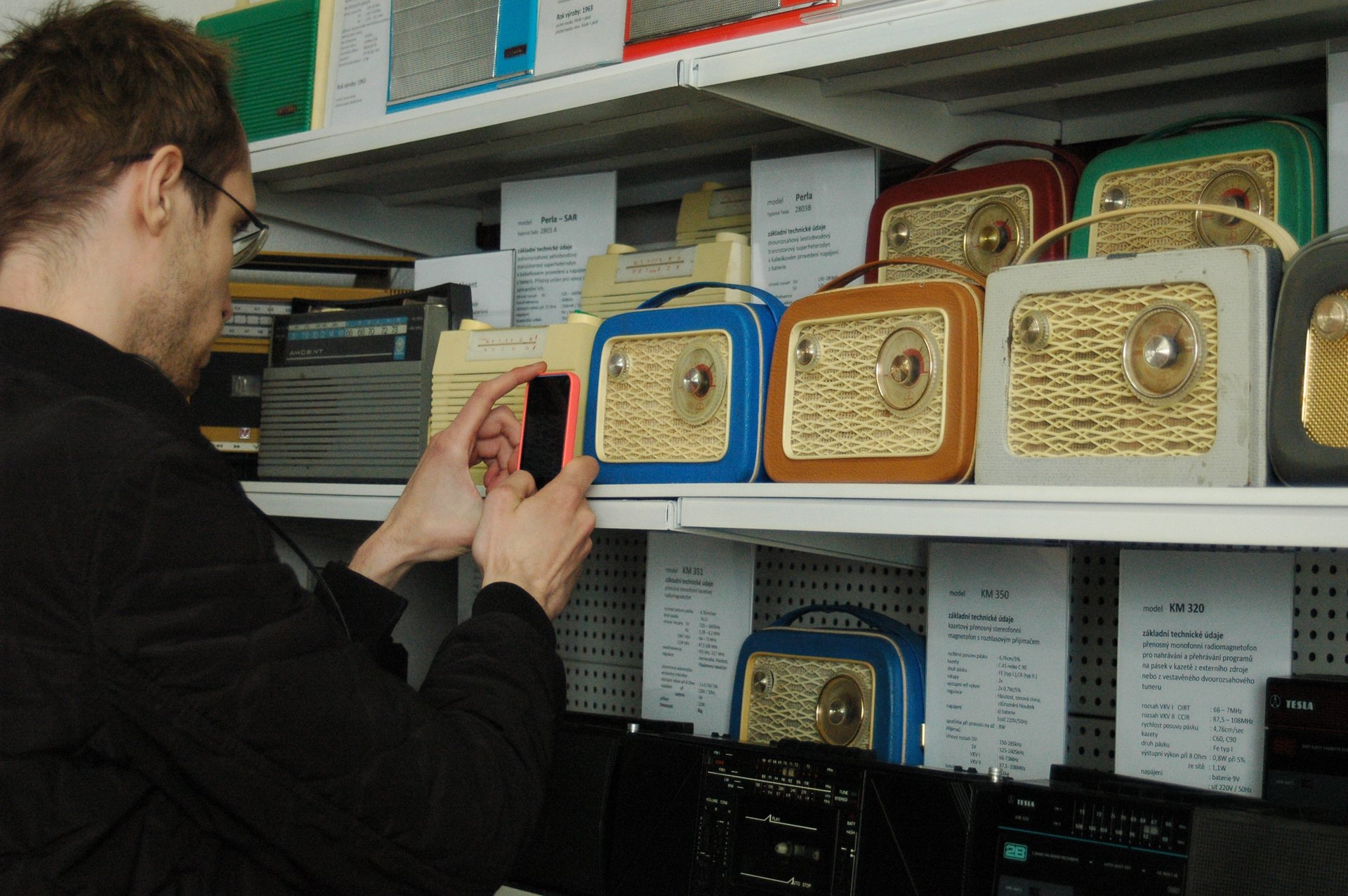
PETR SCHEJBAL: “I DON’T PHOTOGRAPH IT; IF SOMEONE WANTS TO SEE IT, S/HE CAN SEE IT IN OUR MUSEUM…”
NJME: NOT JUST MARGINAL ENTERTAINMENTS
“Not Just Marginal Entertainments” (NJME) present the situation and standing of various cultural organizations. Beside the big institutions Artyčok deals with intensively and critically, the attention shifts to places that difference in their functioning, activities and financing in common. NJME explore the roles of contemporary institutions, their visions or the lack of them, and the reasons for their operation. They look for changes or, conversely, stagnations and the reasons for them; a stigmatization by past as much as following tradition and history.
The original project by Barbora Ševčíková will focus, for example, on a private museum of radios, a graphic design show or an independent gallery. It shall take a closer look at the situation they find themselves in, the ways of their financing, as much as the approaches to the management of a cultural organization. The selection of videos and photographs is left to the individuals in the question and their judgment in presentation of their work.
EXHIBITION CREDITS
Author of the Project / Curator: Barbora Ševčíková
Author of Texts and Photographs: Barbora Ševčíková Online Presentation Concept, Editing and Realization: Lenka Střeláková
Translated into English: Palo Fabuš
Published: 8. 7. 2015