Are we able to define the limits of our compassion? Our attention is constantly besieged by an infinite stream of the news cycle. A human being’s physical and mental capacity to take all this in has clear boundaries, though. Demands of the omnipresent information flow expected from us seem to be entirely beyond acceptability. Yet we feel obligated to stay updated, considering it a necessity. Therefore, many people speak of the term “compassion fatigue,” a state of mind when one cannot process any more dire news and naturally withdraws from attention and sympathy.
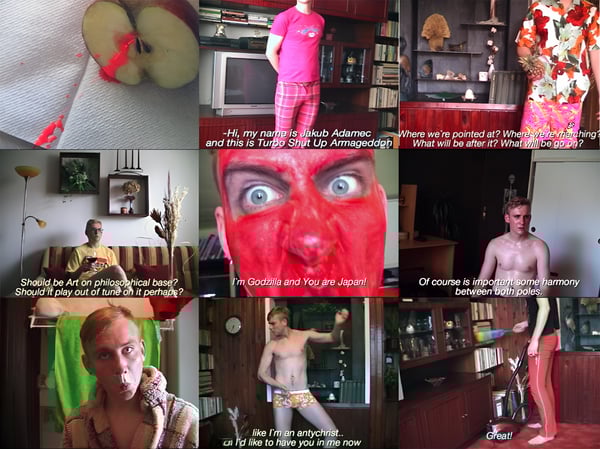
The exhibition “Compassion Fatigue Is Over” presents the next step in the ongoing program “Rudolfinum_Time-Based“. A series of narrative videos and films, alongside architectural interventions in the gallery’s historical space, aims its attention at a set of essential topics of our times. Issues of race, labour exploitation, re-evaluated historical narratives, sexuality, and gender, fallen and rediscovered utopias or abstract thinking vital for any rational judgment. In contrast to everyday media reality’s disturbing noise, the exhibition gives space for a favourable reception of these themes’ given artistic interpretations. The gallery’s safe space provides conditions for a slower, more attentive appreciation of the given content than one could ever experience in the quotidian rush.