Introducing Free Radicals
Free Radicals is a hybrid, collaborative toolkit—part manifesto, part gathering space—for artists, designers, curators, and cultural practitioners across Europe who seek to engage more deeply with plant biodiversity. Developed as a situated response to our ecological present, it offers tools and practices for working with plants not as decorative motifs or raw materials, but as living participants in shared worlds.
The toolkit serves as a resource for embedding biodiversity into creative processes, foregrounding ecological entanglements, cultural memory, and multispecies care. It explores the significance of plant life—its histories, intelligence, and contributions to resilient ecosystems—while offering guidance on ethical sourcing, sustainable practices, and generative justice in the creative sector. It is a proposition for how we might think, feel, and act otherwise in a more-than-human world.
– with Sasha Strelec (Haenke)
Art as a vehicle for social change
Arts and culture don’t just reflect the world — they shape its future. Through concerts, exhibitions, and performances, creativity transforms complex ideas into tangible experiences, sparking emotion, understanding, and action. Today, in the face of ecological and cultural loss, it’s more urgent than ever to fuse artistic and scientific knowledge. How can creative practice become a tool for biodiversity and care?
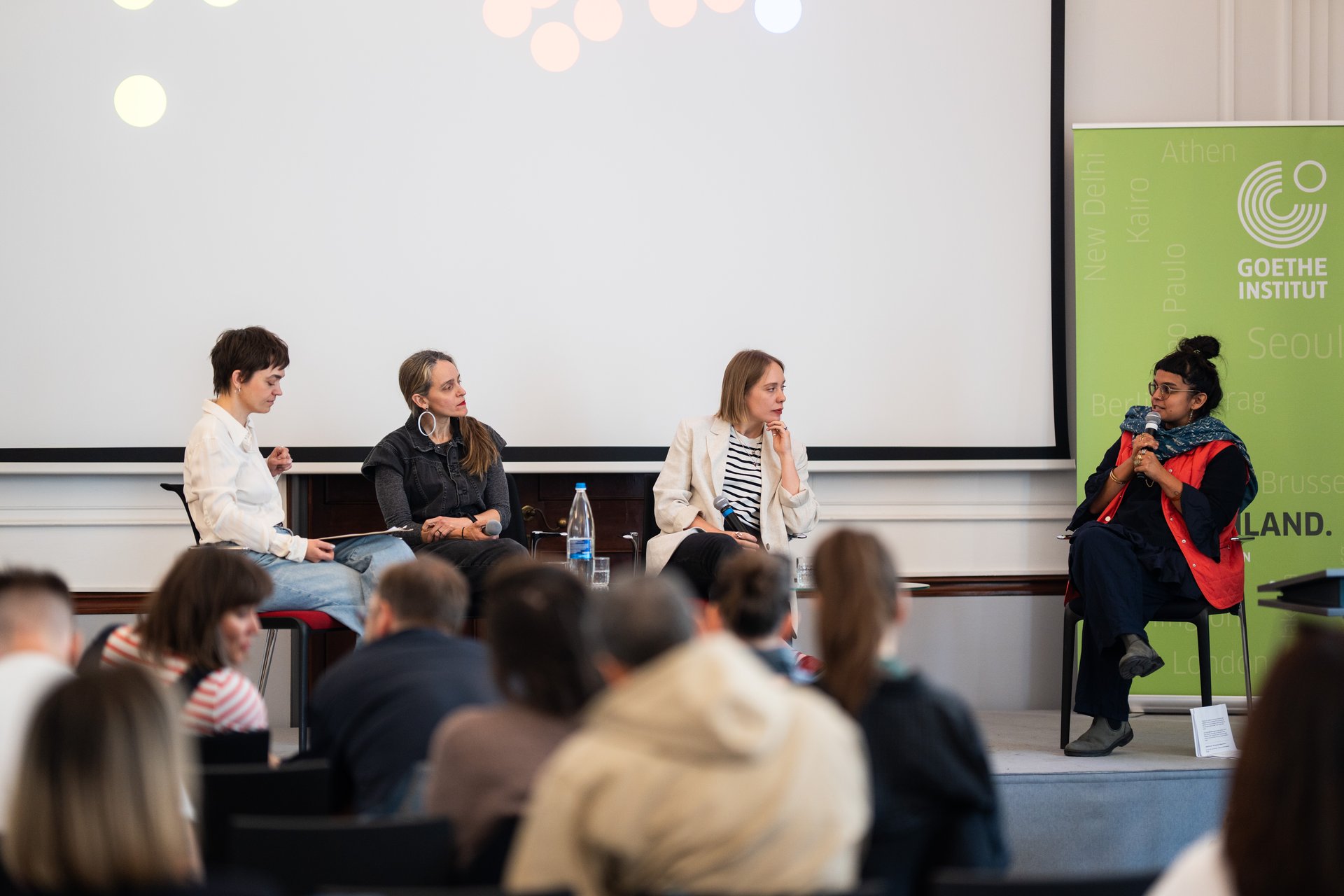
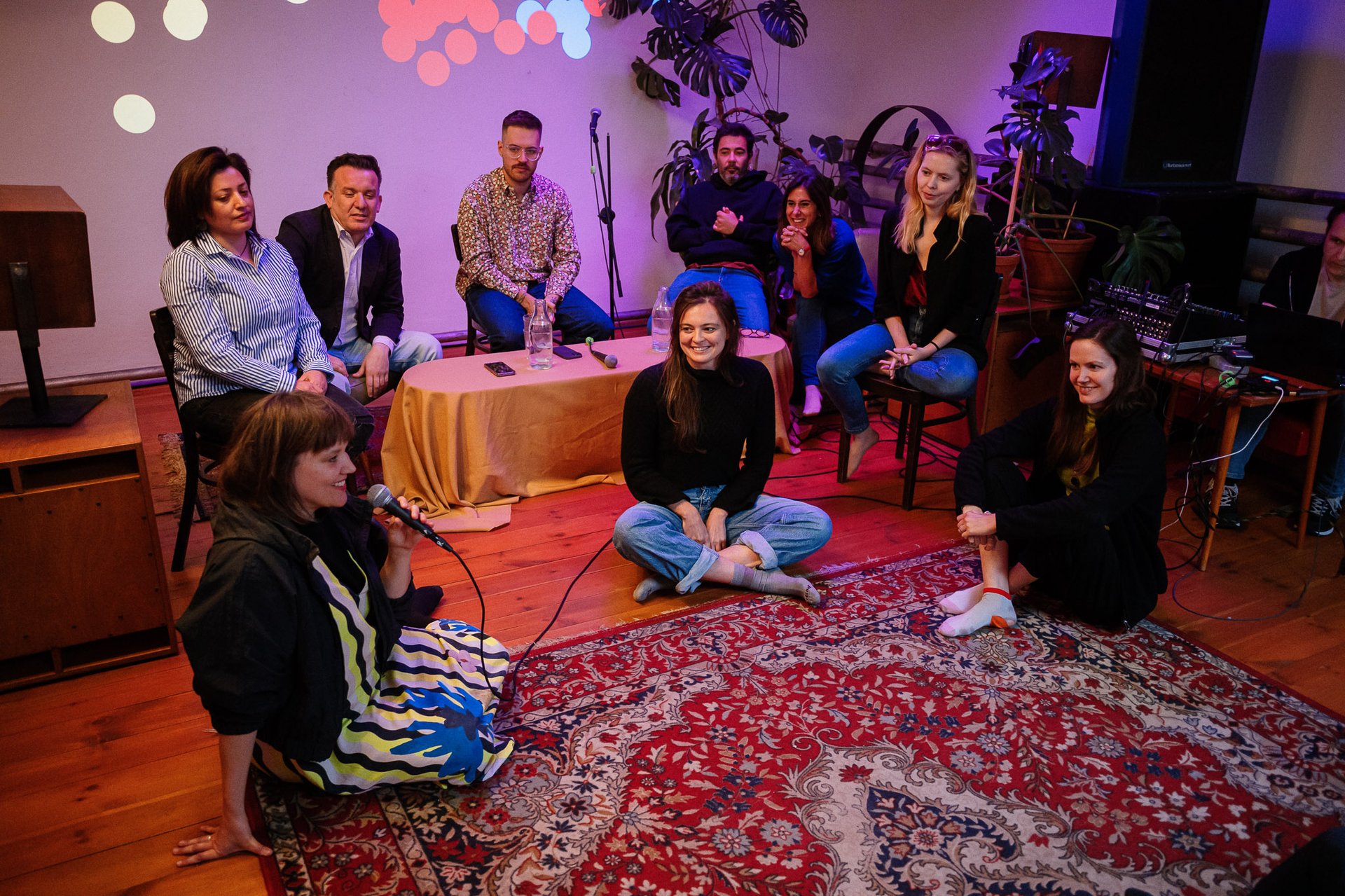
In this session, we’ll hear from five non-profit organisations rooted across Europe — from the mountains of Galicia and the rural heartlands of Armenia to the forests of Portugal and the cities of Berlin and Budapest. Each of them brings a distinct practice — in poetry, permaculture, sound ecologies, urban systems, or visual arts — yet all are united by a shared commitment to reimagining the relationship between culture and the living world.
The following speakers participated in the discussion:
Uxío Novo Rey + Branca Novoneyra (Fundación Uxío Novoneyra)
Beatriz Manteigas, Antonio Nunes (Quinta das Relvas)
Lilit Stepanyan (Today Art Initiative)
Bálint Antal + Fruzsina Deszi (Pro Progressione)
Hanna Grześkiewicz, Yasemin Keskintepe (Sonic Tomorrow)
Interdisciplinarity as a method
As species vanish, landscapes degrade, and traditional knowledge systems are sidelined, transdisciplinary collaborations offer fertile ground for developing new methodologies and frameworks of care and repair. At this intersection, creative practice is not simply a form of expression it becomes research in its own right: sensitive to ecological complexity, rooted in place, and capable of transforming public discourse.
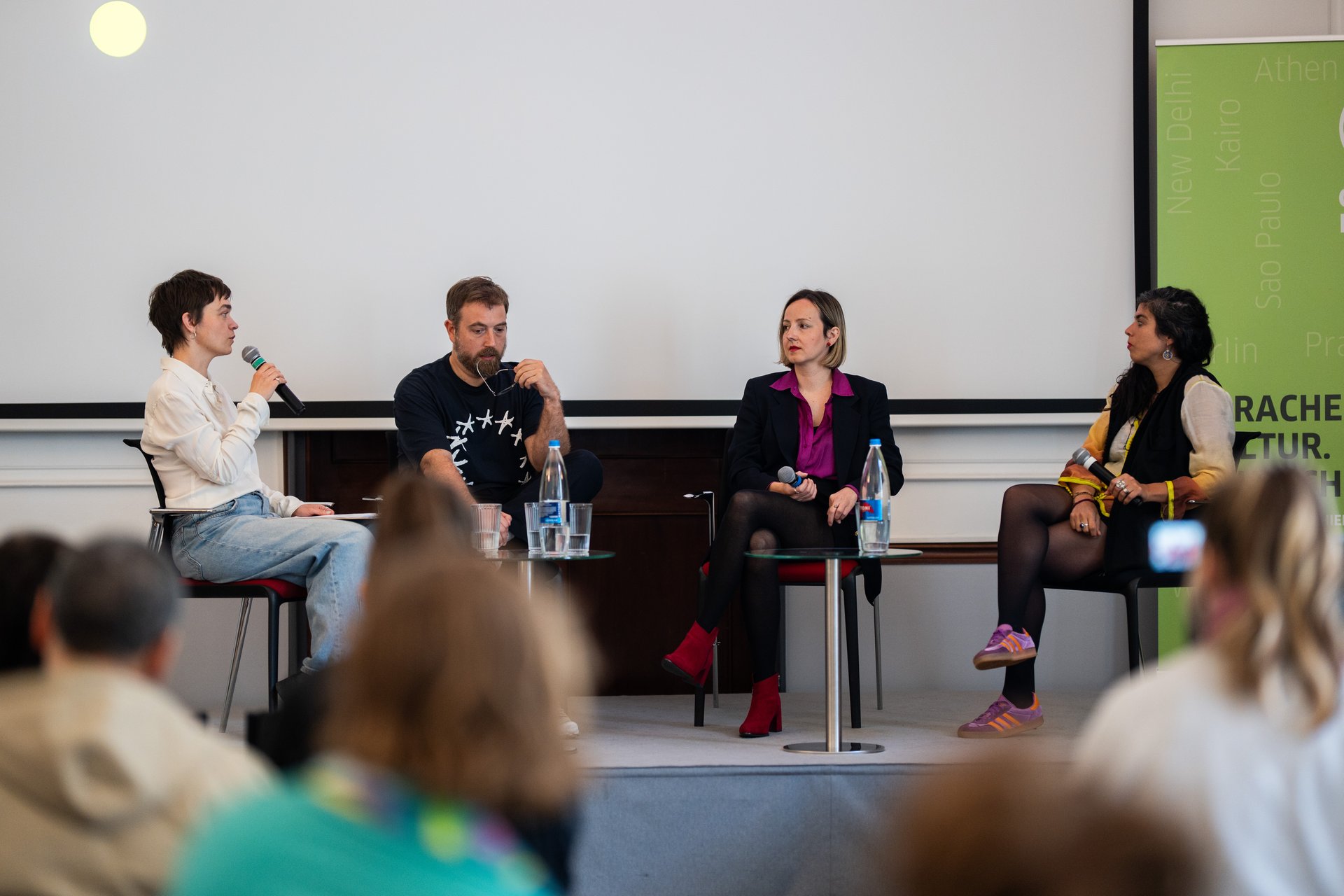
This session will unpack the practical and theoretical implications of working across disciplines. While scientific research offers the rigour and depth of evidence-based understanding, the arts have the power to render complex ecological puzzles graspable through emotion, story, and sensory experience. How might these two worlds better inform each other — not just for the benefit of humanity, but for the flourishing of other forms of life? From indigenous cosmologies to institutional innovation, we follow the threads that might hold the world together.
The following speakers participated in the discussion:
Marina Guzzo (Lab Corpo e Arte, Federal University of São Paulo - Freie Universität Berlin)
Tara Lasrado www.arvae.ch
Denise Bianco (Innovation Management, Central Saint Martins, London)
Moderated by Tereza Havlínková (Czech Radio Wave)
Green gold: plants in the name of profit
Plants have long stood at the crossroads of knowledge and power. From forest pharmacopoeias to laboratory-derived extracts, our relationship with plants has been shaped by cycles of care and commodification, reciprocity and extraction. But who really owns nature - and who profits from it—and at what cost?
This session opens a critical dialogue on the futures of plant knowledge beyond extraction. We’ll trace the histories and futures of plants that have moved—voluntarily or forcibly—across borders, and explore the frictions between biocultural heritage, intellectual property, and environmental politics. As traditional knowledge becomes both a resource and a site of contestation, how can we co-create futures where plant knowledge is not extracted for profit but held in trust?
The following speakers participated in the discussion:
Kenza Benabderrazik (ETH Zurich - SAE Greenhouse Art-Lab)
Gaja Mežnarić Osole (Krater Collective)
Ivana Papić (Klasse Klima, UdK - Berlin)
Julien Antih (University of Montpellier / Haenke)
Moderated by Tereza Havlínková (Czech Radio Wave)
More on the symposium
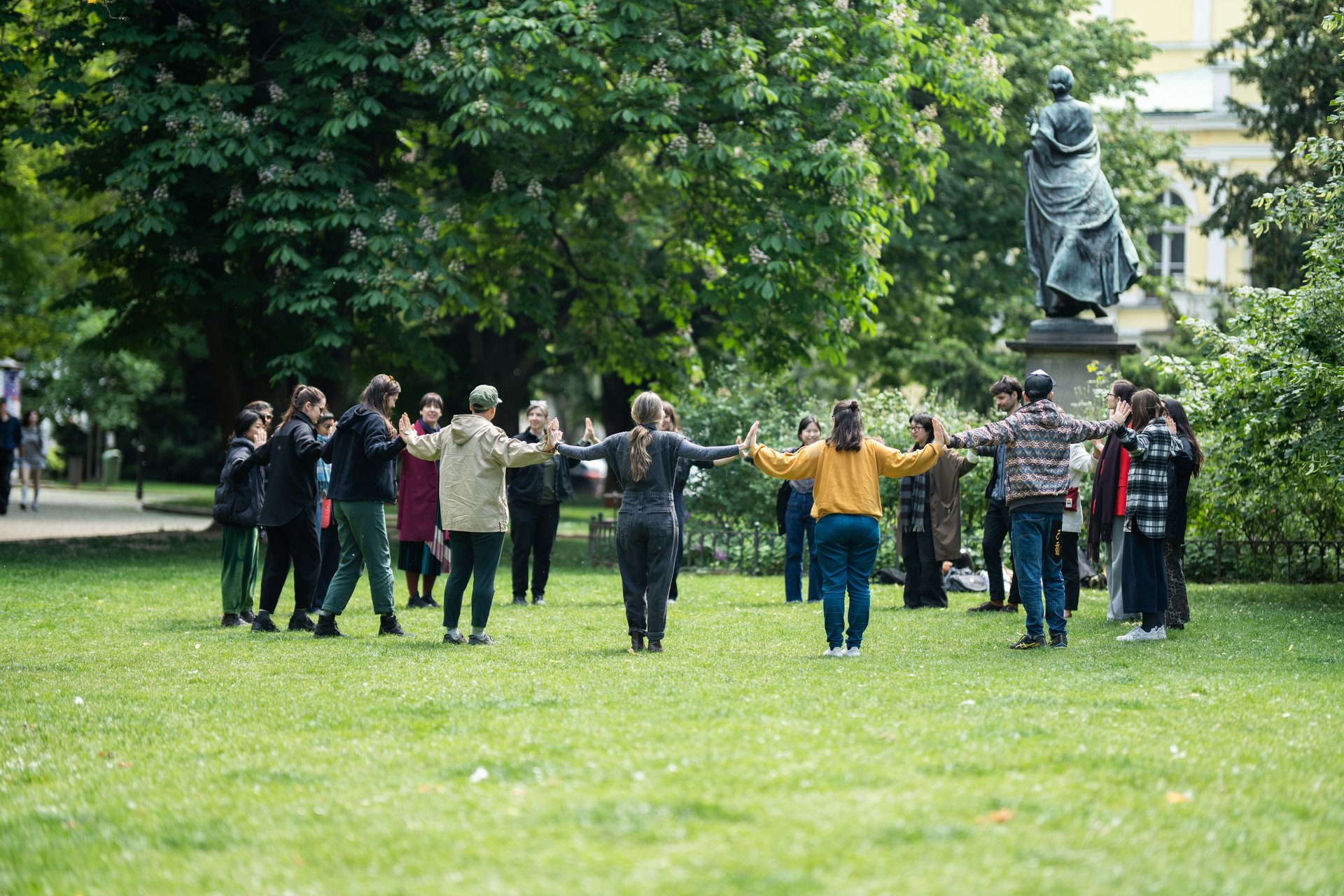
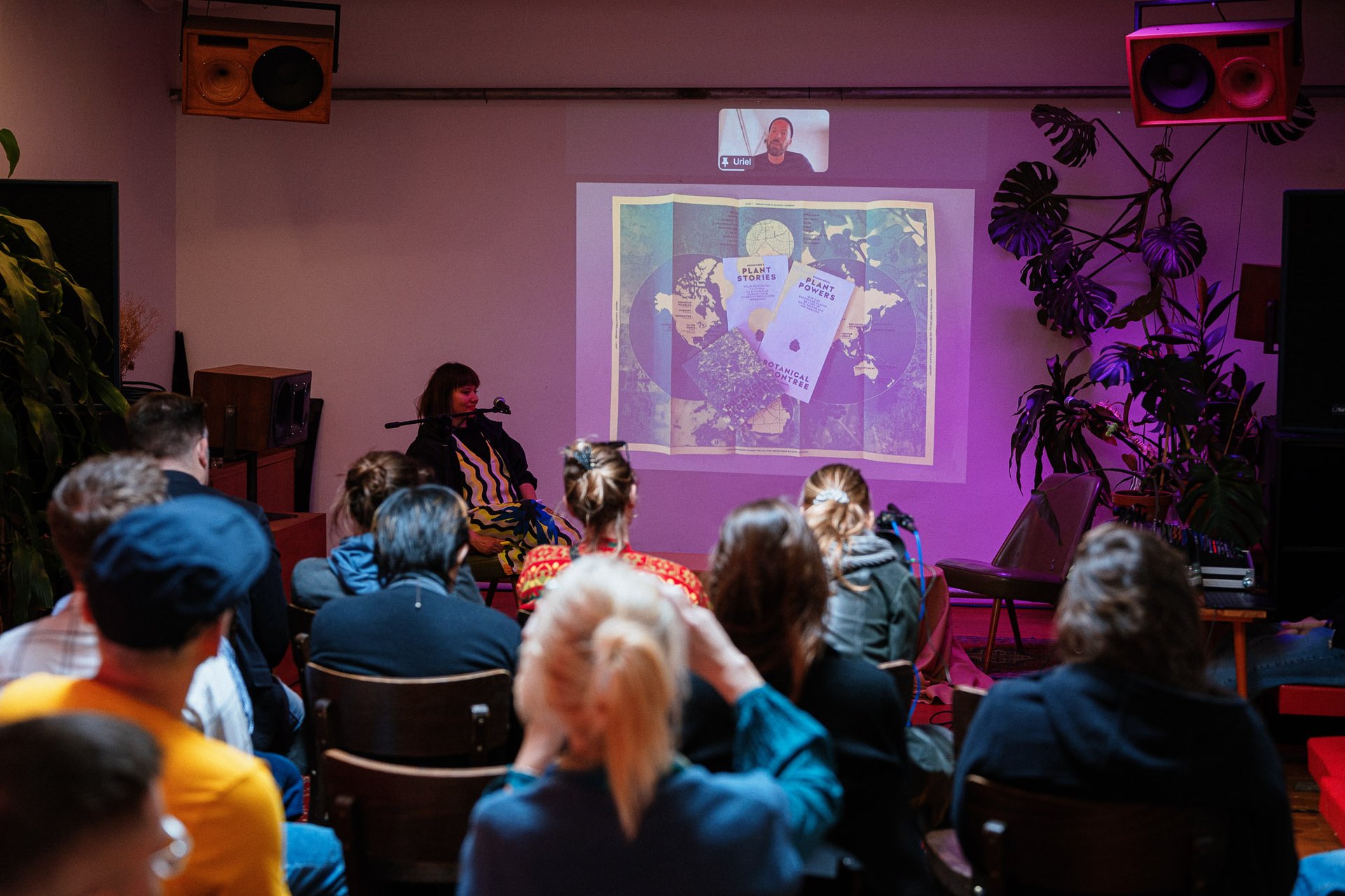
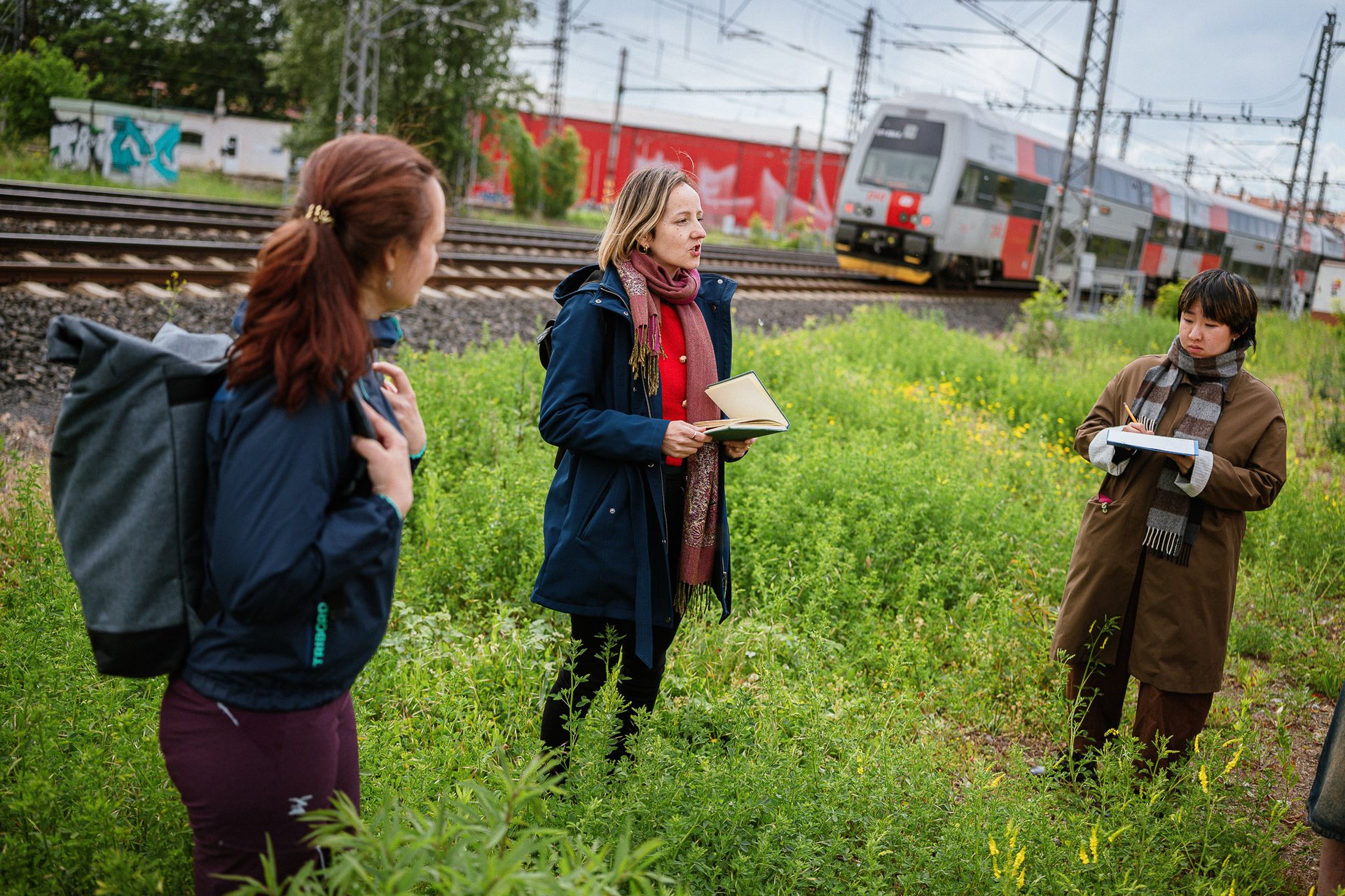
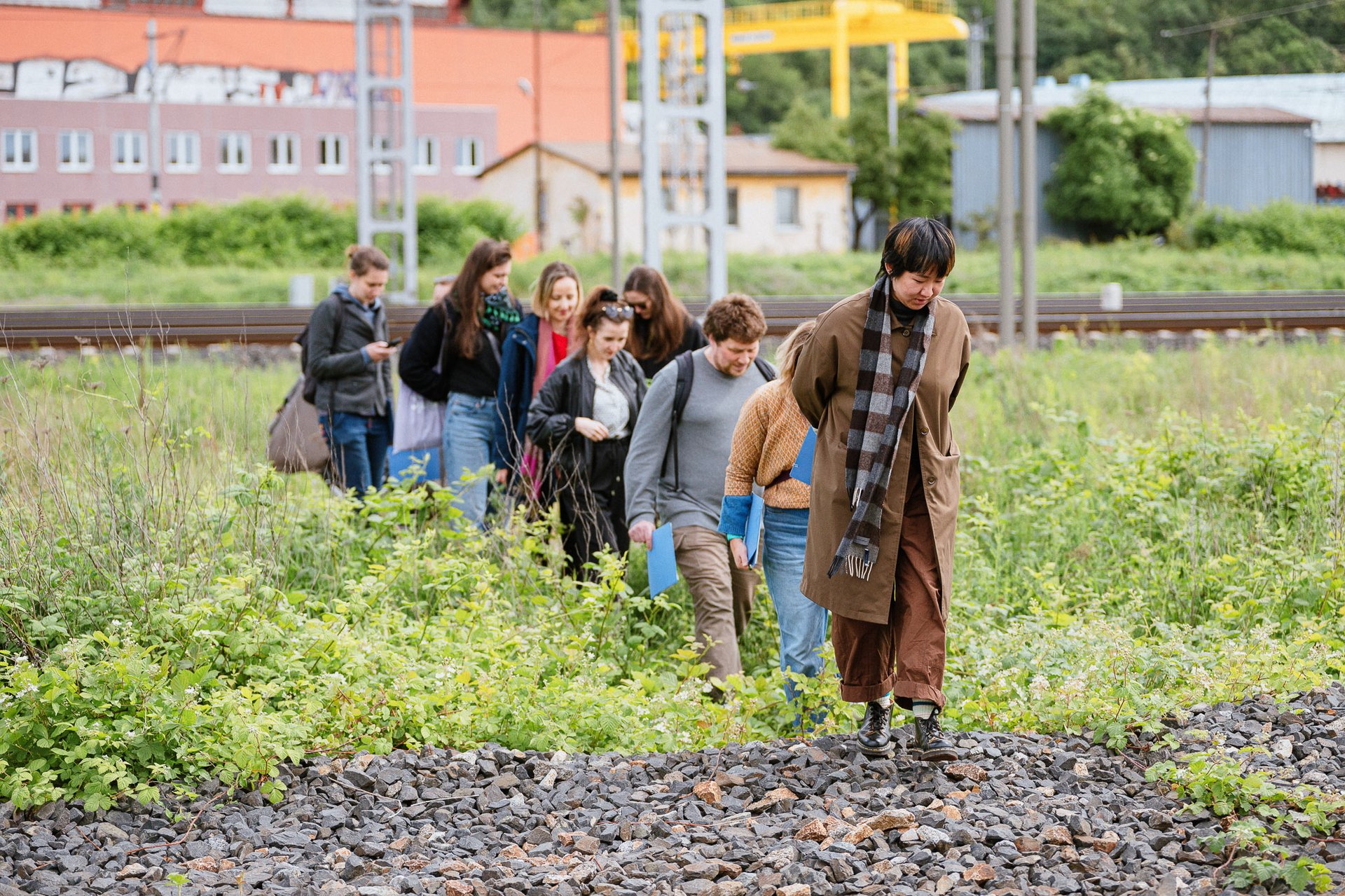
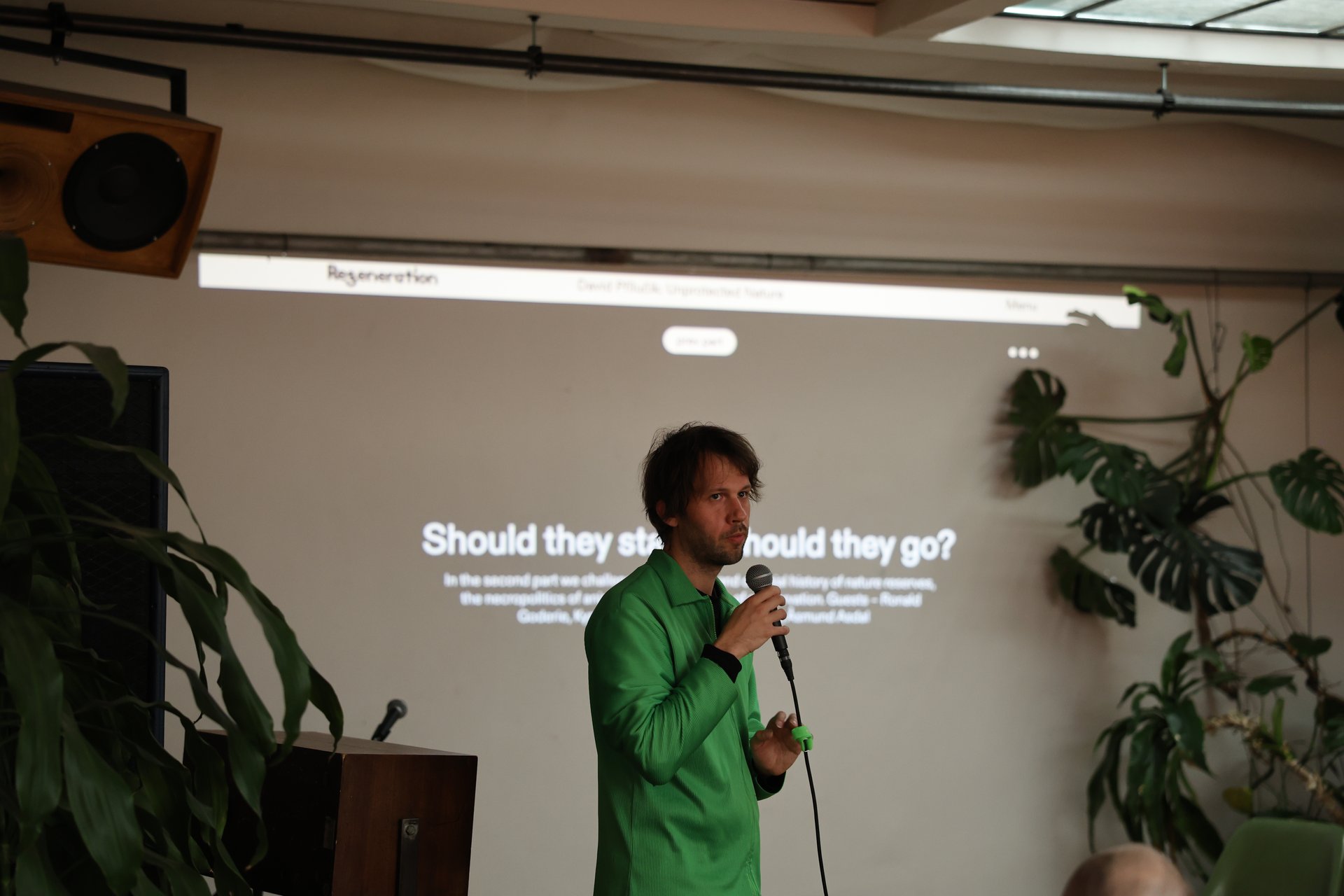
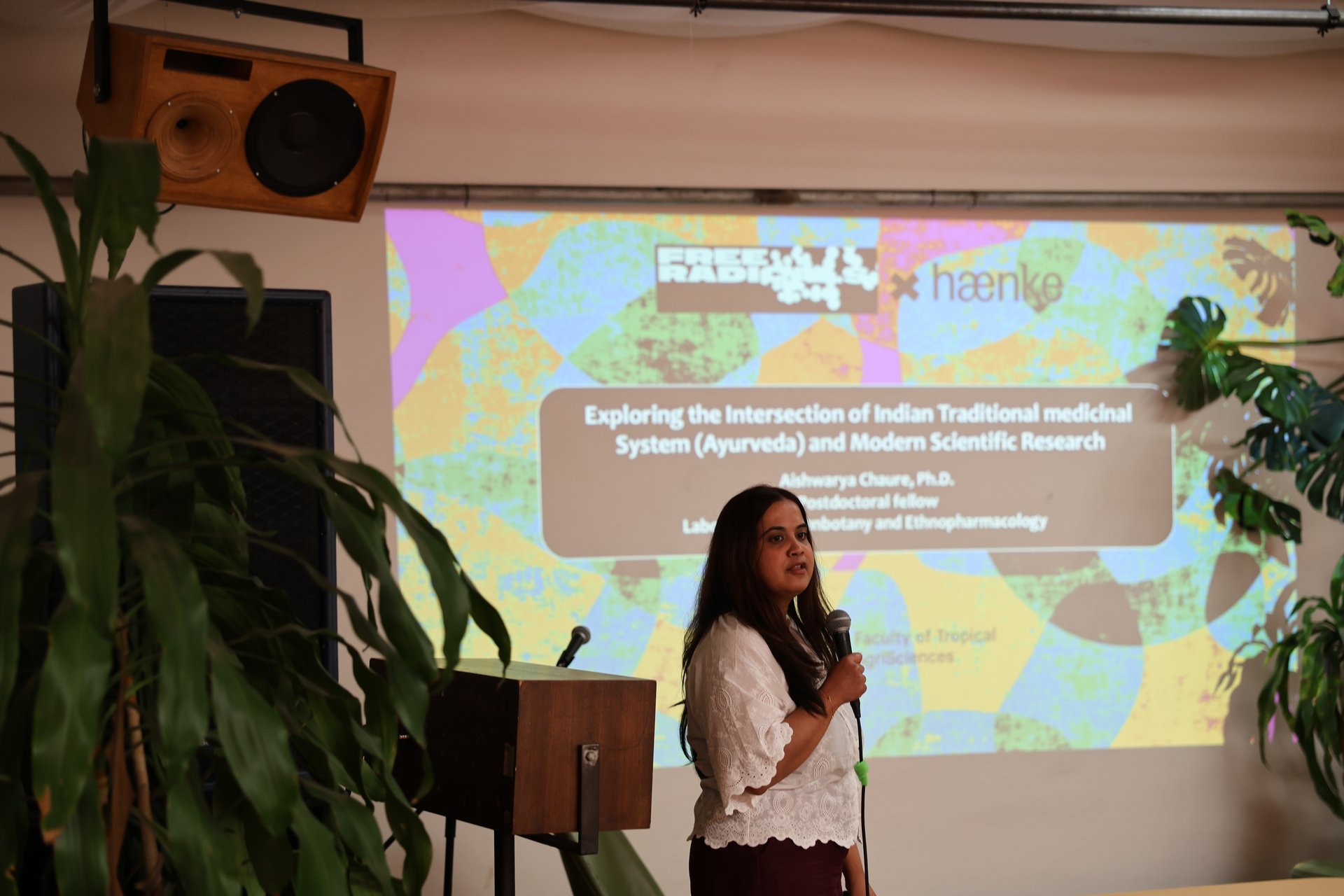
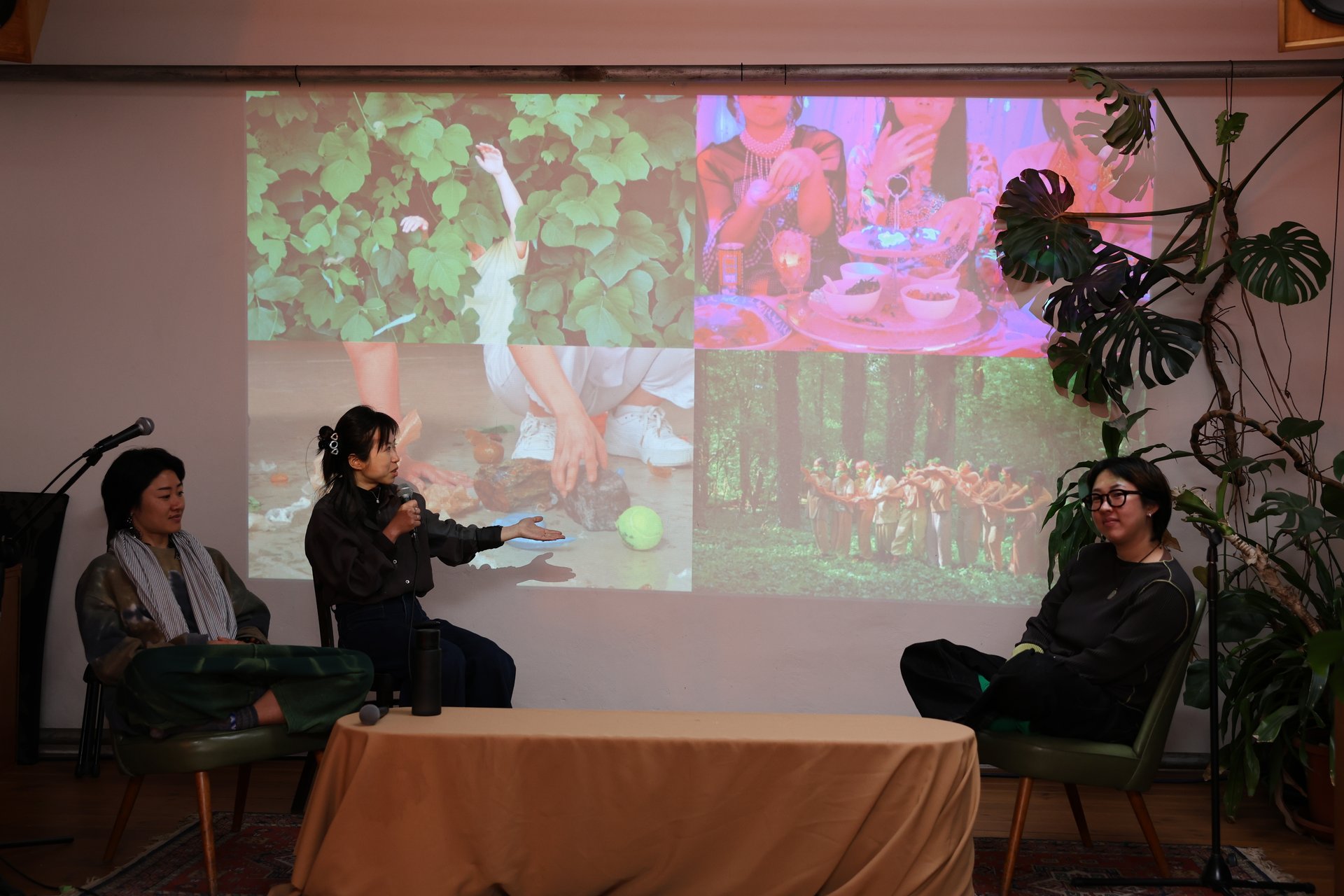
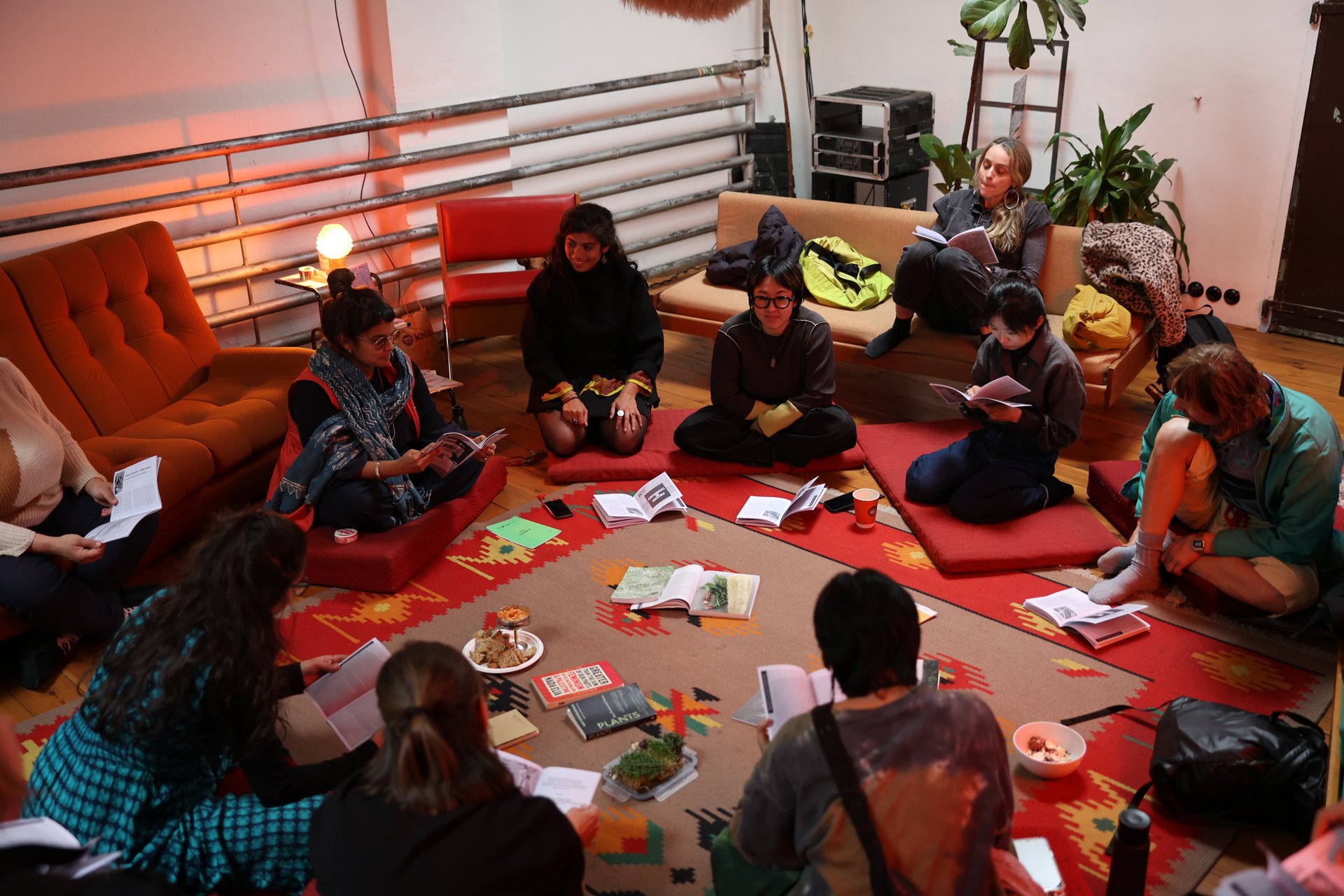
The Free Radicals symposium inaugurated a two-year European initiative of the same name, unfolding through a network of artistic residencies in the rural landscapes of Spain, Portugal, and Armenia; experimental living labs in Berlin and Budapest; and a series of online conversations bridging art, science, and ecology.
Culminating in 2026 with an exhibition in Lisbon and the release of the Free Radicals Toolkit, the project proposes a set of tools for cultural and artistic practice aimed at embedding multispecies care, ecological justice, and new relational modes with plants as co-agents in the shared metabolism of life on Earth.
Foregrounding the overlooked presence of the vegetal, Free Radicals borrows its title from a term in medicine describing metabolic by-products — entities deemed unstable, excessive, or difficult to contain. Similarly, plants and plant matter are often treated as marginal, unruly, or economically irrelevant. The project reclaims these “radicals” as potential sites of renewal, resistance, and imagination.
Conceived by Haenke, a cultural laboratory that for nearly a decade has cultivated intersections between botany, art, and science, Free Radicals is co-funded by the European Union through the Creative Europe programme, with additional support from the Goethe-Institut Prag and Instituto Cervantes Praga.
photos by: (c) Jan Hromádko, Adriána Vančová, Jan Hladoník.
Guest speakers
Julien Antih is a French ethnobotanist and ethnopharmacologist with a background in pharmacy and medical plant research. He obtained his PharmD from the University of Lorraine in Nancy, followed
by a Master of Research in Drug Discovery
at University College London. In 2024, he completed his PhD at the Czech University of Life Sciences
in Prague, focusing on the antimicrobial properties
of essential oil vapours and their potential applications in respiratory health.
Currently, he serves as an Assistant Professor at
the Faculty of Pharmacy, Université de Montpellier, where he is also affiliated with the QualiSud research unit. His research integrates traditional medicinal knowledge with contemporary scientific methods
to explore the health effects of natural bioactives, including essential oils and fermented products.
His research experience spans a wide range
of topics, from investigating traditional medicinal practices among the Bolivian diaspora in Barcelona, to co-designing a clinical study that explores
the potential of essential oil vapours to improve
the wellbeing of hospital patients and staff.
He is particularly interested in how traditional knowledge and scientific research can come together to develop new strategies for health,
care, and environmental awareness.
Kenza Benabderrazik is a researcher focusing
on the interplays between socio-ecological dynamics within agrifood systems. In both her teaching
and research, she employs decolonial and feminist approaches, exploring political ecologies and alternative governance structures. She currently teaches in the Sustainable Agroecosystems Group at the Swiss Federal Institute of Technology (ETH)
in Zürich and coordinates scientific outreach projects related to food security and agroecology.
Her work involves creating spaces and fostering dialogue between scientists, artists, and diverse actors engaged in transforming food systems. Previously, she worked as an environmental engineer, consulting on environmental impact assessments, circular economy, waste management, and resource efficiency in projects based in Tunisia, Morocco,
and Switzerland.
Tara Lasrado is a producer and organiser interested in collective and experimental works, and their process. since co-founding arvae in 2020 she has been cultivating art x science x community collaborations that question practices of transdisciplinary exchange and production(s). arvae is in an ongoing collaboration with SAE Greenhouse Art-Lab, centering decolonial feminist perspectives on agroecology. tara is also a member of experi_theater and with the fields.
Denise Bianco is a Ph.D. Candidate and Associate Lecturer at Central Saint Martins, University
of the Arts London. Her research focuses
on the evolving relationship between artists
and STEM professionals as a model for transdisciplinary collaboration. She analyses
how both discipline-specific and emerging competencies contribute to effective teamwork.
In her work, Denise explores barriers to collaboration and maps the competencies needed to overcome these challenges, contributing to the broader discourse on how cross-disciplinary efforts can address complex issues.
Hanna Grześkiewicz is a curator, artist and researcher working with sound and words. Her artistic practice is centred on the relationship of art with social movements, listening, and sonic fictions. She works in collective, participatory, and public settings, which comes out of her engagement with queer-feminist, migrant, and anti-capitalist movements. She was the discourse curator for the IMPULS Festival 2022-23 and is a founding member of the SONIC TOMORROW collective, with which she co-curated the festival ‘Situated Ecologies’ at Floating University in Berlin. She regularly produces work for radio and co-created the show morning stories on Warsaw’s Radio Kapitał. She was part of transmediale festival’s 2022 research group, and has presented her work at the Akademie der Künste (Berlin), CTM Festival (Berlin), Sanatorium of Sound (Poland), Gaudeamus Festival (Netherlands), CENSE – Central European Network for Sonic Ecologies, and others.
Artist and researcher from Brazil, Marina Guzzo concentrates her creations at the interface of the body and the landscape, mixing dance, performance and circus when tensioning the limits of subjectivity in cities and in nature. Since 2011, the climate crisis and the role of the artist in the production of imagery for crossing a ruined world on the Anthropocene have been at the center of her research. She works in partnership with health, culture and social assistance equipment, thinking of art as a political action that weaves a complex network of people, institutions, objects and nature. The artist has a post-doctorate from the Department of Performing Arts at ECA-USP and a master's and doctorate in Social Psychology from PUC-SP. She is an Adjunct Professor at Unifesp at the Baixada Santista Campus, a researcher at the Corpo e Arte Laboratory in the Society and Health Institute.
Yasemin Keskintepe is a curator and researcher exploring the politics and poetics of digital technologies in contemporary art and exhibition practices. A PhD candidate at the University of Potsdam, she is also part of Humboldt University’s research centre The Technical Image. She co-curated the discourse programme for transmediale 2024 entitled You’re Doing Amazing Sweetie, the Hybrid Biennale 2022 at Hellerau in Dresden, and Impakt Festival 2018 in Utrecht. Previously, she curated the exhibition Artificial Intelligence at the German Hygiene Museum in Dresden, and co-curated Open Codes at ZKM | Centre for Art and Media Karlsruhe.
Beatriz Manteigas is a Portuguese visual artist born in 1990. She completed her PhD in Drawing at the University of Lisbon in 2022, and holds an MFA in Artistic Anatomy and a BA in Painting. Since 2009, she has exhibited her work nationally and internationally. In 2016, she co-founded Associação Quinta das Relvas, an ecological farm where she is president and coordinates the Arts Department. She is also a collaborating researcher at CIEBA – Center for Research and Studies in Fine Arts, University of Lisbon.
Antonio Trindade graduated in Tourism Management from Escola Superior de Hotelaria do Estoril, with extensive experience in international events, including Boom Festival (2008-2022). Passionate about bioconstruction and Permaculture, he became a Certified Permaculture Trainer by IPEC in 2025. He holds two Permaculture Design Courses, the latest from the Global Ecovillage Network (2022). Involved in associative movements since 2002, he co-founded Associação Quinta das Relvas in 2016, where he is vice president and coordinates sustainability and international departments.
Branca Novoneyra is the Artistic Director of
Fundación Uxío Novoneyra, a Galician writer, dancer, and choreographer. She holds a degree in Political Science from the University of Santiago de Compostela, a Master's in Publishing (UOC), and
a Diploma of Advanced Studies in Artistic Education from the University of Fine Arts of Granada.
Since 2002, she has worked as a dancer, collaborating with poets, video artists, and musicians in various artistic collectives. She has published works on the history and critique of dance in specialized journals, along with poetry collections such as “Dentro do labirinto” (2009), “Cristal escuro” (2012), and “As cunchas baleiras” (2023).
In the 2015 municipal elections, she was elected Deputy Mayor for Culture of Santiago de Compostela for Compostela Aberta, serving as the city’s councilor for two terms, the last one in opposition.
Uxío Novo Rey is a sociologist and cultural strategist with expertise in territorial studies, European policy, and cultural management. He holds a Bachelor's degree in Political Science from the University
of Santiago de Compostela, a Diplôme d'Études Approfondies (DEA) in Sociology, and a Master's
in European Union and European Funds Management from the University of A Coruña. He is the Founder Secretary of Fundación Uxío Novoneyra and has played a key role in initiatives such as Ferrol’s UNESCO World Heritage candidacy.
He serves on the board of the Praza Pública Foundation and the Spanish Network of Cultural Centres (ACAMFE), and is an active member
of ICOMOS Spain, Europeana, and the international creative network B.Creative. As a consultant, advisor,
and co-director, he has contributed to numerous cultural and governmental projects throughout
Galicia and beyond.
Uriel Orlow is a Swiss-born artist with a diasporic background who lives and works between Lisbon, London and Zurich. His work has been presented
at major international survey exhibitions including
at the 54th Venice Biennale, Manifesta 9 and 12 in Genk and Palermo as well as at biennials in Berlin, Dakar, Kochi, Taipei, Sharjah, Moscow, Kathmandu, Guatemala, Dunkerque and many others. In 2023 he received the Swiss Grand Prix for
Art / Prix Meret Oppenheim. In 2020 Orlow received the CF Meyer Prize and in 2017 he received
a Sharjah Biennial Prize. He also received a City
of Zurich Award in 2015 and three Swiss Art Awards at Art Basel.
His work has been shown widely in museums, galleries, film festivals and exhibitions in London, Lisbon, Zurich, Geneva, St Gallen, Athens, Jerusalem, Ramallah, Madrid, Marseille, Paris, Oslo, Dublin Turin, Cairo, Istanbul, Mexiko-City, Bejing,
New York, Chicago, Toronto, Melbourne, New Delhi and elsewhere. Recent publications include Forest Times (K. Verlag), Conversing
with Leaves (Archive Books), Soil Affinities (Shelter Press) and Theatrum Botanicum (Sternberg Press). Uriel Orlow teaches at University of the Arts, Zurich (ZHdK) and at University of Westminster, London as well as at Maumaus ISP, Lisbon.
Orlow's practice is research-based, process-oriented and often in dialogue with other disciplines and people. Projects engage with residues of colonialism, spatial manifestations of memory, social and ecological justice and plants as political actors.
His multi-media installations focus on specific locations, micro-histories and forms of haunting. Working across installation, photography, film, drawing and sound his works bring different image-regimes and narrative modes into correspondence.
Gaja Mežnarić Osole is an eco-social designer and co-founder of Trajna Association, dedicated to landscape justice through engaging with feral ecologies and ‘invasive’ plants. She co-initiated Notweed Paper, a sustainable paper made from Japanese knotweed, and co-founded Krater, an 18,000 m² former construction site in Ljubljana transformed into a feral ecosystem. At Krater, she develops urgent pedagogies and public programming to reconnect multispecies communities across genders, professions, and places while working to protect the precarious feral land from being built over.
Ivana Papić is a Croatian multimedia artist-researcher and educator based in Berlin. Using photography, video, sound, and objects, she creates poetic installations that encourage audience interaction. Since 2021, her artistic research has focused on invasive plants and urban ecology within larger socio-environmental narratives. Papić’s work has been shown internationally, including in European cities and Peru, and she has collaborated with universities, NGOs, and local communities through lectures and artistic and speculative design workshops. She received the winning award at the 21st Festival of the First:(In)visible Women group exhibition in Zagreb in 2023 and was awarded the Culture Moves Europe grant for a two-month residency at the Krater in Ljubljana in 2024. Papić holds MAs in restoration (University of Split, 2011) and Art in Context (Universität der Künste Berlin, 2022). At the Udk -Universität der Künste Berlin, she is a member of the Klasse Klima collective, where she teaches as part of the Studium Planetare project advocating for climate justice and feminist discourses, and is currently a guest lecturer at the Institute for Art in Context.
Lilit Stepanyan is an artist, curator, and cultural manager based in Armenia. She is a co-founder of the platform Today Art Initiative, which focuses on supporting contemporary art, preserving traditional knowledge, and fostering intergenerational dialogue in the context of rural Armenia. Her work combines a community-oriented approach with environmental themes and cultural research. She is involved in organising international residency programmes, exhibitions, and projects at the intersection of art, ecology, and education.
Bálint Antal has been a project manager at PP Green for two years. During this time he managed multiple small and large scale projects alike. What he enjoys most about his work is that at PP Green, they strive to bring the fields of culture and sustainability closer together while also offering a platform to the artists and experts involved in our projects and helping our environment and the communities involved. In his projects, he tries to build on the experiences he gained in his personal life and in his artistic adventures, so a do-it-yourself attitude and a community-centered, participatory approach are particularly important to him.
Fruzsina Dézsi is a writer and the pillar leader of PP Green. Thanks to her vast experience in the fields of culture, theatre, literature, and sustainability, she made PP Green into one of the leading pillars of Pro Progressione. While she’s responsible for leading the pillar, she also leads her own projects, including the flagship project of PP Green, called The Big Green.