
01:33:53
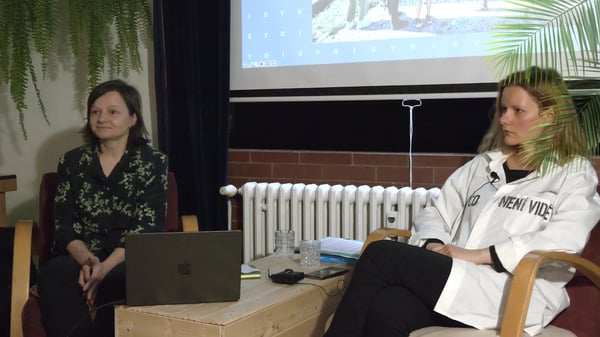
The art lessons to be held at Karlin Studios are a little unconventional and will likely produce slightly different results. Individual classes will be taught by artists who will proceed according to their own lesson plans. The gallery features a classroom that is equipped with basic necessities such as benches, boards, a podium, and several decorative elements. The layout of the room establishes the key relationship between the instructor and the students– a reciprocal hierarchy that often precludes equal discussion. The classes’curriculum and instructional style will not be based on fixed lessons taken from art textbooks, but will instead be original projects closely tied to the individual artists and their working method. In this way the classes will function as an attempt at creating at least a short-term meeting place for artists and audiences.Originally, the eleventh Jesper Alvaer art class was to have included a lecture by Isabela Grosseová on art and its regional presentation, but in the end the class was used for a slapstick situation involving a kind of mass psychosis among the participants.
| artists | Jesper Alvaer |
| curators | Eva Koťátková |
| place | Karlin Studios |
| tags | |
| cast | Jesper Alvaer |
| camera | Jan Vidlička |
| sound | Jan Vidlička |
| editing | Jan Vidlička |
| category | Reports |
| published | 19. 4. 2008 |
| language | Česky / English |
| embed |  |


